Radiology Technician classes near me in Colorado Springs
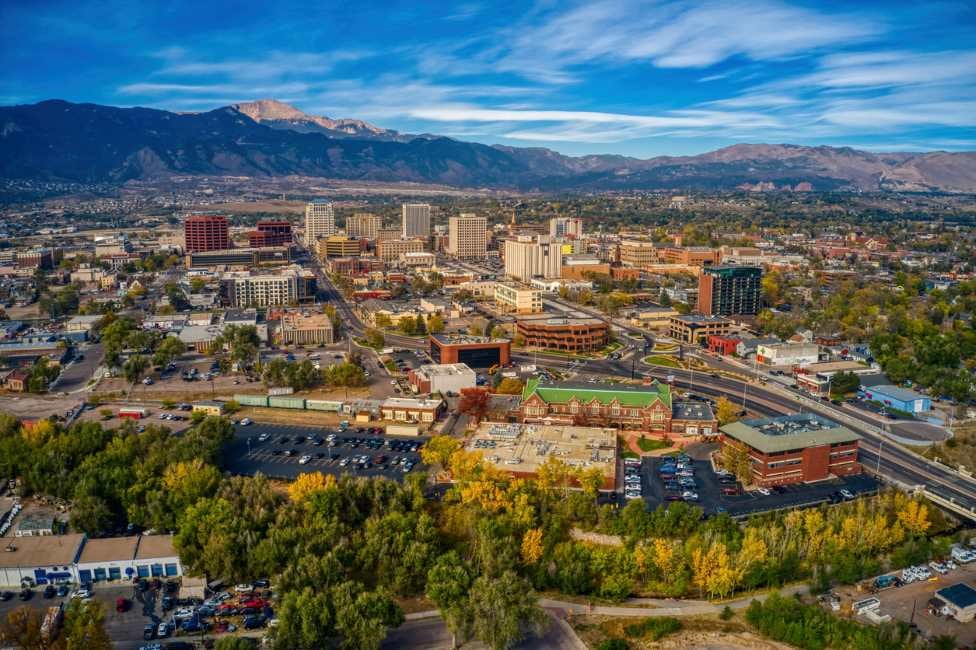
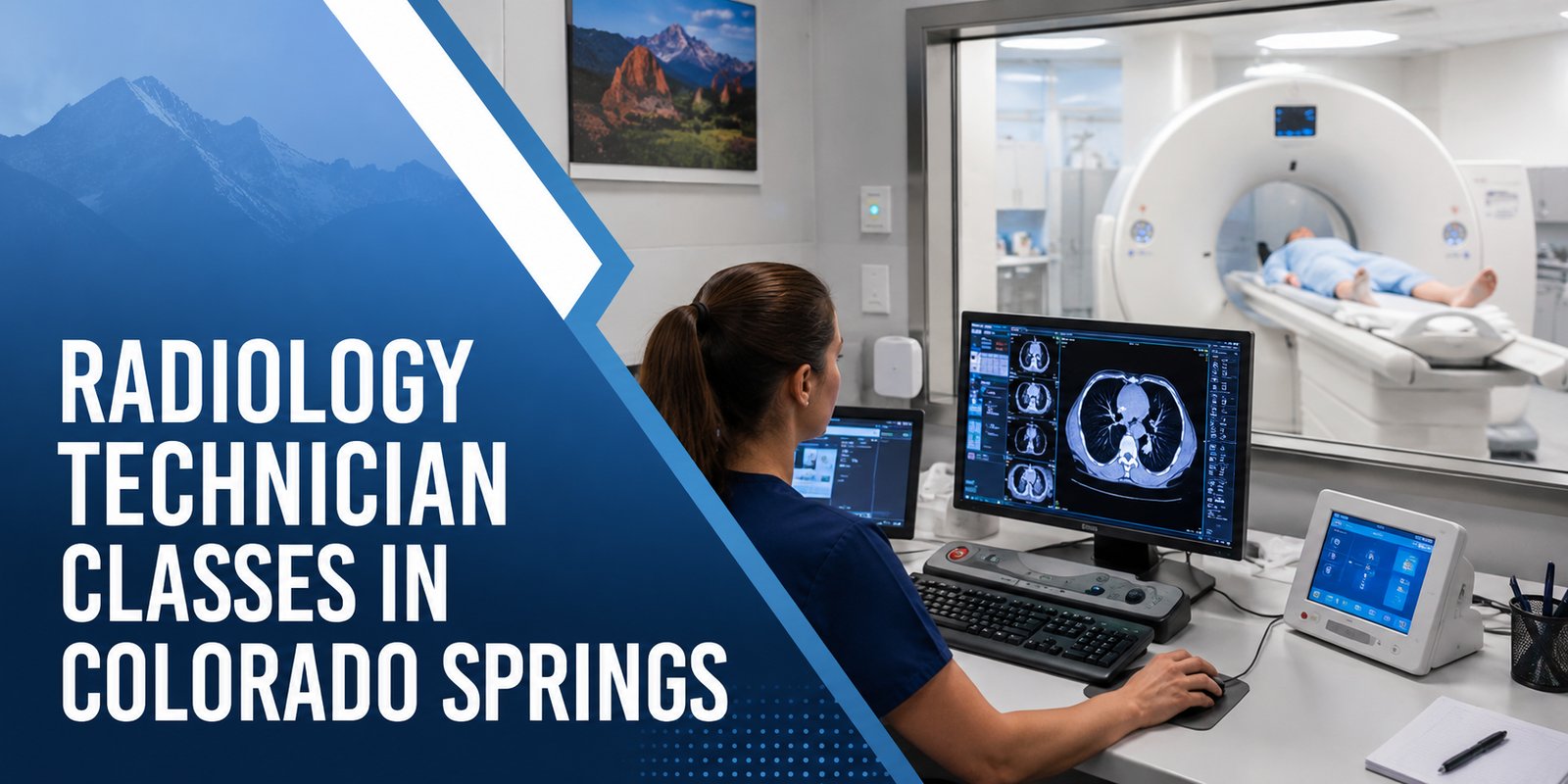
Radiology technician training in Colorado Springs runs through a small set of accredited college programs, with clinical rotations at UCHealth Memorial Hospital. The path to a full radiologic technologist career is the standard one: finish an accredited associate degree, pass the national ARRT exam, then start working. One local detail is worth knowing up front. Colorado does not license radiologic technologists, so once you hold ARRT certification, no state card or fee stands between you and the job.
Key Points
- A short list of accredited college programs anchors radiography training in Colorado Springs, with clinical rotations at Memorial Hospital.
- The full path is an accredited associate degree, the ARRT exam, then 24 continuing education credits every two years to stay certified.
- Colorado does not license radiologic technologists, though limited-scope X-ray operators must register with the state for $61.
- A full associate degree takes about two years; a limited-scope X-ray credential takes months but covers only a short list of exams.
- Radiologic technologists in Colorado earn a median of $87,760 a year, with 4% growth projected through 2034.
Radiology Tech Programs In and Near Colorado Springs
Two schools anchor radiography training in Colorado Springs. Pikes Peak State College offers a 23-month Associate of Applied Science in Radiologic Technology, and UCCS runs a bachelor's route built in partnership with Memorial Hospital, where much of the region's clinical training happens. A third accredited program sits in Pueblo, about 45 miles south, which is worth a look if local seats fill.
These programs are small and admission is competitive, so the students who get in have usually finished their prerequisites first, courses like anatomy and physiology, algebra, and medical terminology, with strong grades. If you do not land a seat in one cycle, knocking out those prerequisites or starting on the limited-scope route are practical ways to stay on track and reapply.
Start dates and accreditation status change, so it helps to check any program against the JRCERT directory before you apply. Dreambound keeps a running list of radiology technician classes near you as new cohorts open.
Full Radiologic Technologist vs Limited-Scope X-Ray Operator
Not every program labeled "radiology technician" leads to the same job, and the difference matters before you pay tuition. A full radiologic technologist trains on every imaging area and can move into CT, MRI, or mammography later. A limited-scope X-ray operator trains on a shorter list, such as chest, spine, and extremities, and cannot do contrast studies, fluoroscopy, CT, or mammography.
| Factor | Full radiologic technologist | Limited-scope X-ray operator |
|---|---|---|
| Training | Accredited associate degree, about 2 years | About 80 classroom hours plus clinicals |
| Exam | ARRT Radiography | ARRT Limited Scope |
| Colorado rule | No state license required | Must register with the state ($61) |
| Scope | All imaging, with room to specialize | A set list of routine X-rays only |
Many fast or online "radiology technician" courses actually prepare you for the limited-scope exam, not full radiography. If your goal is the full career and the higher pay, check that a program is JRCERT-accredited and prepares you for the ARRT Radiography exam. If you need to start sooner or keep working, limited scope is a legitimate on-ramp. CCI Training Center's online program is one route open to Colorado Springs students, running about eight months of online coursework paired with local clinical rotations to prepare you for the ARRT Limited Scope exam, and it sits alongside other online radiology technician classes you can line up on Dreambound.
How Long It Takes and What It Costs
A full radiography program takes about two years, and it is effectively full-time. Clinical rotations run during weekday hospital hours, so most students cut back to part-time work while enrolled. If you need to keep working full-time, the shorter limited-scope route is the more realistic option.
Cost depends on the school. In-state tuition at a Colorado community college runs about $175 per credit hour after the state's COF stipend, plus roughly $17 per credit in fees (2025-26). A two-year associate of about 70 to 75 credits works out to around $13,000 to $15,000 in tuition and fees, which financial aid, and sometimes hospital tuition support, can bring down. Private-school programs cost more, and the cheapest and fastest radiology technician programs tend to be the community-college and limited-scope routes. Budget for the extras too: the ARRT exam is $225, on top of a background check, uniforms, and supplies.
Do You Need a License in Colorado?
No. Colorado does not license or register radiologic technologists who hold national ARRT certification. The state health department, CDPHE, confirms that separate state licensure is not required for nationally certified techs. Most states do license, so Colorado techs skip a step and a fee their peers elsewhere cannot.
The exception is limited scope. Limited-scope X-ray operators, along with specialty operators in fluoroscopy or mammography, do register with CDPHE and pay a $61 application fee. So the license question comes down to which route you take: full ARRT radiography needs no state card, while limited scope does.
Radiologic Technologist Pay in Colorado Springs
Radiologic technologists in Colorado earn a median of $87,760 a year, or $42.19 an hour, as of May 2025, above the national median. Pay climbs with experience and with specialties like CT, MRI, and mammography, which is the main reason full radiography out-earns the limited-scope route over a career.
The field is projected to grow 4% from 2024 to 2034. In Colorado Springs, hiring is anchored by large employers such as UCHealth Memorial Hospital, CommonSpirit Penrose-St. Francis, and Children's Hospital Colorado, along with imaging centers and specialty practices around the region.
How to Become a Radiology Tech in Colorado Springs
The path from student to working radiologic technologist follows four steps:
- Finish an accredited program. Complete a JRCERT-accredited associate degree in radiologic technology, including the clinical rotations.
- Pass the ARRT exam. Apply through the ARRT Primary Pathway, which costs $225 and allows up to three attempts within three years. A scaled score of 75 passes.
- Start working. Colorado requires no state license for ARRT-certified techs, so you can begin applying as soon as you are certified.
- Keep your certification current. ARRT requires 24 continuing education credits every two years.
If you take the limited-scope route instead, the steps are similar but shorter, and you register with CDPHE rather than skip the state step.
Frequently Asked Questions
How long does it take to become a radiology tech in Colorado?
About two years for full radiography, through an accredited associate-degree program with clinical rotations. Because of the clinical schedule, these programs are effectively full-time.
Do you need a license to be an X-ray tech in Colorado?
Not for full radiologic technologists. Colorado does not license techs who hold national ARRT certification. Limited-scope X-ray operators are the exception and must register with the state for $61.
Who gets paid more, an MRI tech or a radiology tech?
MRI technologists tend to earn more. MRI is one of the higher-paying imaging specialties, and many radiologic technologists cross-train into MRI or CT to raise their pay after starting in general radiography.
How fast can you become a radiology technician?
The fastest route to imaging work is a limited-scope X-ray credential, which can take only a few months. It qualifies you for a set list of routine X-rays, so it fits best if you want to start quickly rather than move into CT or MRI later.
What radiology tech programs are in Colorado Springs?
Colorado Springs has a small set of accredited programs, with clinical rotations at Memorial Hospital and another program in Pueblo to the south. Because openings and start dates shift each cycle, the JRCERT directory is the best place to check current status.
Planning Your Radiology Tech Path in Colorado Springs
The biggest decision in Colorado Springs is not where to apply first, it is which route you actually want. Full radiography takes about two years, needs no Colorado license, and pays a median of $87,760, with room to grow into CT and MRI. Limited scope gets you working sooner but stops at routine X-rays.
Once you have picked your route, sort radiology programs on Dreambound by length, format, and start date, and check any program against the JRCERT directory before you apply.