Respiratory Therapist schools near me in Colorado Springs
Introduction
Embarking on a career as a Respiratory Therapist in Colorado Springs is an excellent choice. Respiratory Therapists are crucial members of the healthcare team, providing critical care and support for patients with respiratory illnesses. But before you begin this rewarding career, you first need to find the right training and education.
Dreambound is a comprehensive platform that helps students like you find the perfect vocational training program in allied health or industrial trades. This article will guide you on your journey to becoming a Respiratory Therapist in Colorado Springs.
What is a Respiratory Therapist?
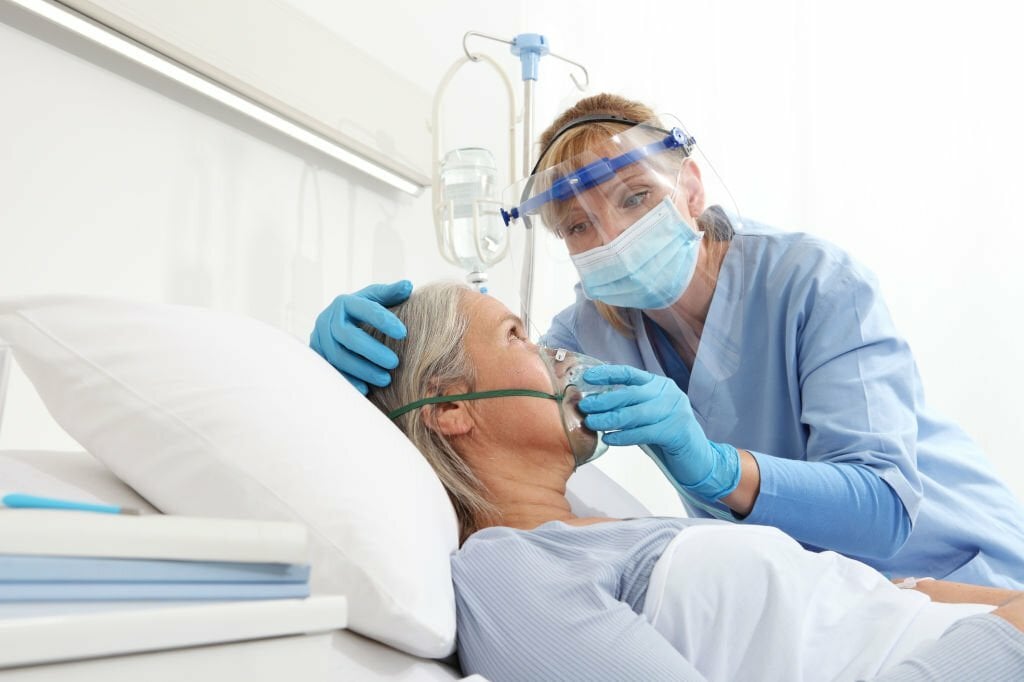
A Respiratory Therapist is a specialized healthcare professional trained in pulmonary medicine. They work with patients of all ages, from newborns with breathing difficulties to elderly patients with chronic respiratory diseases. Their job involves analyzing and implementing therapeutic procedures, managing ventilators and artificial airway devices, responding to cardiopulmonary arrests, and educating patients about their conditions.
Training Requirements
To become a Respiratory Therapist, specific training requirements must be met:
-
Diploma or Associate Degree: You should have a minimum of an associate degree from an accredited respiratory therapy education program. The degree program includes both coursework and clinical training in respiratory care.
-
Licensure: After completing your education, you need to pass a national exam to become a Certified Respiratory Therapist (CRT). In Colorado, you must also obtain licensure to practice as a Respiratory Therapist.
-
Certification: Some respiratory therapists choose to pursue additional certifications, such as the Registered Respiratory Therapist (RRT) credential, which may open up more job opportunities.
What to Look for in a Class
Choosing the right class is crucial. Here are some factors to consider:
-
Accreditation: Ensure the program is accredited by the Commission on Accreditation for Respiratory Care (CoARC). Accreditation guarantees that the program meets the minimum standards of quality.
-
Clinical Experience: Look for programs that offer substantial clinical experience. This practical experience is invaluable in preparing you for the realities of the job.
-
Pass Rate: Consider the program's pass rate for the CRT exam. A high pass rate indicates that the program effectively prepares its students for the exam.
What to Expect from the Day-to-Day Class
As a student in a Respiratory Therapist class, you can expect a combination of classroom instruction, laboratory work, and clinical experience. Topics typically covered include:
-
Anatomy and Physiology
-
Pathophysiology
-
Respiratory Care Procedures
-
Mechanical Ventilation
-
Neonatal and Pediatric Respiratory Care
-
Cardiopulmonary Evaluation
-
Respiratory Health Promotion and Disease Prevention
What Does the Certification Process Look Like?
The certification process for respiratory therapists involves passing the CRT exam administered by the National Board for Respiratory Care (NBRC). After passing the exam, you can apply for licensure in Colorado through the Colorado Department of Regulatory Agencies.
How to Find Related Jobs
There are numerous resources to help you find related jobs. Networking with classmates, professors, and clinical supervisors can provide valuable job leads. Also, the American Association for Respiratory Care has a job board for its members. Additionally, you can check job listings on healthcare-specific job sites or general job search engines.
What Other Classes Can Someone Take After Becoming a Respiratory Therapist?
After becoming a Respiratory Therapist, you may want to further your education or specialize in a specific area. Some related classes or programs you could consider include:
-
Pediatric Advanced Life Support (PALS)
-
Neonatal Resuscitation Program (NRP)
-
Critical Care Transport
-
Sleep Medicine
Additional Topics
Continuing Education
Continuing education is a requirement for maintaining your Respiratory Therapist license in Colorado. It ensures that you stay updated with the latest advances in respiratory care.
Networking and Professional Associations
Joining professional associations such as the American Association for Respiratory Care (AARC) or the Colorado Society for Respiratory Care can provide opportunities for networking, continuing education, and career advancement.
Specialization
As a Respiratory Therapist, you can choose to specialize in areas such as neonatal/pediatric care, sleep medicine, or pulmonary rehabilitation. Specializing can enhance your skills and increase your job opportunities.
Career Advancement
With experience and additional education, you can advance in your career as a Respiratory Therapist. You could become a supervisor or manager, a respiratory therapy educator, or even a researcher.
Final Thoughts
Becoming a Respiratory Therapist in Colorado Springs is a journey that requires dedication, hard work, and a passion for helping others. Remember, choosing the right class is the first step in this rewarding career. Dreambound is here to help you find the perfect class that suits your needs and career goals.
If you're considering pursuing this certification in a different location, we have other in-depth guides to help. Check out our guides for different cities below:
- How to Become a Respiratory Therapist in Florida
- How to Become a Respiratory Therapist in Indiana
- How to Become a Respiratory Therapist in Mississippi
- How to Become a Respiratory Therapist in Oklahoma
- How to Become a Respiratory Therapist in South Dakota
Are you exploring diverse professional opportunities? Take a closer look at these resources that Dreambound has written to help in your search.