How to Become a CNA in Massachusetts (2026)
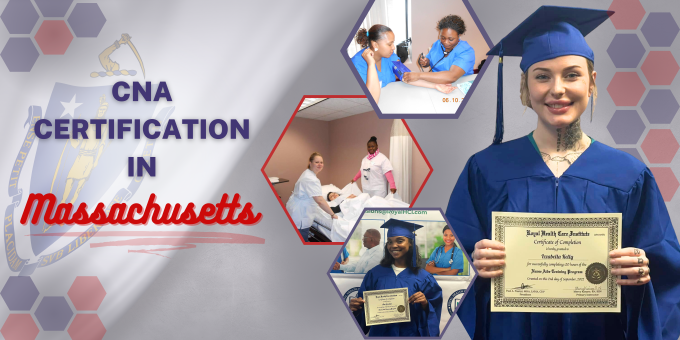

If you're ready to begin a rewarding career in healthcare, becoming a Certified Nursing Assistant (CNA) in Massachusetts is one of the fastest ways to get started. CNAs are the backbone of patient care, working directly with nurses and patients in hospitals, nursing homes, and long-term care facilities.
According to the Bureau of Labor Statistics, Nursing Assistants in Massachusetts earn an average of $46,130 per year, or about $22.18 per hour. With the state's strong healthcare network and aging population, the demand for CNAs continues to grow every year.
What Can I Do After Becoming a CNA?
In Massachusetts, Certified Nursing Assistants (CNAs) have various career advancement opportunities to explore. Some popular career advancements for CNAs in MA include:
-
Licensed Practical Nurse (LPN): Many CNAs choose to further their education to be LPNs! LPNs have extra responsibilities. They can administer medications, perform advanced nursing tasks, and more.
-
Registered Nurse (RN): Becoming an RN is a common path for CNAs to advance in the nursing profession. RNs have a higher level of education and training. This allows them to provide more complex medical care. They can supervise other healthcare professionals and pursue specialized areas of nursing.
-
Nurse Manager/Supervisor: CNAs can have roles such as nurse manager or supervisor. They oversee and coordinate the daily operations of nursing units or healthcare facilities. These positions involve leadership, decision-making, and administrative responsibilities.
-
Home Health Aide (HHA): Some CNAs transition into home health aide roles. Providing personal care and help to patients in their homes. HHAs work with patients who need long-term care or have specific medical needs.
-
Specialized Areas: CNAs can choose to specialize in specific areas of healthcare! You can choose from geriatrics, pediatrics, oncology, or critical care. This is perfect if you prefer providing specialized care to specific patient populations.
By gaining extra knowledge and experience, CNAs can propel their careers! It's important to note that career advancements may need training beyond CNA certification.
Frequently Asked Questions
How long does it take to become a CNA in MA?
Becoming a Certified Nursing Assistant in Massachusetts typically takes about 3 to 7 weeks, depending on whether you choose an accelerated or standard-paced program. All state-approved programs require a minimum of 75 hours of training.
How much are CNAs paid in Massachusetts?
As of May 2024, CNAs in Massachusetts earn an average annual salary of $46,130, which is about $22.18 per hour.
Do you need a license to be a CNA in Massachusetts?
Yes, to work as a CNA in Massachusetts, you must be certified and listed on the Massachusetts Nurse Aide Registry. This requires completing a state-approved training program and passing the state competency exam.
Can I take the CNA test without classes in Massachusetts?
No, you cannot take the CNA test in Massachusetts without first completing a state-approved Nurse Aide Training Program. Waivers may be granted to nursing students who have completed specific clinical coursework or to individuals who trained in another state.
How long can a CNA work without certification in Massachusetts?
A healthcare facility can employ a nurse aide who has completed training but not yet passed the competency exam for a maximum of 120 days (four months).
How many times can you take the CNA test in Massachusetts?
Candidates have four attempts to pass the knowledge test and three attempts to pass the skills test. If you do not pass within these attempts, you must complete a new state-approved training program to become eligible again.
Can I transfer my CNA license to Massachusetts?
Yes, if you hold an active CNA certification in good standing from another state, you can apply to transfer it to Massachusetts through a process called reciprocity. This involves an application and verification of your credentials.
Final Thoughts
It may seem like a long journey but believe in yourself and your abilities. You have the potential to achieve great things! Now you know the steps on how you can become a CNA in Massachusetts. We hope this guide has given you more guidance and clarity. Enjoy the process and celebrate your progress along the way!
Consider Dreambound as a valuable resource if you're thinking about getting started in this field. We've written many guides to help you:
- How Do I Renew My CNA License?
- CNA vs Phlebotomy
- How to Become a CNA in California
- Become a CNA in High School
Contemplating a transition in your career or exploring various professional paths? Dreambound has written many guides to help you in making informed decisions. Here are a few:

Alyssa Jane is part of the customer success team at Dreambound. She works with students, training providers, and employers, helping them have a smooth customer journey. She is also an ESL tutor and Licensed Psychometrician. She is fond of traveling, photography, and discovering new restaurants.