$191 to start
$2,200 total
Financial aid (may be available)
$239 to start
$4,000 total
$242 to start
$4,000 total
$3,199 total
$650 total
$199 total
Anderson University in Indiana offers a specialized vocational school program focused on healthcare certifications, specifically in Sterile Compounding & IV Aseptic. The program equips students with the necessary skills and knowledge through a combination of theoretical and practical training. Students gain hands-on experience in a simulated healthcare environment, emphasizing safety protocols and quality standards. The program also emphasizes the importance of communication and teamwork in the healthcare field. With experienced faculty members providing guidance and support, Anderson University prepares students for successful careers in healthcare through a comprehensive and industry-focused curriculum.
$4,000 total
Our Sterile Processing Technician training program is designed with job readiness in mind! Through flexible online classes, you’ll learn the skills that are essential to being successful on the job while also preparing to sit for industry certification.
No cost info
A career as a Sterile Processing Technician represents a path to success in the fast-growing healthcare industry! As the healthcare field continues to grow, so does the need for Sterile Processing Technicians who prepare and provide the clean, sterile, properly functioning instruments used daily in surgeries and medical procedures. Sterile Processing Techs, also known as Central Sterile Processing Technicians, will have consistent job opportunities, they are essential to surgical centers and operating rooms all across the country and around the world. Surgical procedures that treat a vast number of health conditions are more prominent than ever. The increase in procedures has led to an equal increase in demand for the job skills of Sterile Processing Technicians.
$979 total
Our online Sterile Processing Technician Career Diploma can help students prepare for entry-level jobs as sterile processing technicians. Additionally, graduates have the opportunity to become industry certified by sitting for the Certified Registered Central Service Technician (CRCST) Certification exam offered by the Healthcare Sterile Processing Association (HSPA).
$899 total
The Sterile Compounding & IV Aseptic certification class offered by Americation Career & Training School is an online course that provides students with the knowledge and skills needed to become a certified sterile compounding technician. This class covers topics such as aseptic technique, USP 797 and USP 800, and the proper use of personal protective equipment. Upon completion of this course, students will receive a certification from Americation Career & Training School, located in New Jersey.
$1,200 total
Grand Rapids, Michigan, is a thriving city with a promising job market for Sterile Processing Technician professionals. As the second-largest city in the state, Grand Rapids has a growing healthcare industry that offers numerous opportunities for individuals looking to become Sterile Processing Technicians. With a competitive sterile processing technician salary and the ability to land sterile processing technician jobs, the city presents an attractive option for those seeking to begin or advance their careers in this field. Whether you're looking to become a Sterile Processing Technician or are interested in exploring the available classes near you in Grand Rapids, this blog post will provide you with the information you need to get started.
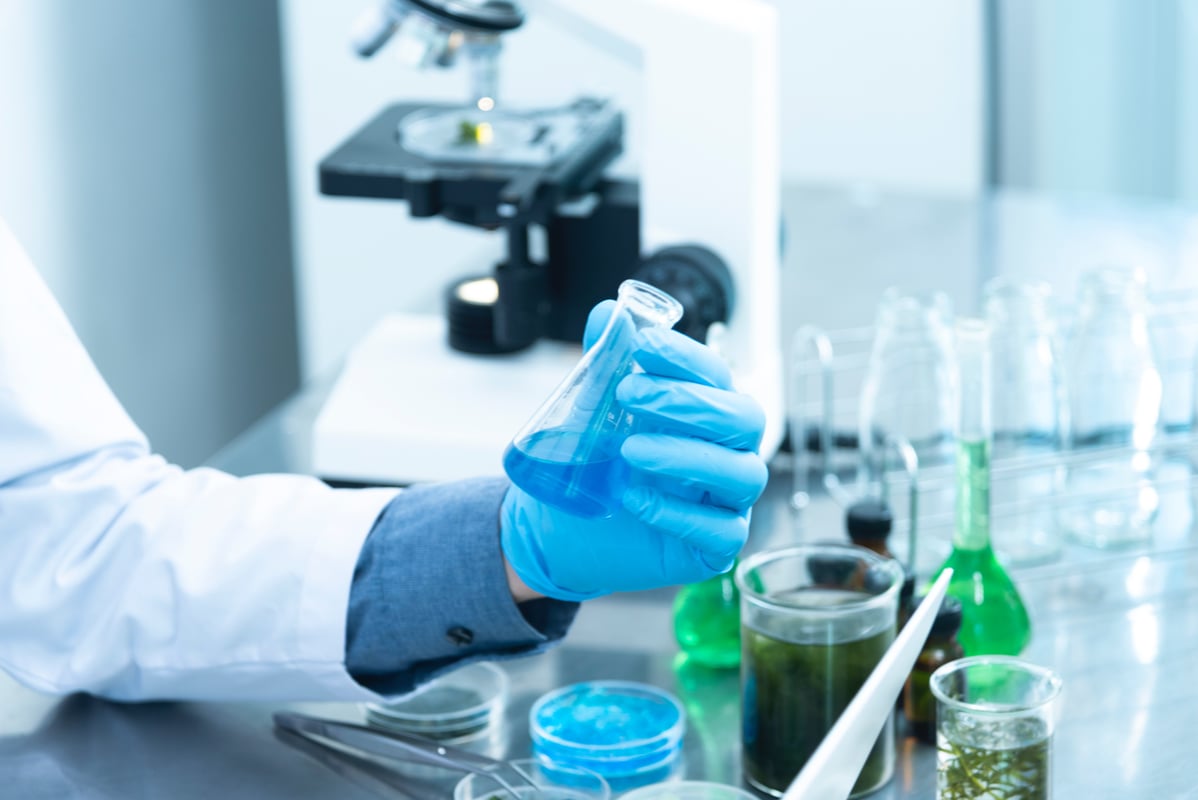
A Sterile Processing Technician, also known as a Central Sterile Supply Technician (CSST) or Surgical Instrument Technician, is a healthcare professional responsible for the decontamination, cleaning, inspection, and sterilization of medical equipment and instruments. These individuals play a crucial role in ensuring that healthcare facilities maintain a safe and sterile environment for patients and staff.
To become a Sterile Processing Technician, individuals typically need to complete a formal training program or certification course. These programs cover topics such as infection control, instrument handling, sterilization techniques, and quality assurance. The specific training requirements may vary depending on the state or jurisdiction, but many employers prefer or require candidates to hold a certification from an accredited organization, such as the Certification Board for Sterile Processing and Distribution (CBSPD) or the International Association of Healthcare Central Service Materiel Management (IAHCSMM).
In Grand Rapids, the fastest path to becoming a Sterile Processing Technician typically involves completing a certificate or diploma program. These programs are designed to be completed in a relatively short timeframe, often within 6 to 12 months. Some of the quickest options in the Grand Rapids area include:
These programs combine classroom instruction with hands-on training, ensuring that graduates are well-prepared to enter the field and take the necessary certification exams.
Grand Rapids is home to several institutions that offer Sterile Processing Technician classes, each with its unique curriculum, schedule, and requirements. Here are a few examples:
In addition to the in-person Sterile Processing Technician classes available in Grand Rapids, there are also online and free options for those interested in pursuing this career path.
While there are no fully online Sterile Processing Technician programs available in the Grand Rapids area, some institutions, such as Davenport University, offer hybrid programs that combine online coursework with on-site clinical training. These programs allow students to complete a portion of their studies remotely, making them a convenient option for those with busy schedules or who live in more remote areas.
Unfortunately, there are currently no free Sterile Processing Technician training programs available in Grand Rapids. However, some healthcare facilities or organizations may offer tuition assistance or scholarships to help cover the cost of Sterile Processing Technician education and training.
To become a certified Sterile Processing Technician, individuals must pass a national certification exam, such as those offered by the Certification Board for Sterile Processing and Distribution (CBSPD) or the International Association of Healthcare Central Service Materiel Management (IAHCSMM). These exams assess the candidate's knowledge and skills in areas like infection control, instrument processing, and sterilization techniques.
After passing the certification exam, Sterile Processing Technicians must maintain their certification through ongoing continuing education and periodic recertification. This ensures that they stay up-to-date with the latest industry standards and best practices.
In Grand Rapids, Sterile Processing Technicians can find employment opportunities in a variety of healthcare settings, including hospitals, surgical centers, dental offices, and outpatient clinics. These professionals play a crucial role in ensuring the safety and cleanliness of medical equipment, which is essential for patient care and the prevention of healthcare-associated infections.
Some of the potential employers for Sterile Processing Technicians in Grand Rapids include:
Grand Rapids, Michigan, offers a promising job market for Sterile Processing Technicians, with numerous opportunities to land sterile processing technician jobs and earn a competitive sterile processing technician salary. Whether you're looking to become a Sterile Processing Technician or are interested in exploring the available classes near you in Grand Rapids, the city provides a range of training options to choose from, including certificate and diploma programs. With the right education and certification, you can position yourself for a rewarding career in this essential healthcare field.
If you're aiming to pursue a career as a Phlebotomist but find yourself in a different state, remember, your goal is still within reach. You can explore opportunities to start your career as a Phlebotomist in places like Boston, Greenville, Los Angeles, Salt Lake City, San Jose. If these locations don't work for you, Dreambound simplifies the journey to becoming a Phlebotomist no matter where you live. By enabling you to find and compare Phlebotomy classes with a quick zip code search, Dreambound empowers you to move forward confidently towards a rewarding career in healthcare, regardless of your current location.
Dreambound's platform allows prospective students to find the right educational program for them through searching, filtering, and connecting with our extensive selection of career & technical education partners.
Dreambound has over 70 programs across healthcare, technology, business, and industrial trades. This includes programs such as Medical Billing, Cybersecurity, and welding.
Some of our schools offer financial aid for those who qualify. Many others offer payment plans, where you can pay the cost of class over time.
Yes, Dreambound offers many online programs. On Dreambound's search, you can filter by online, in-person, and hybrid (part online, part in-person).
Dreambound is completely free for you to use! We are supported by schools and organizations who pay to advertise on our website, so we can offer all of our career resources for free.
