Radiology Technician Classes Near Me in Grand Rapids
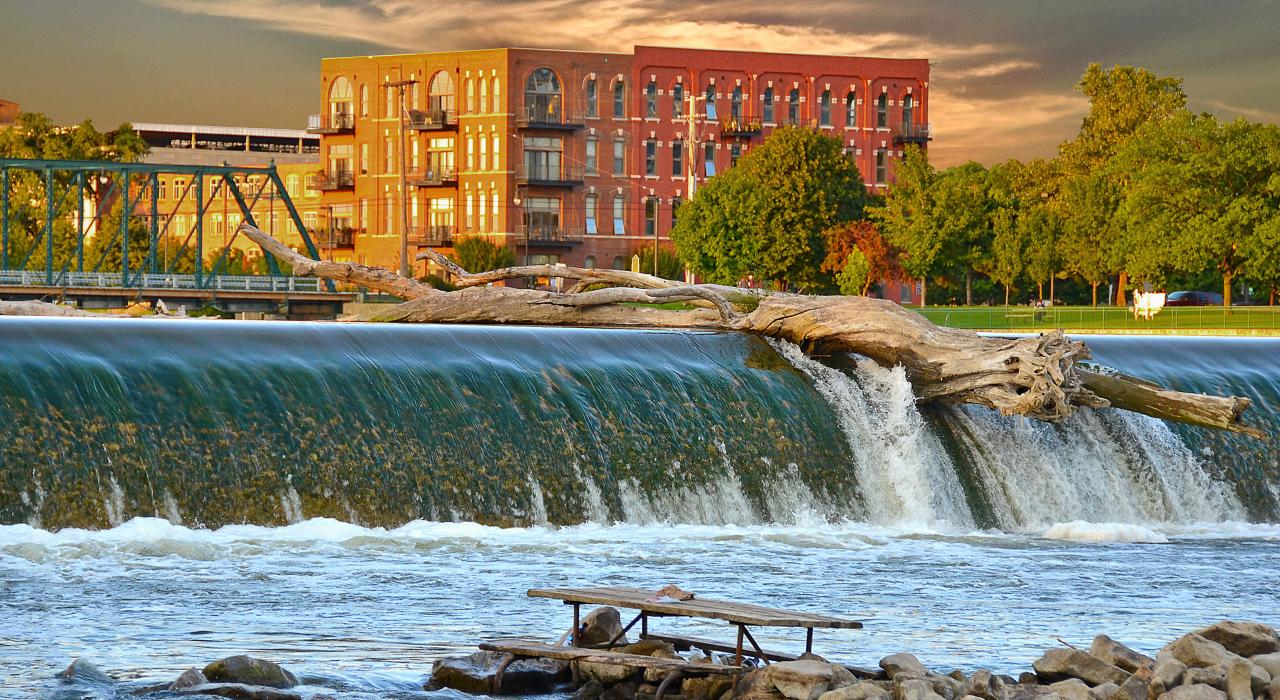
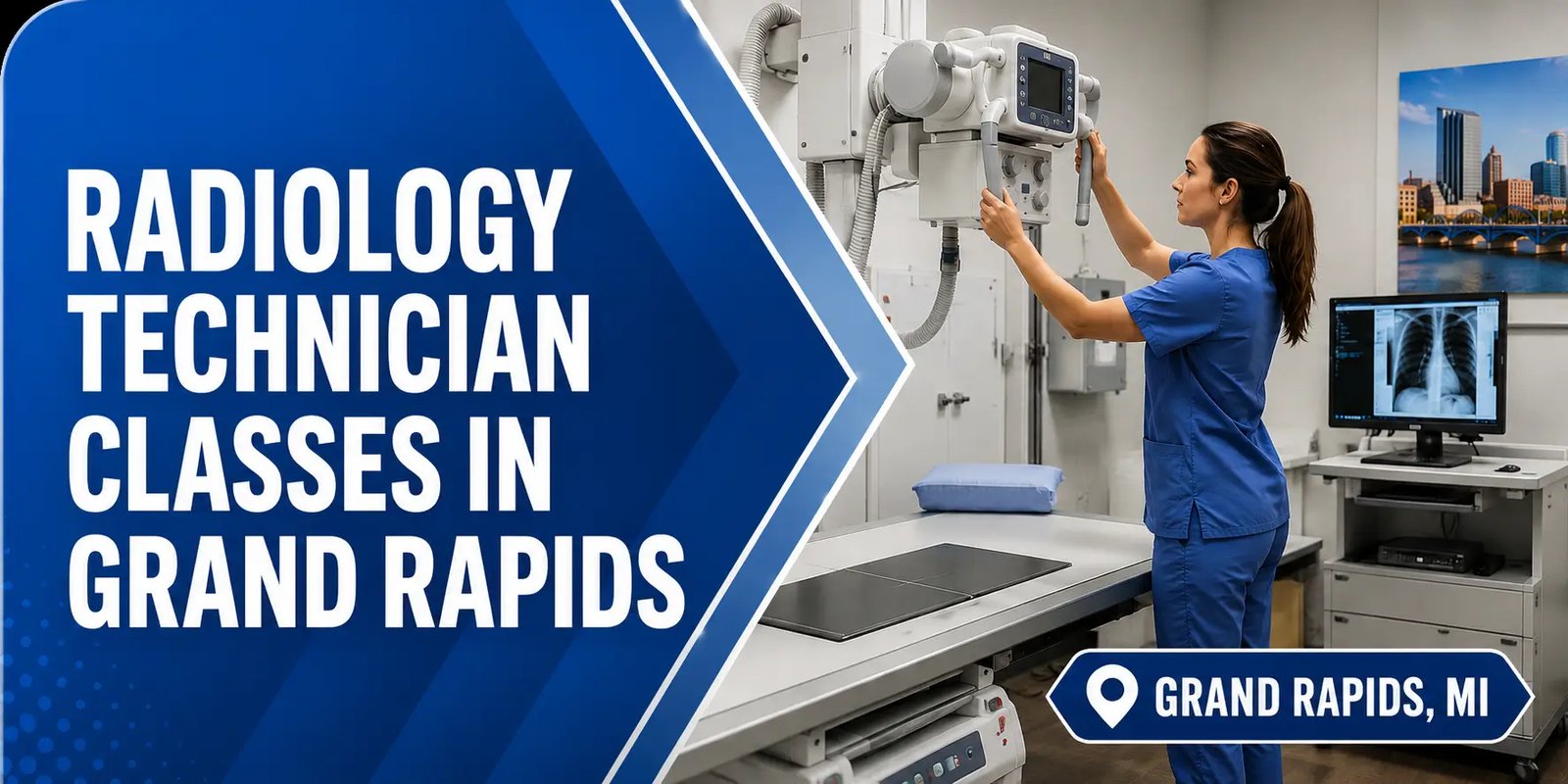
Grand Rapids is a healthcare-heavy metro, anchored by the Medical Mile, a dense corridor of hospitals, research institutes, and medical schools along Michigan Street, and reaching to hospitals and imaging centers well beyond it. That depth gives radiology techs a range of places to train and work across the area. Radiology technicians in the Grand Rapids metro earn a median of $77,360 a year, or about $37.19 an hour, according to May 2025 BLS data, which is right around the national median for the field. Michigan does not issue a separate license to radiologic technologists, but it does regulate who may operate medical X-ray equipment, and ARRT Radiography certification is the main route to active status under those rules. The training is hands-on, built around clinical education you complete in local hospitals and imaging centers.
Key Points
- Grand Rapids' healthcare sector is anchored by the Medical Mile on Michigan Street and spreads through hospitals and imaging centers across the metro.
- Metro pay sits at a median of $77,360 a year, about $37.19 an hour, as of May 2025 BLS data, close to the national middle for the field.
- BLS projects about 4% national job growth for radiologic technologists through 2034.
- Michigan issues no individual radiologic technologist license, but its operator-qualification rules apply, and ARRT Radiography certification is the standard route to active status.
- Plan on roughly two years of training, usually an associate degree paired with an ARRT-approved program and in-person clinical rotations.
Radiology Technician Salary in the Grand Rapids Area
At a median of $77,360 a year, about $37.19 an hour, Grand Rapids pays radiologic technologists close to the national middle for the field, according to May 2025 BLS data. The occupation is growing slowly nationwide, about 4% through 2034, though steady turnover in imaging work still opens positions.
What you take home depends on where you land, the shifts you pick up, and how far you specialize. A radiographer who cross-trains into CT, MRI, or mammography, each its own ARRT credential, generally out-earns one who stays in general X-ray.
Want to see how local programs line up on cost and length? You can sort Grand Rapids-area radiography options side by side on Dreambound.
Where Radiology Technicians Work in Grand Rapids
Imaging work in Grand Rapids clusters most visibly on the Medical Mile, where Corewell Health Butterworth Hospital and Helen DeVos Children's Hospital sit beside the Van Andel Institute and Michigan State University's College of Human Medicine on Michigan Street. It is a rare stretch where care, research, and training share the same few blocks.
The jobs do not stop there. Trinity Health Grand Rapids runs imaging downtown, University of Michigan Health-West does the same in Wyoming just south of the city, and standalone imaging centers, specialty clinics, and urgent care sites are scattered through the suburbs.
Radiology Tech Certification in Michigan
Michigan does not issue individual licenses to radiologic technologists, but the field is not unregulated. The state's operator-qualification rules (Part 5), in effect since March 2024, spell out who may perform medical radiography.
For active status in general radiography, Michigan accepts ARRT certification and registration in Radiography, CAMRT registration, or an equivalent credential. Graduates of approved programs who are exam-eligible can work under temporary status for up to three years, and a transitional conditional status remains open in some cases through March 12, 2027.
The ARRT credential itself calls for an associate degree or higher, an ARRT-approved radiography program, agreement to the ethics standards, and a passing exam score. Keeping it active after that takes 24 approved continuing-education credits every two years, plus an annual renewal.
What Radiology Tech Training Looks Like in Grand Rapids
Most people reach the ARRT exam through a two-year associate program, which is the usual entry route around Grand Rapids. ARRT actually sets two requirements you can satisfy separately: an associate degree in any subject, and completion of an ARRT-approved radiography program. A lot of those programs carry JRCERT accreditation, though ARRT recognizes other accreditation routes as well.
The part no program can shortcut is the clinical work. Lecture material can run partly online, but you have to log supervised imaging on real equipment and patients, in person, to prove the competencies ARRT checks. No version of the credential skips that.
A marketplace makes the comparison easier. Dreambound lets you line up Grand Rapids-area radiography programs by format, length, and schedule instead of opening a dozen separate school pages. It is a well-traveled path, too: Dreambound's 2025 Student Choice and Interest Report lists radiology technician among its five most-saved programs of 2025, at 1,126 saves.
Frequently Asked Questions
How does radiology tech pay in Grand Rapids compare to the national average?
About the same. The metro median runs $77,360 a year, roughly $37.19 an hour as of May 2025 BLS data, which sits right on the national midpoint. Your own number shifts with the employer, the shift you work, and any specialty credentials you hold.
What do you study in a radiology tech program?
Radiography programs pair science coursework with supervised clinical time. Expect anatomy and physiology, patient care, radiation physics and safety, and imaging positioning, then rotations in a hospital or clinic where you actually run the equipment. Those rotations are the heart of it, since that is where you learn to produce images a radiologist can read.
Is Grand Rapids a good place to work as a radiology tech?
It holds up well. Between the Medical Mile and the hospitals and imaging centers spread across the rest of the metro, there is a real range of places to work, and pay sits near the national midpoint. Michigan does not require an individual license either, so ARRT Radiography certification is the credential to aim for.
Planning Your Radiology Tech Path in Grand Rapids
Grand Rapids earns its spot for radiology techs on depth: a metro thick with hospitals and imaging centers, from the Medical Mile out to the suburbs, so training and working in the same place is realistic. The credential side is refreshingly clear, with no individual state license to chase, just ARRT Radiography certification and Michigan's operator-qualification rules.
When you are ready, put the Grand Rapids programs side by side on Dreambound and pick the length and schedule that fit your life.