Pediatric Advanced Life Support classes near me in Spokane

Introduction
Are you considering a career in the medical field, specifically pediatric advanced life support (PALS)? If you live in Spokane, Washington, and are looking for PALS classes near you, this blog post is for you. We will guide you through the process of becoming a PALS provider, including training requirements, what to look for in a class, and what to expect from day-to-day classes. Additionally, we will provide information on the certification process and how to find related jobs. We will also suggest other classes you can take after becoming a PALS provider.
What is a Pediatric Advanced Life Support (PALS)?
PALS is a certification program that equips healthcare professionals with the skills and knowledge to respond to cases of cardiopulmonary emergencies and life-threatening situations in children and infants. Professionals who should consider PALS certification include nurses, doctors, paramedics, and respiratory therapists.
Training Requirements for PALS
For you to become a certified PALS provider, you must meet certain training requirements:
-
You must have a Basic Life Support (BLS) certification.
-
You must complete a PALS course, which includes theory and practical components.
-
You must pass a written exam and a skills test at the end of the course.
It's important to keep in mind that the requirements may differ slightly depending on the organization offering the PALS course.
What to Look for in a PALS Class
When choosing a PALS class, there are several factors you should consider:
-
Accreditation: The course provider should be accredited by a recognized body to ensure you receive valid certification.
-
Course content: The course should cover all essential areas of PALS, including pediatric assessment, resuscitation, and pharmacology.
-
Instructors: The instructors should be experienced professionals in the field.
Before you settle on a class, do some research to ensure it meets these criteria.
What to Expect from Day-to-Day Classes
PALS classes typically involve a mix of theoretical instruction and practical skills training. Here's a glimpse of what your day-to-day classes might look like:
-
Theory sessions: These cover the principles of PALS, including pediatric assessment, basic life support, and pharmacology.
-
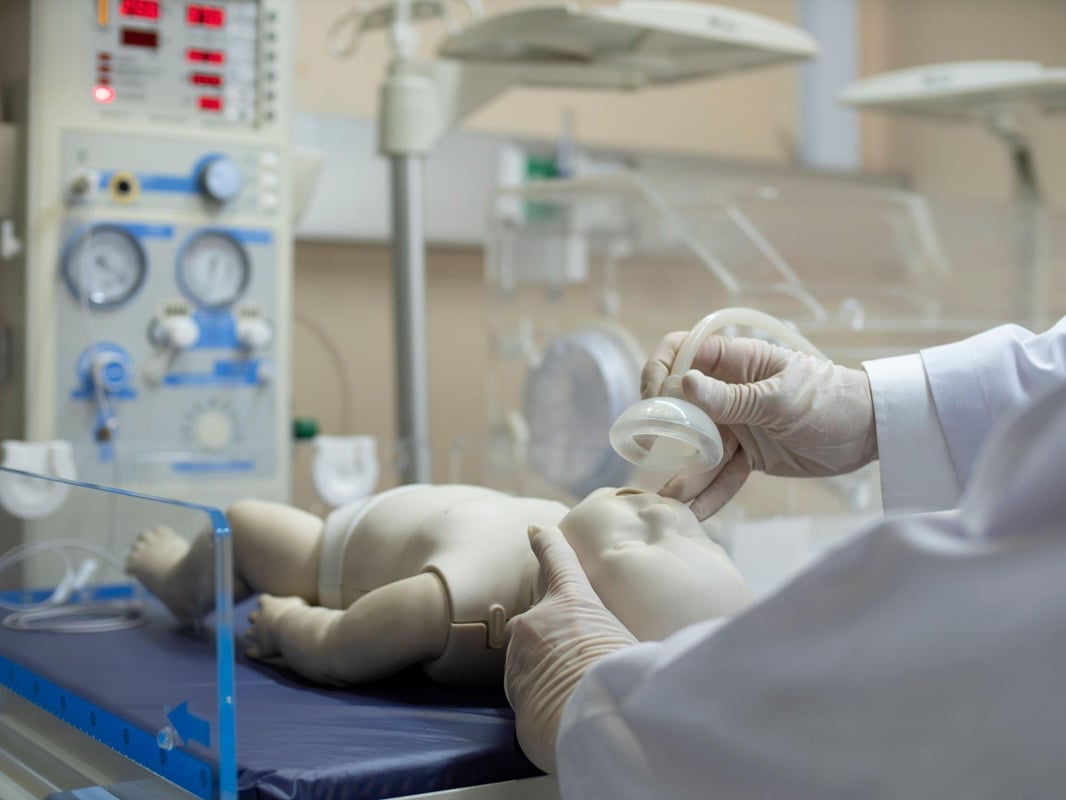
Practical sessions: These involve hands-on training in skills such as infant CPR, use of an automated external defibrillator (AED), and advanced airway management.
What Does the Certification Process Look Like?
Once you've completed your PALS course, the next step is certification. Here's what the process involves:
-
Written exam: This tests your understanding of the principles of PALS.
-
Skills test: This assesses your ability to apply PALS techniques in a simulated emergency situation.
Upon successful completion of these assessments, you'll receive your PALS certification, which is typically valid for two years.
How to Find a Related Job
After attaining your PALS certification, you'll be equipped to work in various healthcare settings, including hospitals, emergency medical services, and pediatric clinics. Websites like Dreambound can be a great resource for finding related job opportunities in Spokane and beyond.
What Other Classes Can Someone Take After Becoming a PALS Provider?
After becoming a PALS provider, there are several other courses you can take to enhance your skills and broaden your career prospects:
-
Advanced Cardiac Life Support (ACLS): This course is similar to PALS but focuses on adults rather than children.
-
Neonatal Resuscitation Program (NRP): This course equips healthcare professionals with the skills to handle newborn emergencies.
-
Emergency Medical Technician (EMT) training: This course prepares individuals for a career in emergency medical services.
The Importance of Continuous Education
Continuous education is crucial in the medical field, as it helps professionals stay updated with the latest techniques and protocols. After obtaining your PALS certification, consider enrolling in refresher courses or advanced training programs to keep your knowledge and skills sharp.
Online vs. Classroom Training
While traditional classroom training offers hands-on experience and immediate feedback, online training provides flexibility, allowing you to learn at your own pace. It's essential to choose a learning format that suits your schedule, learning style, and career goals.
The Role of PALS in Healthcare
PALS providers play a crucial role in healthcare, providing emergency care for critically ill children and infants. By becoming a PALS provider, you can make a significant impact on the lives of children and their families.
Final Thoughts
Becoming a PALS provider is an excellent way to advance your career in the healthcare industry. With the right training, you can gain the skills necessary to handle pediatric emergencies effectively. Regardless of where you are in Spokane, there are plenty of resources available to help you find a PALS class near you. Remember, the journey to becoming a PALS provider requires dedication and commitment, but the rewards are well worth the effort.
, and Dreambound.
Navigate the certification journey in this field with Dreambound's detailed guides, each crafted for various cities. For a deeper understanding of the process in other states, our additional guides may be able to help.