Pediatric Advanced Life Support classes near me in Durham

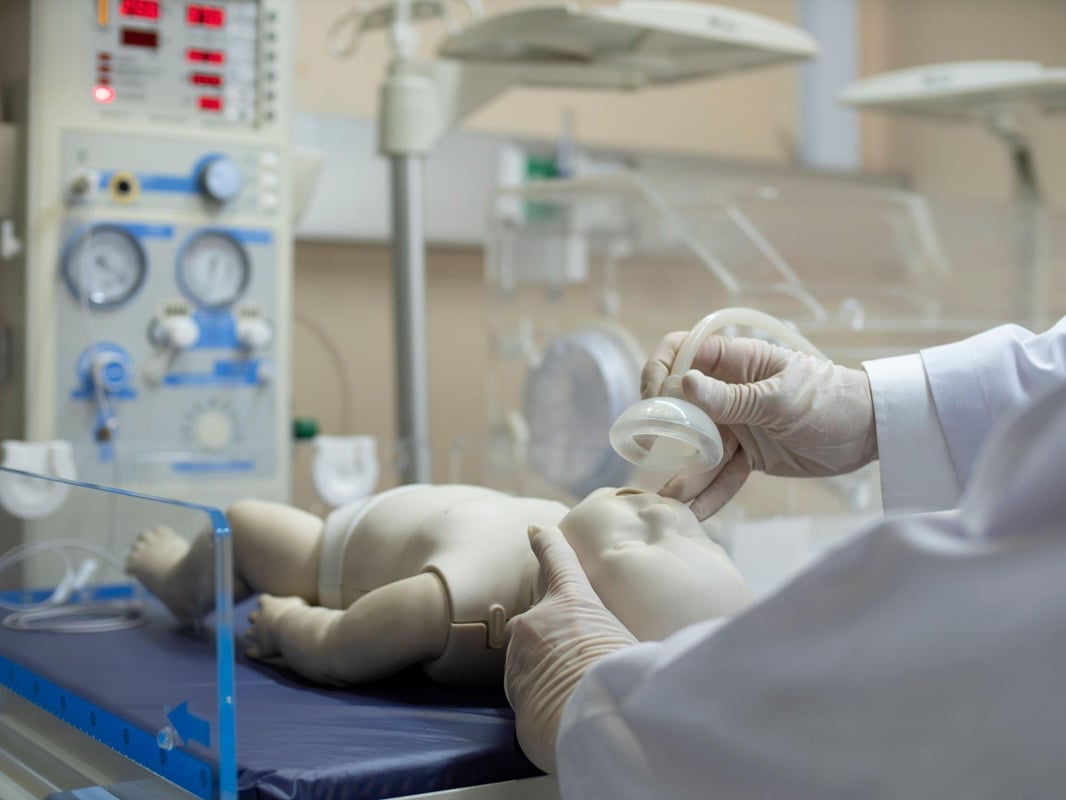
When looking for Pediatric Advanced Life Support (PALS) classes in Durham, you might feel overwhelmed by the number of options. Don't worry, you're not alone! This comprehensive blog post will serve as a guide to help you figure out where to start, what to look for, and how to proceed.
What is Pediatric Advanced Life Support (PALS)?
Pediatric Advanced Life Support, or PALS, is a critical certification for healthcare professionals responding to infant and child emergencies. This includes paramedics, nurses, and doctors. PALS training provides these professionals with the knowledge and skills to effectively manage critically ill children during the crucial first hours in the emergency room.
Training Requirements
The requirements for PALS classes may vary slightly, but all courses should cover the same essential topics. These include:
-
Basic life support skills
-
Recognition and early management of respiratory and cardiac arrest
-
Recognition and early management of shock
-
Recognition and early management of peri-arrest conditions
-
Effective communication as a member and leader of a resuscitation team
Before enrolling in a PALS class, you should have a basic understanding of the above topics. These classes are typically designed for healthcare professionals, so they often assume that participants have some prior medical knowledge.
What to Look for in a class
When choosing a PALS class, you can consider the following factors:
-
Certification: Ensure the class provides a certificate recognized by your employer or potential employers. Most employers require American Heart Association (AHA) certification.
-
Class size: Smaller classes often provide more individual attention.
-
Instructor experience: Instructors should have extensive experience in pediatric emergencies.
-
Course content: Ensure the course covers all necessary topics and provides hands-on training.
What to expect from the day-to-day class
PALS classes typically include a combination of lectures, discussions, and hands-on practice. Topics usually covered include how to identify and treat life-threatening conditions such as cardiac arrest, shock, and respiratory failure. Hands-on practice often involves using medical equipment and practicing procedures on mannequins.
The certification process
After completing the PALS training, you need to pass a written exam and a hands-on skills test to become certified. Once certified, you'll need to take a refresher course every two years to maintain your certification.
How to find related jobs
Once you've earned your PALS certification, you can use it to pursue various jobs in the healthcare field. Many employers, especially hospitals and emergency medical services, require or prefer candidates with PALS certification.
What other classes can someone take after becoming a PALS?
After becoming PALS, you might be interested in furthering your education and skills. Here are a few classes you might consider:
-
Advanced Cardiovascular Life Support (ACLS): This class is designed for healthcare professionals who manage cardiopulmonary arrest or other cardiovascular emergencies.
-
Neonatal Resuscitation Program (NRP): This program is designed for healthcare professionals involved in delivering and caring for newborns.
-
Emergency Nursing Pediatric Course (ENPC): This course is designed to provide core-level pediatric knowledge and psychomotor skills needed to care for pediatric patients in an emergency setting.
How to stay updated
Like any other field, the healthcare sector is constantly evolving. Therefore, staying updated with the latest developments, research findings, and best practices is crucial. Consider joining professional organizations, attending workshops, reading relevant journals, and participating in online forums.
How to prepare for the exam
Preparing for the PALS exam requires a thorough understanding of the course material and lots of practice. Utilize study guides, flashcards, practice tests, and review sessions to ensure you're ready for the exam.
How to retain your certification
Staying certified requires taking a refresher course and passing an exam every two years. Keep track of your certification date and plan accordingly to avoid any lapse in certification.
The role of continued learning
Continuing your education beyond PALS certification can open up more career opportunities and allow you to provide more patient care. Consider pursuing advanced degrees or certifications in critical care or emergency nursing.
Final Thoughts
Pursuing PALS certification is a substantial step towards a rewarding healthcare career. It equips you with essential skills to manage pediatric emergencies and potentially save lives. The journey to becoming PALS certified may seem challenging, but it's an achievable goal with the right guidance and resources.
Remember, Dreambound is always there to help you find the right vocational training programs and the perfect class. Whether you are looking for PALS classes in Durham or exploring other healthcare careers in North Carolina, Dreambound has the resources you need to make an informed decision.
Dreambound is your go-to for city-specific guides if you're starting in this field. And if you're in another location or considering a change, we've written several others as well.
- How to Become a Pediatric Nurse in California
- How to Become a Pediatric Nurse in Kansas
- How to Become a Pediatric Nurse in Mississippi
- How to Become a Pediatric Nurse in Ohio
- How to Become a Pediatric Nurse in Wyoming
Thinking about making a big change in your career path? It's important to be well-informed before starting off on your journey. Dreambound has written hundreds of in-depth guides to help. Explore some of these resources below.