Online Home Health Aide schools near me in Scranton

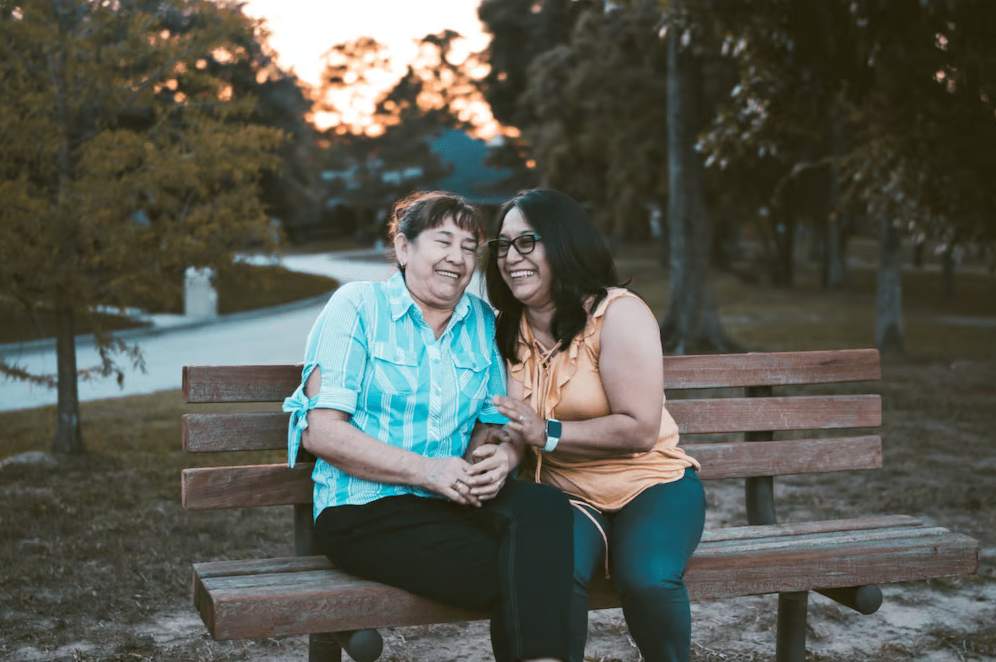
If you're interested in a career in the healthcare industry in Scranton, becoming a Home Health Aide (HHA) can be an excellent starting point. This article will provide you with all the necessary information to help you understand the HHA role, training requirements and how to find the best classes near you, among other topics. Let's explore this rewarding career together.
What is a Home Health Aide?
A Home Health Aide is a healthcare professional responsible for providing care to individuals who are unable to perform daily living tasks due to illness, injury, or age. This care can include tasks such as bathing, dressing, meal preparation, and medication reminders. HHAs often work in the client's home, but they can also work in larger care facilities. Familiarize yourself with thefunctions of Home Health Aidesthrough the comprehensive information provided in our blog.
Training requirements
To become a Home Health Aide, you will need to complete a training program. These programs typically cover topics such as patient care, emergency response, and the basics of medical terminology. However, the specific training requirements can vary depending on the state you're in.
In Pennsylvania, one of the key requirements is to complete a minimum of 75 hours of training, which includes at least 16 hours of clinical training. The good news is, several institutions in Scranton offer HHA training programs that meet these requirements.
What to look for in a class
When choosing a Home Health Aide class, there are several factors that you should consider:
-
Accreditation: Ensure the program is accredited by a recognized healthcare organization. This guarantees that the program meets the necessary standards and will provide you with a quality education.
-
Course content: Review the course syllabus to ensure it covers all necessary topics, such as patient care, emergency response, and basic medical terminology.
-
Practical training: Make sure the program includes hands-on, practical training. This will prepare you for the real-world scenarios you'll encounter in your career.
-
Job placement assistance: Some programs offer assistance in finding a job after graduation. This can be incredibly helpful in starting your career as a Home Health Aide.
What to expect from the day-to-day class
HHA classes typically involve both theoretical instruction and practical training. You can expect to learn about a broad range of topics, from basic anatomy and physiology to specific care procedures for different types of patients. Practical training, on the other hand, will provide you with hands-on experience in patient care.
What does the certification process look like?
Upon successful completion of the training program, you will be eligible to take the state certification exam for Home Health Aides. This exam typically includes a written portion and a skills demonstration portion. Once you pass this exam, you will be a certified Home Health Aide.
How to find related jobs
Once you become a certified HHA, you can start applying for jobs in various settings, such as home care agencies, nursing homes, and hospitals. You can also use job search platforms that specialize in healthcare jobs.
What other classes someone can take after becoming a Home Health Aide
After becoming a Home Health Aide, you might want to advance your career by gaining additional qualifications. Here are some of the classes you might consider:
-
Certified Nursing Assistant (CNA): This is a step up from being an HHA and allows you to perform more complex patient care tasks.
-
**** This role involves both administrative and clinical tasks in a medical office.
-
Pharmacy Technician This role involves assisting pharmacists with dispensing medication to patients.
Additional topics
Importance of soft skills in Home Health Aide career
As a Home Health Aide, you will be interacting with patients and their families on a daily basis. Therefore, having excellent communication skills, empathy, and patience are crucial.
Advancement opportunities for HHAs
With experience and additional training, HHAs can advance to positions such as medical assistants or licensed practical nurses. Additionally, some HHAs may choose to specialize in a particular type of care, such as geriatric or palliative care.
The role of HHAs in the healthcare industry
HHAs play a crucial role in the healthcare industry. They provide essential care to individuals who are unable to carry out daily tasks independently, thereby improving their quality of life.
The impact of COVID-19 on the HHA profession
The COVID-19 pandemic has put a spotlight on the importance of HHAs, as they have been on the frontline providing care to those most vulnerable to the virus. This has led to increased recognition of the profession and a surge in demand for trained HHAs.
Final Thoughts
Becoming a Home Health Aide can be a rewarding career path for those who have a passion for helping others. With the right training and dedication, you can make a real difference in people's lives. Remember, choosing the right class is the first step towards this fulfilling career. So start your search today and embark on a journey towards a career that truly matters.
Dreambound simplifies your start in this field with tailored guides for various cities. If life takes you elsewhere or you're thinking about a move, our other guides can help you figure out what to expect.
- How to Become a Home Health Aide in Connecticut
- How to Become a Home Health Aide in Maine
- How to Become a Home Health Aide in Michigan
- How to Become a Home Health Aide in Oklahoma
- How to Become a Home Health Aide in South Dakota
Pondering a shift in your career path or exploring different professional avenues? Dreambound has created detailed guides to support you in making informed decisions: