First Aid classes near me in Dallas/Fort Worth

First aid skills are crucial, not only for healthcare professionals but for anyone who wishes to be prepared in the event of an emergency. This blog post will guide learners in the Dallas/Fort Worth area on how to find the best First Aid classes for their needs. We'll explore what First Aid is, the training requirements, what to look for in a class, and what to expect day-to-day. We'll also cover the certification process, how to find related jobs and other classes someone can take after becoming certified in First Aid.
What is First Aid?
First Aid is the initial assistance given to a victim of injury or illness. Comprised of simple medical techniques, it's often performed by a non-expert person on a sick or injured individual until professional medical help arrives. The aim is to preserve life, prevent further harm, and promote recovery.
Training Requirements
First Aid training typically includes instruction on responding to common emergencies, including minor injuries, burns, choking, and wounds. The requirements for First Aid training vary depending on the level of certification desired. Here are some of the key components to consider:
-
Basic First Aid: Covers how to treat minor injuries and illnesses.
-
CPR/AED Training: This training teaches how to respond to cardiac and breathing emergencies.
-
Pediatric First Aid: This is specialized training for responding to emergencies involving infants or children.
What to Look for in a Class
When searching for a First Aid class, there are several factors to consider:
-
Certification: Ensure the course provides certification upon completion. This is especially important for those who require it for their jobs.
-
Practical Training: The class should strongly emphasize hands-on training, as this is crucial for mastering First Aid skills.
-
Experienced Instructors: The quality of instructors can make a big difference in your learning experience. Look for instructors with real-life experience in emergency response.
Day-to-Day Class Expectations
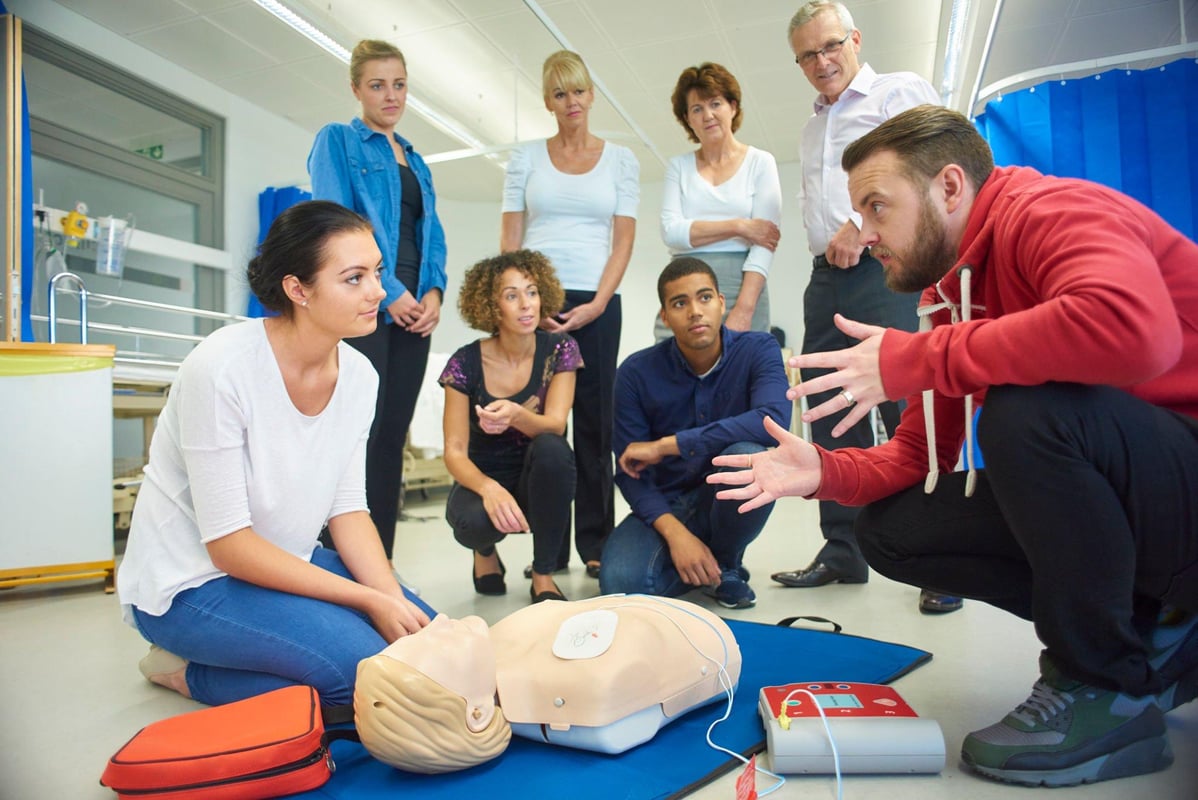
You can expect a mix of theoretical and practical learning in a First Aid class. Here's what a typical day might look like:
-
Theory Sessions: These cover the basics of first aid, such as understanding the signs and symptoms of common medical emergencies.
-
Practical Sessions: You'll practice what you've learned in simulated emergencies.
-
Assessment: Most courses have an assessment component to test your knowledge and skills.
Certification Process
The certification process for First Aid typically involves completing a course and passing an assessment. The specifics of the process can vary depending on the course provider and the level of certification. Certification is usually valid for a certain period, often two years, after which a refresher course is required.
Finding a Job
Once certified, there are numerous job opportunities available. First Aid certification is often required or highly valued in many professions, including childcare, teaching, sports coaching, and many healthcare roles. You can look for job opportunities in these areas on various job search platforms.
After Becoming a First Aid
It's common for people to take on additional training after becoming certified in First Aid. You might consider courses in areas such as Emergency Medical Technician (EMT), Certified Nursing Assistant (CNA), or Caregiver, which can broaden your skills and increase job opportunities.
Additional Training Opportunities
After gaining a First Aid certification, you may consider further training to enhance your skills and employability. Here are a few options:
-
Advanced First Aid Courses: These courses provide more in-depth knowledge and skills suitable for individuals in specific roles or industries.
-
Specialized Courses: Some courses focus on specific areas of First Aid, such as wilderness or mental health first aid.
-
Health and Safety Training: This could include fire safety, food safety, or occupational health and safety courses.
Online vs. In-Person Classes
When choosing a First Aid class, one decision you'll need to make is whether to take an online or in-person class. Both have their advantages:
-
Online Classes: These offer flexibility and convenience, allowing you to learn at your own pace and in your own time.
-
In-Person Classes: These provide hands-on experience and direct interaction with instructors, which can be beneficial for learning practical skills.
Importance of Continuous Learning
First Aid skills, like any other skills, can fade over time if not regularly used or refreshed. Therefore, it is important to commit to continuous learning and regular practice. Re-certification courses are typically required every two years.
Final Thoughts
First Aid training is a valuable skill set that can benefit individuals in any profession. Whether you're a teacher, a parent, a sports coach, or looking to enter the healthcare sector, First Aid training can equip you with the knowledge and confidence to handle emergencies effectively and potentially save lives. Remember, the goal is to gain certification and become a competent first aider. Make the most of the resources and opportunities available in the Dallas/Fort Worth area, and embark on your First Aid training journey today!
If you're exploring options in this field in various locations, Dreambound's extensive guides are a great resource. We've got detailed insights for numerous cities. check out some additional guides below:
- How to Become an Emergency Response Team Member in Colorado
- How to Become an Emergency Response Team Member in Maine
- How to Become an Emergency Response Team Member in Maryland
- How to Become an Emergency Response Team Member in Ohio
- How to Become an Emergency Response Team Member in Virginia
Thinking about a potential career transition? Dreambound offers detailed guides to help you with making an informed decision. Dive in below: