Tower Technician classes near me in Birmingham

Introduction
Pursuing a career as a Tower Technician can be a rewarding choice for those who have an affinity for height and technology. With the rapid expansion of wireless technology, skilled technicians are in high demand. To kickstart your journey in this field, attending Tower Tech classes in Birmingham would be an ideal start. This blog post aims to provide you with in-depth information about the role of a tower technician, the required training, class expectations, and the certification process. We will also explore job prospects, and additional classes you can take to enhance your skills.
What is a Tower Technician?
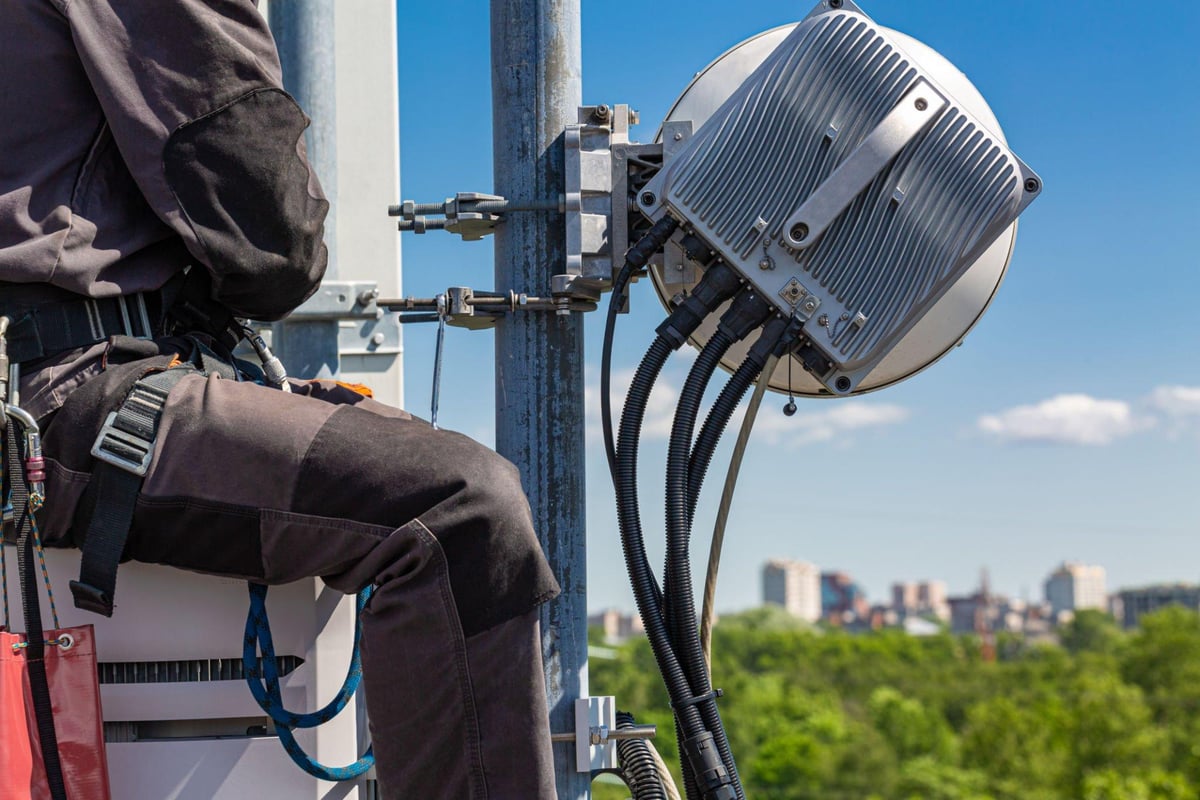
A Tower Technician, also known as a tower climber, works on the towers that support antennas used for cellular, television, and radio broadcasting. Their job involves installation, maintenance, and repair of these antennas, ensuring the proper functioning of wireless technology. They troubleshoot hardware problems, perform inspections, and ensure the tower's safety and structural integrity. It's a physically demanding job requiring good health, a head for heights, and technical knowledge.
Training Requirements
To become a tower technician, specific training and qualifications are required. These include:
-
High School Diploma or Equivalent: It's the minimum educational requirement for most employers. It provides a foundation in basic maths and science, which is crucial in understanding technical aspects of the job.
-
Technical Training: Aspiring tower technicians should attend a technical training program, such as the Tower Tech classes offered in Birmingham. These programs provide knowledge about radio frequency, antenna systems, and tower safety.
-
Physical Fitness: Tower Technicians should be physically fit as the job requires climbing, lifting heavy equipment, and working at significant heights.
The training equips students with the technical skills necessary for the job and emphasizes safety protocols and procedures.
What to Look for in a Class
When searching for a Tower Tech class, consider the following:
-
Curriculum: Ensure the program covers essential areas like safety protocols, antenna systems, radio frequency, and tower rigging.
-
Qualified Instructors: Look for classes taught by experienced professionals in the field. Their practical insights can be invaluable.
-
Hands-on Training: A good program should provide plenty of practical training in addition to theoretical knowledge.
-
Certification: Check if the program offers certification upon completion. Most employers prefer certified technicians.
What to Expect from the Day-to-Day Class
In a typical Tower Tech class, you can expect a blend of theoretical learning and hands-on training. Topics covered may include radio frequency safety, antenna systems, tower rigging, and rescue operations. You will also engage in practical exercises that mimic real-world scenarios, such as climbing towers, handling equipment, and troubleshooting antenna systems.
What Does the Certification Process Look Like?
Upon completing the training program, you can pursue certification, which enhances your credibility as a Tower Technician. The certification process typically involves passing an examination that tests your knowledge and skills. It covers areas such as safety protocols, antenna systems, and radio frequency. Certified technicians often have better job prospects than their non-certified counterparts.
How to Find Related Jobs
After attaining your certification, you can explore various job opportunities in the telecommunications industry. Positions include Tower Climber, Tower Technician, Field Technician, and more. You can find relevant job postings on various online job boards and company websites. Networking can also be a powerful tool in uncovering job opportunities.
What Other Classes Can Someone Take After Becoming a Tower Technician?
After becoming a certified Tower Technician, you may choose to further your skills and knowledge by taking additional classes. These could include:
-
Advanced Safety Training: This could involve specialized training in hazard identification, emergency response, and rescue operations.
-
Technical Courses: Courses on advanced antenna systems, fiber optics, or advanced radio frequency could deepen your technical expertise.
-
Management Training: If you aspire to a supervisory or managerial role, consider taking classes in project management or team leadership.
Final Thoughts
Embarking on a career as a Tower Technician can be a rewarding choice for those who enjoy working at heights and have a knack for technology. With the right training, you can become a valuable asset in the ever-growing telecommunications industry. Remember, continued learning is key in this field, given the rapid advancements in technology. So, keep exploring, keep learning, and reach for the sky!
Consider Dreambound as a valuable resource if you're thinking about getting started in this field. We've written many guides to help with the different parts of the certification process across the country: