Diagnostic Medical Sonography Classes Near Me in Greensboro
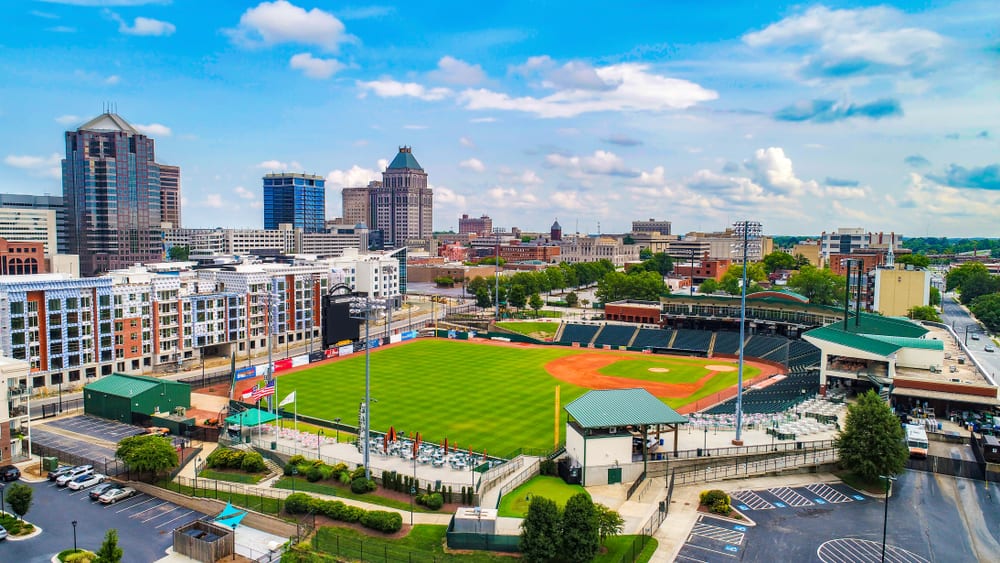
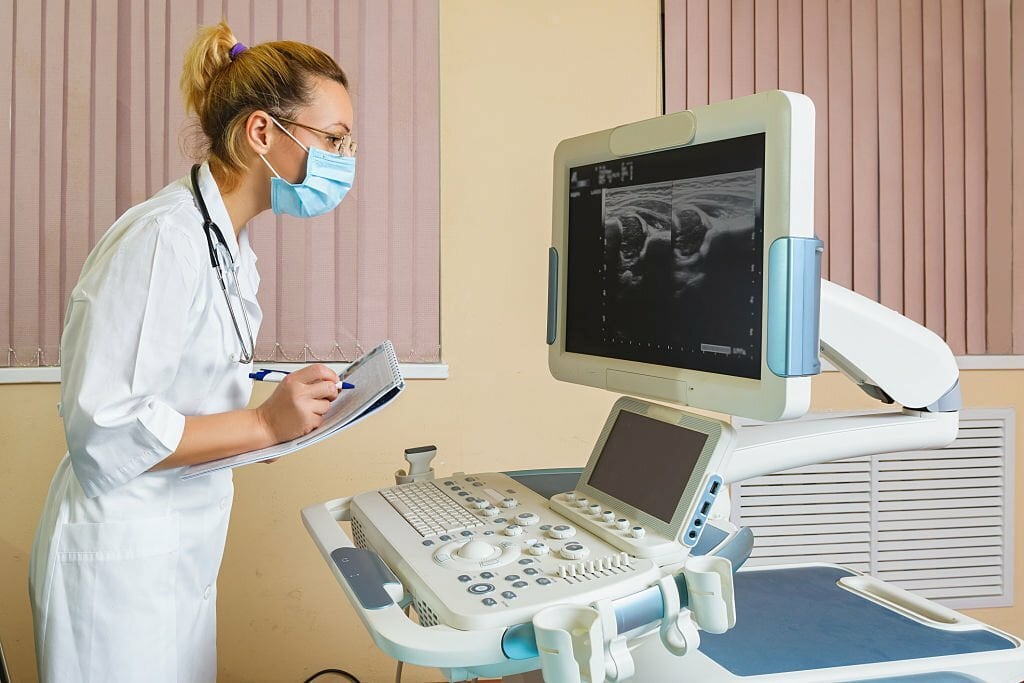
To start medical sonography classes in the Greensboro area, you complete an Associate in Applied Science degree, qualify to sit for the ARDMS certification exam, and apply through a selective-admission process that limits each cohort. Sonographers in the Greensboro-High Point metro earn a median annual wage of $86,300, which sits about $2,820 above the North Carolina median and roughly $3,000 below the national median of $89,340. North Carolina does not license sonographers at the state level; ARDMS registration is voluntary nationally but is the credential almost every employer expects. Community college programs serving the metro often run on application-pool reviews rather than open seats, so timing your application matters as much as meeting the prerequisites.
Key Points
- Greensboro-High Point sonographers earn a median wage of $86,300 per year, slightly above the North Carolina median and slightly below the national median of $89,340.
- The standard local pathway is a five-semester Associate in Applied Science degree combining classroom, lab, and clinical hours.
- Local community college programs use selective admission with limited cohort seats, so applying early matters as much as meeting prerequisites.
- North Carolina does not require a state license for sonographers; the ARDMS credential is the practical hiring standard.
- Tuition at North Carolina community colleges is set by the state at $76 per credit hour for residents, with fees, books, and clinical costs added on top.
Medical Sonography Programs in Greensboro
Dreambound is a free platform that helps you compare training programs across the United States.
Guilford Technical Community College
- Graduates qualify for: ARDMS certification eligibility
- Format: In-person, with clinical rotations
- Length: Five semesters (75 credit hours)
- Location: Jamestown, NC (serving the Greensboro metro)
- Selective admission with limited seats per cohort
Compare this and other sonography programs on Dreambound to find a schedule and clinical format that fit your situation.
Medical Sonographer Salary in Greensboro
Sonographers in the Greensboro-High Point metro earn a median annual wage of $86,300, which works out to $41.49 per hour, according to May 2024 BLS OEWS data. That metro median runs about $2,820 above the North Carolina state median of $83,480 ($40.14 per hour), meaning Triad sonographers earn somewhat more than peers in other parts of the state.
The national median annual wage is $89,340 ($42.95 per hour) per the BLS Occupational Outlook Handbook, so Greensboro pays roughly $3,000 below the national median. That gap is worth weighing against North Carolina's lower cost of living before drawing a financial conclusion about the metro.
If the pay range here lines up with what you are after, the next step is to compare program length and clinical format on Dreambound to see what realistically fits your schedule.
Requirements to Become a Medical Sonographer in Greensboro
To work as a sonographer in Greensboro, you generally need to complete an accredited associate degree, gain hands-on clinical experience inside the program, and pass an ARDMS certification exam in your specialty (Abdomen, OB/GYN, Vascular, or Adult Cardiac, among others).
North Carolina does not issue a state-level sonographer license, so the practical credential is national: the Registered Diagnostic Medical Sonographer (RDMS) designation from the American Registry for Diagnostic Medical Sonography. Most Greensboro-area employers expect an ARDMS credential within a defined window after hire, even though it is technically voluntary at the state level.
Common application requirements may include:
- Prerequisite coursework such as anatomy and physiology, English, math, and healthcare core classes.
- Background and drug screening before clinical placement.
- Immunization records and required health documentation.
- A competitive application review based partly on prerequisite grades.
- A complete application packet submitted by the school’s deadline.
The full state-level path, including how prerequisites and ARDMS specialty exams interact, is covered in our guide on how to become a medical sonographer in North Carolina.
How Long Sonography Training Takes in Greensboro
A realistic Greensboro sonography timeline usually looks like this:
- Prerequisites: One to two extra semesters if you still need anatomy and physiology, English, or math credits.
- AAS program: About two years, usually structured across five semesters.
- ARDMS exam timing: Most graduates schedule their first ARDMS specialty exam soon after finishing clinical hours, which adds a few weeks to a couple of months on top of program length.
- Online options: Entry-level sonography training is not fully online in the Greensboro area because clinical training must happen in person.
How Much Sonography Classes Cost in Greensboro
Tuition at North Carolina community colleges is set by the state. Both Triad-area programs charge $76 per credit hour for North Carolina residents and $268 per credit hour for non-residents, with term fees, books, lab fees, uniforms, background checks, immunizations, liability insurance, and certification exam costs added on top.
For a 75-credit-hour AAS program, in-state tuition alone runs roughly $5,700. The total cost can be higher once required program expenses are added, such as:
- Term and student fees.
- Books and course materials.
- Lab fees and uniforms.
- Background checks and immunizations.
- Liability insurance.
- ARDMS certification exam fees.
Federal aid through the FAFSA is the most common funding pathway. Guilford County high school graduates may qualify for the Access Amazing Scholarship covering in-state tuition and fees, and GTCC also offers the Laurie Saba Memorial Scholarship designated for medical sonography students.
Where Sonographers Work in Greensboro
Greensboro and the surrounding Triad host a mix of large hospital systems, specialty imaging practices, and outpatient clinics that employ sonographers.
Major healthcare and imaging organizations in the area include:
- Cone Health, the dominant regional employer headquartered in Greensboro, with multiple hospitals and outpatient centers across the metro.
- Atrium Health Wake Forest Baptist, which operates High Point Medical Center, formerly High Point Regional Health System, covering the southern Triad.
- Novant Health, which runs facilities throughout the metro and into Winston-Salem.
- Greensboro Radiology, part of the Radiology Partners network nationally, operating as a private imaging practice with sonography roles in the area.
Beyond hospital systems, smaller imaging clinics, OB/GYN practices, cardiology groups, and vascular surgery centers also use sonographers across the Greensboro market.
Frequently Asked Questions
What schools in NC have a sonography program?
North Carolina has multiple Medical Sonography programs at community colleges, including Guilford Technical Community College in Jamestown (serving Greensboro), Forsyth Tech in Winston-Salem, Cape Fear Community College in Wilmington, Wake Tech in Raleigh, and Central Carolina Community College in Sanford. Each runs a selective-admission AAS pathway. Dreambound lists active North Carolina sonography programs you can compare by location and format.
How long is sonography school in NC?
Sonography programs in North Carolina typically run two years (about five semesters) for the Associate in Applied Science degree, plus any time needed to complete prerequisite coursework before applying. After graduation, ARDMS certification exams add a few weeks to a couple of months before working independently.
How much is sonography school in NC?
North Carolina community colleges charge $76 per credit hour for state residents and $268 per credit hour for non-residents, set uniformly by the state. For a 75-credit-hour AAS, in-state tuition alone lands near $5,700, with books, fees, lab costs, immunizations, and exam fees added to the total.
What is the salary of a sonographer in NC?
Sonographers in North Carolina earn a median annual wage of $83,480 ($40.14 per hour) per May 2024 BLS data. The Greensboro-High Point metro pays slightly higher at $86,300 median, while the national median sits at $89,340. Pay varies with specialty, certification credentials, and years of experience.
Choosing Your Sonography Path in Greensboro
The Greensboro metro pays a small premium over the rest of North Carolina but slightly under the national median, so the financial case rests on cost of living and proximity to the major Triad health systems rather than top-end pay. Local sonography programs in the Triad do not run on first-come-first-served admission. Both community college options use selective-admission cohorts with limited seats, which means application timing and prerequisite strength often matter more than which school you pick.
If you are weighing programs in Greensboro, Dreambound can help you compare program length, format, and admissions requirements side by side. The path to a working sonographer credential here is well-defined: complete the AAS, sit for the ARDMS exam, and apply where the regional health systems hire.