Respiratory Therapist schools near me in Virginia Beach

Introduction
The medical field is vast, and for those enamored with the idea of becoming a healthcare professional, the countless opportunities can be overwhelming. One such rewarding and in-demand career path is that of a Respiratory Therapist. This blog post aims to serve as a comprehensive guide for those looking for Respiratory Therapist classes in Virginia Beach.
What is a Respiratory Therapist?
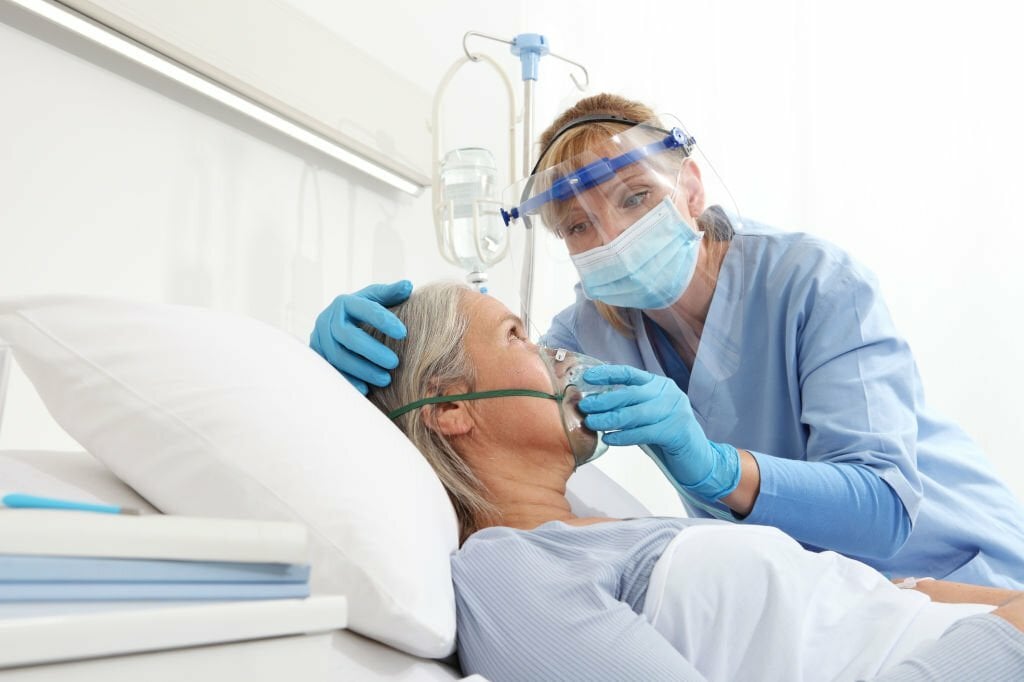
A Respiratory Therapist is a certified health professional specializing in the evaluation, treatment, and care of patients with breathing or other cardiopulmonary disorders. They play a critical role in the healthcare sector, providing vital respiratory care to patients ranging from premature infants with undeveloped lungs to elderly patients suffering from lung disease.
Respiratory Therapists are trained to administer oxygen, aerosol-based medications, manage mechanical ventilators, perform lung function tests, and provide treatment that helps patients recover lung function.
Training Requirements
To become a Respiratory Therapist, one must complete a Respiratory Therapy program approved by the Commission on Accreditation for Respiratory Care (CoARC). These programs typically lead to an associate's or bachelor's degree in Respiratory Therapy. Some of the general prerequisites for admission into a Respiratory Therapy program may include:
-
High School Diploma or GED
-
Minimum GPA requirement
-
Prerequisite coursework in subjects such as biology, chemistry, math, and English
Post-secondary education in Respiratory Therapy generally covers topics in:
-
Human anatomy and physiology
-
Chemistry
-
Physics
-
Microbiology
-
Pharmacology
-
Mathematics
What to Look for in a Class
When searching for a Respiratory Therapist class, it's important to consider several factors:
-
Accreditation: The program should be accredited by a recognized body such as the Commission on Accreditation for Respiratory Care (CoARC).
-
Curriculum: The curriculum should cover all necessary topics, including human anatomy and physiology, respiratory care procedures, clinical practice guidelines, and more.
-
Clinical Practice: Hands-on clinical experience is vital in this field. Ensure the program offers sufficient clinical practice hours.
-
Faculty: The faculty should have relevant experience in the field, and ideally, there should be a low student-to-teacher ratio.
-
Program Length: Consider how long you are willing to study. Programs typically range from 18 months to 4 years.
What to Expect from the Day-to-Day Class
Respiratory Therapist classes combine theoretical learning with hands-on practice. Students can expect the following in a typical day:
-
Lecture Sessions: These sessions cover the theoretical aspects of respiratory therapy, including human anatomy, physiology, and the principles of respiratory care.
-
Laboratory Practice: Practical skills are honed in the laboratory where students learn and practice procedures such as intubation, ventilation management, and cardiopulmonary resuscitation (CPR).
-
Clinical Rotations: These provide students with real-world experience in a healthcare setting under the supervision of experienced professionals.
What Does the Certification Process Look Like?
Upon completing a CoARC-accredited program, students are eligible to sit for the Certified Respiratory Therapist (CRT) examination, administered by the National Board for Respiratory Care (NBRC). After obtaining the CRT, therapists may further specialize and certify as a Registered Respiratory Therapist (RRT).
How to Find Related Jobs
Upon certification, Respiratory Therapists can work in various healthcare settings, including hospitals, nursing homes, outpatient care centers, and home healthcare services. Online job platforms, professional networking sites, and healthcare job fairs are excellent places to start the job search.
What Other Classes Can Someone Take After Becoming a Respiratory Therapist?
After becoming a Respiratory Therapist, individuals can further their education and skills in related fields. Some potential courses may include:
-
Advanced Cardiac Life Support (ACLS): This course equips healthcare professionals with the skills to manage cardiovascular emergencies.
-
Pediatric Advanced Life Support (PALS): This course focuses on the management of critically ill children and infants.
-
Neonatal Resuscitation Program (NRP): This course prepares healthcare professionals to manage neonatal patients during the first minutes of their life.
Continuing Education
Continuing education is crucial in any healthcare profession. Respiratory Therapists may consider pursuing further studies in areas such as health administration, public health, or education, allowing them to move into management or teaching roles.
Career Advancement
With experience and additional certifications, Respiratory Therapists can advance to supervisory or managerial roles. They may also choose to specialize in areas such as neonatal, pediatric, or cardiopulmonary care.
Additional Certifications
Respiratory Therapists can also enhance their credentials by obtaining additional certifications such as the Sleep Disorders Specialist (SDS) or Adult Critical Care Specialist (ACCS) certifications offered by the NBRC.
Networking
Joining professional organizations can provide opportunities for networking, continuing education, and staying updated with the latest trends in respiratory care. The American Association for Respiratory Care (AARC) is one such organization.
Final Thoughts
Respiratory Therapists play a critical role in healthcare, providing specialized care to patients with respiratory disorders. The journey to becoming a Respiratory Therapist requires commitment and dedication, but the reward is a fulfilling career in a field that truly makes a difference in people's lives.
So, if you're in Virginia Beach and wondering, ""where can I find Respiratory Therapist classes near me?"" we hope this guide has provided you with some valuable insights. Don't let the process overwhelm you. Take one step at a time, and before you know it, you'll be well on your way to a rewarding career in respiratory therapy.
With Dreambound, find comprehensive guides that make starting in this field easier, each suited to a specific city. If you've planned a move or are doing research for another vocation, our other guides may be able to help.
- How to Become a Respiratory Therapist in District of Columbia
- How to Become a Respiratory Therapist in Kansas
- How to Become a Respiratory Therapist in Missouri
- How to Become a Respiratory Therapist in New York
- How to Become a Respiratory Therapist in Texas
Weighing the possibilities of a career shift ? Dreambound has written many extensive guides to guide you in making informed decisions. Check out some of these resources below: