Respiratory Therapist schools near me in Memphis

Introduction
Are you considering a career in the healthcare industry, specifically as a Respiratory Therapist, and live in or near Memphis? This guide will provide you with all the information you need to find the perfect class for you.
What is a Respiratory Therapist?
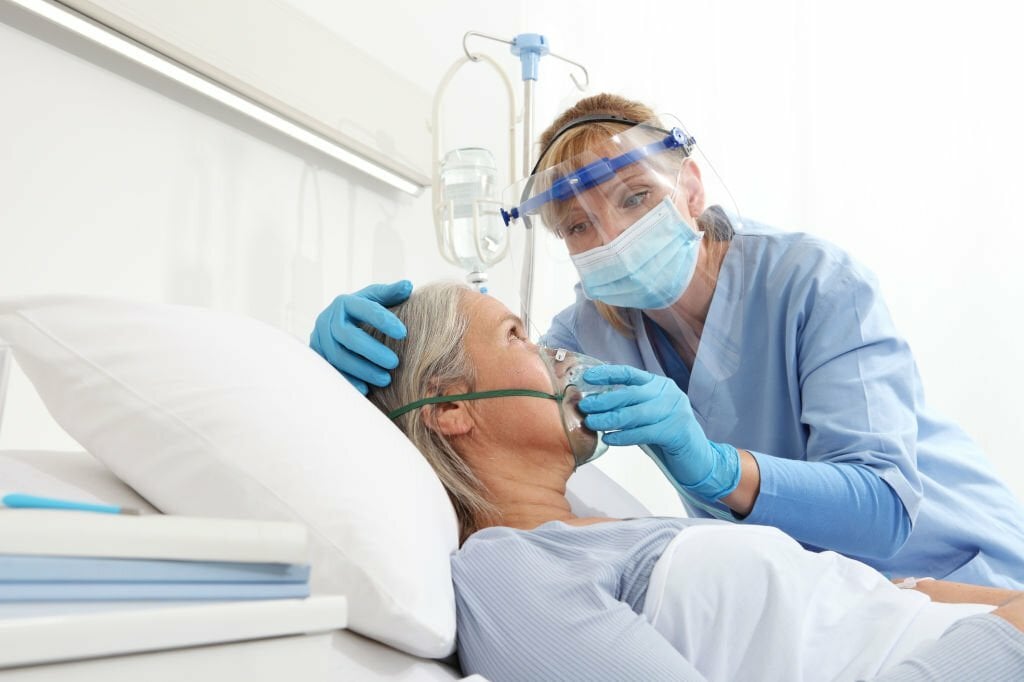
A Respiratory Therapist is a specialized healthcare professional who is trained to evaluate, diagnose, treat, and care for patients with breathing or cardiopulmonary disorders. From infants born prematurely with underdeveloped lungs to elderly patients suffering from lung disease, Respiratory Therapists are vital members of the healthcare team.
Respiratory Therapist Training Requirements
Becoming a Respiratory Therapist requires a minimum of an Associate's degree in Respiratory Therapy. Some of the courses you can expect to take include:
-
Anatomy and Physiology
-
Microbiology
-
Chemistry
-
Pharmacology
-
Mathematics
After completing the academic requirements, you will need to complete a clinical rotation to gain hands-on experience in a real-world medical setting.
What to Look for in a Class
When searching for a Respiratory Therapist class, consider the following factors:
-
Accreditation: Ensure the school or program is accredited by an appropriate body, such as the Commission on Accreditation for Respiratory Care (CoARC).
-
Curriculum: Check if the curriculum covers all the necessary areas, including clinical practice.
-
Class Size: Smaller class sizes may offer more personalized attention from instructors.
-
Location: If you live in Memphis, consider schools in or near the area for convenience.
What to Expect from Day-to-Day Classes
Day-to-day classes for future Respiratory Therapists will typically involve both classroom learning and practical training. Topics may include:
-
Patient Assessment
-
Cardiopulmonary Resuscitation (CPR)
-
Mechanical Ventilation
-
Neonatal and Pediatric Care
-
Pulmonary Rehabilitation
The Certification Process
After completing your education and clinical rotation, you will need to pass a national exam to become a Certified Respiratory Therapist (CRT). This exam is administered by the National Board for Respiratory Care (NBRC). After becoming a CRT, you may choose to take an additional exam to become a Registered Respiratory Therapist (RRT).
Finding Related Jobs
Once you've completed your training and certification, you can start looking for jobs in various healthcare settings such as hospitals, nursing homes, outpatient care centers, and home health care services.
Other Classes to Consider
After becoming a Respiratory Therapist, you may want to consider furthering your education with these related courses:
-
Advanced Cardiac Life Support (ACLS)
-
Pediatric Advanced Life Support (PALS)
-
Neonatal Resuscitation Program (NRP)
Additional Topics
Here are additional topics that can be useful for potential Respiratory Therapists in Memphis:
-
Continuing Education: To maintain your certification and stay updated with the latest in respiratory care, you'll need to pursue continuing education. This can be accomplished through seminars, workshops, online courses, or additional schooling.
-
Networking and Professional Organizations: Joining professional organizations, such as the American Association for Respiratory Care (AARC), can provide networking opportunities and access to resources.
-
Specializations: After gaining experience, Respiratory Therapists may choose to specialize in areas such as neonatal/pediatric care, critical care, pulmonary rehabilitation, or sleep disorders.
-
Career Advancement: With further education and experience, Respiratory Therapists can advance to supervisory or managerial roles, become educators, or work in research or sales.
Final Thoughts
A career as a Respiratory Therapist can be rewarding and fulfilling, offering you the chance to make a significant impact on patients' lives. Remember, the journey starts with finding the right class. Platforms like Dreambound provide a wealth of information to help you make an informed decision.
As you consider your options, remember to look for accredited programs, consider the curriculum and location, and take into account the day-to-day expectations of the class. With proper education and certification, a world of opportunity awaits in the field of respiratory therapy.
Dreambound has an extensive collection of guides that dive deep into how to get started in the field, tailored for various cities. For those based in different locations or planning to move, we recommend exploring our other guides.
- How to Become a Respiratory Therapist in California
- How to Become a Respiratory Therapist in Illinois
- How to Become a Respiratory Therapist in Michigan
- How to Become a Respiratory Therapist in North Dakota
- How to Become a Respiratory Therapist in Vermont
Pondering a shift in your career path or exploring different professional avenues? Dreambound has created detailed guides to support you in making informed decisions: