Respiratory Therapist schools near me in Buffalo
Introduction
Are you looking to start a fulfilling career in healthcare? If so, becoming a Respiratory Therapist is a promising path. This blog post will guide you through the process of finding the right respiratory therapist classes near you in Buffalo. We will cover what a Respiratory Therapist is, the training requirements, what to look for in a class, and more. The information provided here is tailored to help you make an informed decision about your future career.
What is a Respiratory Therapist?
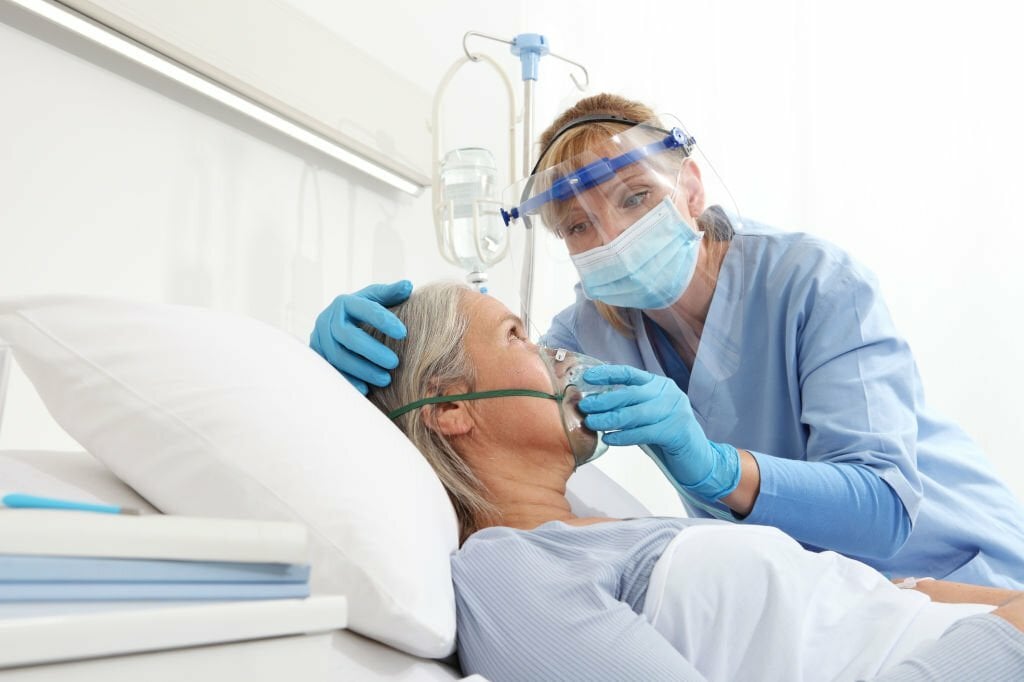
Respiratory Therapists are healthcare professionals who specialize in the assessment and treatment of patients with respiratory disorders. They work in a variety of healthcare settings, including hospitals, nursing homes, and outpatient clinics, providing care to patients of all ages, from newborns to the elderly. Their work often involves the use of specialized equipment to administer treatments and monitor patient progress.
Training Requirements
Before you can become a Respiratory Therapist, you will need to complete a specialized training program. These programs are typically offered at community colleges, technical schools, and some universities. The curriculum generally includes both classroom learning and clinical practicum experiences. Here are some of the key areas of study:
-
Anatomy and physiology
-
Pharmacology
-
Pathology of the pulmonary system
-
Respiratory therapy techniques
-
Patient assessment and care
While exact course requirements can vary, this list provides a general overview of what you can expect.
What to Look for in a Class
When searching for respiratory therapist classes in Buffalo, there are several important factors to consider:
-
Accreditation: Ensure the program is accredited by a recognized accrediting body. This ensures the quality of the program and its compliance with industry standards.
-
Curriculum: The program should offer a comprehensive curriculum that covers all aspects of respiratory therapy.
-
Clinical Experience: Hands-on clinical experience is crucial for developing practical skills.
-
Success Rates: Consider the program's success rates, such as the percentage of students who pass the certification exam and find employment in the field.
What to Expect from the Day-to-Day Class
Day-to-day classes for respiratory therapy can be quite dynamic, as they involve both theoretical and practical learning. Here are a few things to expect:
-
Lectures: These will cover a range of topics, such as anatomy and physiology, respiratory diseases, and treatment techniques.
-
Lab Sessions: Here, you'll get the chance to practice techniques and procedures using specialized equipment.
-
Clinical Rotations: These provide valuable real-world experience in a healthcare setting under the supervision of experienced professionals.
What Does the Certification Process Look Like?
After completing your training program, the next step is to become certified. The certification process typically involves passing an exam administered by the National Board for Respiratory Care (NBRC). After passing this exam, you'll earn the Certified Respiratory Therapist (CRT) credential.
How to Find Related Jobs
Once you've become a certified Respiratory Therapist, the next step is to find a job. Many hospitals, clinics, and other healthcare facilities in Buffalo hire respiratory therapists. Networking with professionals, attending job fairs, and leveraging online job boards can be effective strategies for job hunting.
What Other Classes Someone Can Take After Becoming a Respiratory Therapist
How to Balance Work, Life, and Education
Pursuing an education while managing work and personal responsibilities can be challenging. Here are some tips to help:
-
Time Management: Effective time management skills can help you juggle your responsibilities.
-
Online Learning: Consider online programs that offer flexible scheduling options.
-
Support: Seek support from your family, friends, and fellow students.
The Importance of Continued Learning
The field of respiratory therapy is continually evolving, with new treatments and technologies being developed. Continued learning is crucial to keep your skills and knowledge up-to-date. This can involve attending workshops, seminars, and conferences, as well as pursuing additional certifications.
Networking Opportunities
Networking is an essential part of any career, including respiratory therapy. Joining professional organizations and attending industry events can help you connect with other professionals, learn about job opportunities, and stay informed about industry trends.
How to Choose the Right Path
Choosing the right career path can be a daunting task. Consider your interests, skills, and career goals when deciding on a path. Make use of resources like Dreambound to gather information about different careers and training programs.
Final Thoughts
Becoming a Respiratory Therapist can open the door to a rewarding career in healthcare. With the right training, certification, and commitment to continued learning, you can make a significant impact on the lives of patients. Remember, the journey to becoming a Respiratory Therapist is a fulfilling one, and the first step is finding the right class in Buffalo. Good luck on your journey!
Dreambound simplifies your start in this field with tailored guides for various cities. If life takes you elsewhere or you're thinking about a move, our other guides can help you figure out what to expect.
- How to Become a Respiratory Therapist in Florida
- How to Become a Respiratory Therapist in Maine
- How to Become a Respiratory Therapist in Minnesota
- How to Become a Respiratory Therapist in Ohio
- How to Become a Respiratory Therapist in Washington
Thinking about making a big change in your career path? It's important to be well-informed before starting off on your journey. Dreambound has written hundreds of in-depth guides to help. Explore some of these resources below.