Radiology Technician Classes Near Me in Virginia Beach
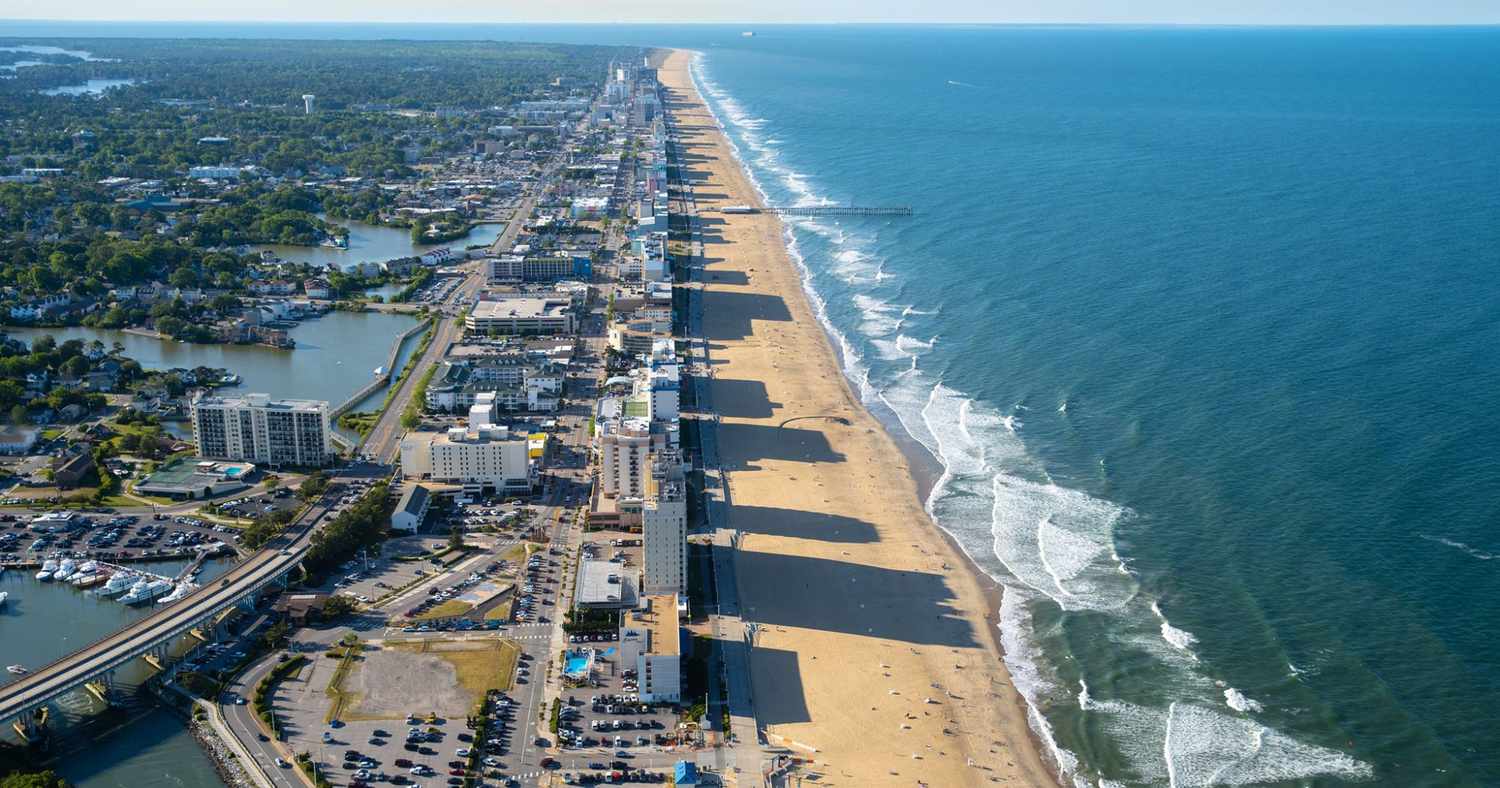
Radiology technician training near Virginia Beach runs through accredited radiography programs across the Hampton Roads region, which spans Virginia Beach, Chesapeake, and Norfolk, followed by American Registry of Radiologic Technologists (ARRT) certification. Radiologic technologists in the Virginia Beach-Chesapeake-Norfolk metro earn a median of $77,290 a year, or $37.16 an hour, according to May 2025 BLS data. Virginia licenses radiologic technologists through the Board of Medicine, but those working for a hospital, health care system, or affiliated urgent care center are exempt from that license. Training usually takes about two years and combines classroom, laboratory, and supervised clinical work. Knowing when the state license applies before choosing a program can save time later.
Key Points
- Radiologic technologists in the Virginia Beach metro earn a median of $77,290 a year, based on May 2025 BLS data, slightly below the $80,110 national median.
- Virginia licenses radiologic technologists through the Board of Medicine, but those working for hospitals, health care systems, and affiliated urgent care centers are exempt from that requirement.
- Employers generally expect ARRT certification, whether or not the state license applies to the role.
- Radiography programs in the Hampton Roads area commonly take around two years and lead to an associate degree.
- The national outlook for radiologic technologists is 4% growth from 2024 to 2034, a steady pace.
Radiologic Technology Programs Near Virginia Beach
Radiography training near Virginia Beach means an accredited associate-degree program, which commonly takes around two years and combines classroom, laboratory, and supervised clinical work at Hampton Roads hospitals. When you compare programs, confirm the program meets ARRT eligibility requirements. JRCERT accreditation is one widely recognized way to verify that, but it is not the only route ARRT accepts. Fully online radiography programs are uncommon, since the field requires supervised clinical hours on real equipment, though some programs deliver coursework in a hybrid format.
Dreambound lets you compare radiology technician programs by format and location, so you can line up what is available near you and see which ones fit your schedule.
Virginia Radiologic Technologist License Requirements
Virginia regulates radiologic technology through the Virginia Board of Medicine, but whether you need a license depends on where you work. Technologists working within the scope of employment for a hospital, health care system, or affiliated urgent care center are exempt from the state license. Those practicing outside those settings, such as at some independent imaging centers or physician offices, generally need a Virginia license. Either way, employers commonly expect ARRT certification.
When the license applies, the standard route for a radiographer is to complete a program acceptable for ARRT eligibility, earn ARRT Radiography certification, and apply to the Board of Medicine. Apply early and plan to have your license before starting nonexempt work.
Virginia recognizes three license categories: radiologic technologist, radiologic technologist-limited, and radiologist assistant. The limited license authorizes radiographic procedures only in the anatomical areas a person qualifies for, and most limited applicants must pass the ARRT-administered Limited Scope of Practice in Radiography exam, which is a state licensing exam separate from full ARRT certification.
Licenses renew every two years during the licensee's birth month in odd-numbered years. The current full-license renewal fee is $135 as of 2026, and the limited license renews at $70.
Radiology Technician Salary in the Virginia Beach Metro
Radiologic technologists in the Virginia Beach-Chesapeake-Norfolk metro earn a median of $77,290 a year, or $37.16 an hour, based on May 2025 BLS data. That is about $2,820 below the national median of $80,110 for the occupation.
Nationally, employment is projected to grow 4% from 2024 to 2034. Major healthcare employers across the Hampton Roads area include Sentara Health, which operates Sentara Norfolk General and Sentara Virginia Beach General, along with Bon Secours and Naval Medical Center Portsmouth.
Radiology technology also drew substantial interest among students weighing healthcare paths in 2025. It entered the top five most-saved programs on Dreambound's 2025 Student Choice and Interest Report for the first time that year, with 1,126 saves, placing it among the healthcare paths students most actively compared on the platform.
If these numbers fit your plans, compare radiology technician programs near you on Dreambound by format and location.
How to Become a Radiology Technician Near Virginia Beach
Becoming a radiology technician in Virginia follows a few main steps, though hospital and health-system roles may not require the state license.
- Earn a high school diploma or GED, and complete the admission prerequisites your chosen program requires, which may include math and science courses.
- Complete a radiography program that meets ARRT eligibility, usually an associate degree with supervised clinical rotations.
- Pass the ARRT certification exam in radiography.
- If your role falls outside the hospital and health-system exemption, apply to the Virginia Board of Medicine for a license.
Training commonly takes about two years of full-time study. After graduation, allow additional time for the ARRT exam and, when required, Virginia license processing, which varies based on documentation and outside verification.
Frequently Asked Questions
Do you need a state license to work as a radiology technician in Virginia?
Not always. Virginia licenses radiologic technologists through the Board of Medicine, but technologists working for a hospital, health care system, or affiliated urgent care center are exempt. A license is generally required for practice outside those settings, and employers usually expect ARRT certification either way.
Do Virginia radiologic technologists need continuing education to renew?
Yes. Full license holders complete 24 hours of continuing education every two years, including at least 12 Category A hours, and renew through the Virginia Board of Medicine. The limited license requires 12 Category A hours tied to the procedures you are approved to perform.
What can a radiologic technologist-limited license cover in Virginia?
A Virginia limited license authorizes radiographic procedures only in the anatomical areas a person qualifies for. Those areas include chest and thorax, abdomen and pelvis, skull and sinuses, spine, extremities, bone density, chiropractic, and podiatry. It does not cover the full range a general radiographer performs.
Are there online radiology technician programs for Virginia Beach students?
Fully online radiography programs are rare because the field requires supervised clinical hours on real equipment. Some programs offer hybrid coursework with in-person clinical rotations at local hospitals. You can compare program formats near you on Dreambound.
Planning Your Radiology Technician Training in Virginia
Virginia's licensing rules are the piece most "near me" searches skip. The Board of Medicine licenses radiologic technologists, but hospital and health-system roles, which are common across Hampton Roads, are exempt, so the license matters most for work outside those settings. Sorting out whether your target job needs the license before you pick a program keeps your plan on track.
Radiology technology drew substantial interest among students weighing healthcare paths in 2025. Compare radiology technician programs near you on Dreambound by format and location to find one that fits your schedule and your license situation.