Financial aid (may be available)
Financial aid (may be available)

No cost info

No cost info
No cost info
No cost info
No cost info

Financial aid (may be available)
$40 total
$125 total
No cost info
No cost info
Financial aid (may be available)
No cost info
Miami, Florida, is a vibrant and thriving city that offers promising job opportunities for aspiring radiology technicians. The city's booming healthcare industry and growing population have created a high demand for skilled radiology professionals. If you're interested in becoming a radiology technician and earning a competitive radiology technician salary, there are several radiology technician schools in the Miami area that can help you achieve your goals. Whether you're looking to attend in-person classes or explore online options, Miami has a variety of programs to choose from.
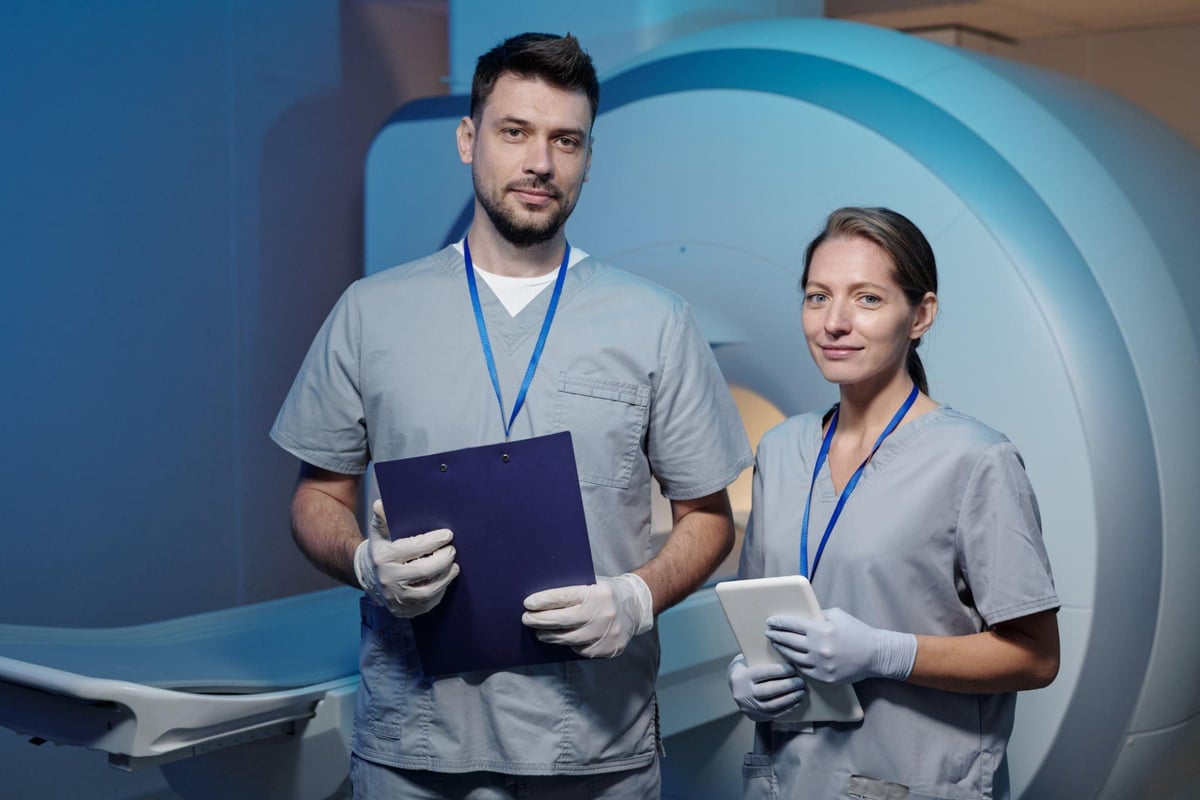
A radiology technician, also known as a radiologic technologist, is a healthcare professional who operates medical imaging equipment, such as X-rays, CT scans, and MRI machines. They are responsible for positioning patients, adjusting the equipment, and capturing high-quality images that can be used by physicians to diagnose and treat various medical conditions.
To become a radiology technician, individuals typically need to complete a postsecondary education program, such as an associate's degree or a certificate program. These programs usually take between 18 and 24 months to complete and cover topics such as anatomy, patient care, radiation safety, and image processing.
In Miami, the fastest way to become a radiology technician is to enroll in a certificate program. These programs can be completed in as little as 12 to 18 months and provide the necessary training and education to become a certified radiology technician. Some of the local colleges and vocational schools in Miami that offer these accelerated programs include:
Miami is home to several excellent radiology technician schools that offer a variety of classes and programs. Here are a few examples:
There are some online options available for individuals interested in becoming a radiology technician in Miami. While the majority of radiology technician programs require hands-on clinical training, some schools offer hybrid or online-based programs that allow students to complete the didactic portion of the curriculum online and then participate in in-person clinical rotations.
One example of an online option in Miami is the Radiologic Technology program offered by Miami Dade College. This program allows students to complete the general education and core radiologic technology courses online, while the clinical components are conducted in-person at approved healthcare facilities.
Unfortunately, there are no free radiology technician programs available in Miami. Radiology technician education and training programs typically require significant financial investment, as they involve both classroom instruction and hands-on clinical experiences.
However, there are some financial aid options available to help offset the cost of radiology technician education. These include federal and state grants, student loans, and scholarships. Additionally, some healthcare facilities in Miami may offer tuition reimbursement or loan forgiveness programs for employees who pursue radiology technician training.
In order to become a certified radiology technician in Miami, individuals must pass the American Registry of Radiologic Technologists (ARRT) certification exam. This exam covers a wide range of topics, including radiation protection, patient care, and image production and evaluation.
To be eligible to sit for the ARRT exam, candidates must have completed an accredited radiology technician education program and meet the ARRT's ethical standards. Once they have passed the exam, they will receive their ARRT certification, which is required for employment as a radiology technician in most healthcare settings.
The job environment for radiology technicians in Miami is quite promising. The city's growing population and thriving healthcare industry have created a high demand for skilled radiology professionals.
Some of the potential employers for radiology technicians in Miami include:
These healthcare organizations offer a variety of job opportunities for radiology technicians, ranging from hospitals and outpatient clinics to imaging centers and specialty practices.
Becoming a radiology technician in Miami can be a rewarding and fulfilling career path. With the city's growing healthcare industry and the availability of quality radiology technician schools, there are ample opportunities for individuals to receive the necessary training and education to become certified radiology technicians. Whether you choose to attend in-person classes or explore online options, Miami has the resources and job prospects to help you succeed in this dynamic and in-demand field.
If you've been inspired to follow the path of a Phlebotomist but geography isn't on your side, worry not. Your aspiration to become a Phlebotomist is within reach in. For those who don't find these options feasible, Dreambound enables you to effortlessly find and evaluate Phlebotomy classes by simply searching with a zip code. Armed with determination and Dreambound, anyone, anywhere, can achieve a career in healthcare.
Dreambound's platform allows prospective students to find the right educational program for them through searching, filtering, and connecting with our extensive selection of career & technical education partners.
Dreambound has over 70 programs across healthcare, technology, business, and industrial trades. This includes programs such as Medical Billing, Cybersecurity, and welding.
Some of our schools offer financial aid for those who qualify. Many others offer payment plans, where you can pay the cost of class over time.
Yes, Dreambound offers many online programs. On Dreambound's search, you can filter by online, in-person, and hybrid (part online, part in-person).
Dreambound is completely free for you to use! We are supported by schools and organizations who pay to advertise on our website, so we can offer all of our career resources for free.