Pediatric Advanced Life Support classes near me in Stockton

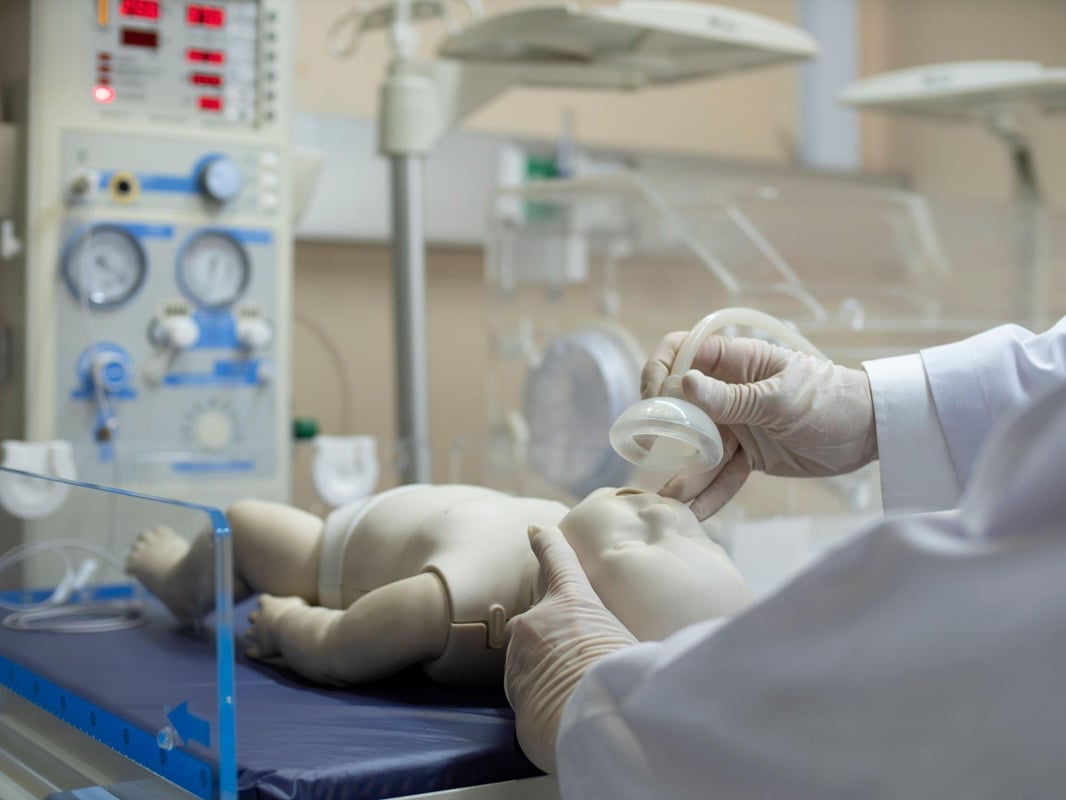
In today’s world, medical emergencies can occur anywhere and at any time, especially when it comes to children. Being equipped with the right skills and knowledge can make all the difference. One of the most essential certifications for healthcare professionals working with pediatric patients is Pediatric Advanced Life Support (PALS).
If you’re based in Stockton or nearby areas and looking to take a PALS class, this guide will walk you through what the training covers, its requirements, how to find the best programs, and the career opportunities that come with certification.
Key Points
- PALS is a specialized certification for healthcare professionals managing pediatric emergencies.
- Training follows American Heart Association (AHA) guidelines.
- Certification requires both written and practical exams and must be renewed every two years.
- Stockton offers several accredited options for in-person and blended learning.
- PALS certification can expand your career opportunities in hospitals, clinics, and emergency care settings.
What is a Pediatric Advanced Life Support?
Pediatric Advanced Life Support (PALS) is a certification program that trains healthcare providers to respond to life-threatening emergencies in infants and children. Developed by the American Heart Association (AHA), the course emphasizes evidence-based interventions for pediatric emergencies.
PALS focuses on:
- Rapid assessment of pediatric emergencies
- Airway and respiratory management
- Recognition and treatment of shock and cardiac arrest
- Post-resuscitation care and team communication
In short, PALS equips you to provide high-quality, organized care during pediatric emergencies.
Training Requirements
To enroll in a PALS course in Stockton, students must meet the following prerequisites:
- Professional Background: You must be a licensed healthcare provider or a student in a healthcare program.
- Prior Knowledge: Understanding of pediatric basic life support (BLS) and CPR is required.
- BLS Certification: Most programs require a current AHA Basic Life Support (BLS) certification before enrolling.
- Clinical Readiness: Participants should be familiar with ECG interpretation, pharmacology, and basic patient assessment.
These requirements ensure that students can fully engage in the advanced scenarios presented in the PALS course.
What to Look for in a Class
When searching for “PALS classes near me in Stockton,” focus on these essential factors:
- AHA Authorization: Choose a course accredited by the American Heart Association to ensure national recognition.
- Qualified Instructors: Look for instructors with real-world experience in pediatrics or emergency care.
- Hands-On Practice: Select programs that emphasize simulation-based training and practical application.
- Small Class Sizes: Smaller groups allow for personalized feedback and better learning outcomes.
- Comprehensive Curriculum: The course should include pediatric assessment, respiratory emergencies, shock management, and effective team leadership during resuscitation.
What to Expect from the Day-to-Day Class
PALS training combines classroom instruction, video-based learning, and hands-on skills practice.
A typical course includes:
- Recognition and Treatment: Learn to identify and manage respiratory distress, shock, and cardiac arrest in children.
- Systematic Approach: Apply a step-by-step process for pediatric emergency assessment and intervention.
- Airway Management: Practice opening airways, providing ventilations, and using advanced airway devices.
- Cardiac Care: Perform defibrillation, synchronized cardioversion, and administer medications safely.
- Team Dynamics: Learn how to effectively communicate as both a team leader and a member during emergencies.
By the end of the course, you’ll feel confident handling critical pediatric cases in real-world medical settings.
What Does the Certification Process Look Like?
To become a certified PALS provider, you’ll need to:
- Complete an AHA-approved PALS course (typically 12–16 hours of instruction).
- Pass a written exam that tests your theoretical understanding of pediatric emergencies.
- Demonstrate practical competency in simulated scenarios, including airway management, CPR, and rhythm recognition.
Upon successful completion, you’ll receive a PALS Provider Card from the American Heart Association, valid for two years.
After expiration, you can renew your credentials by completing a PALS Renewal Course and retaking both the written and practical assessments.
How to Find Related Jobs
Earning your PALS certification can open doors to specialized healthcare roles that require advanced pediatric emergency skills.
You can find opportunities in:
- Hospitals and Emergency Departments
- Pediatric Clinics and Urgent Care Centers
- Ambulance and EMS Agencies
- Schools and Community Health Programs
Advanced Classes After PALS Certification
Once you’re certified, you can continue growing your professional skill set with advanced medical training courses such as:
- Advanced Cardiovascular Life Support (ACLS): Focuses on adult cardiac emergencies.
- Neonatal Resuscitation Program (NRP): Specializes in resuscitation techniques for newborns.
- Emergency Pediatric Care (EPC): Provides advanced training for paramedics and first responders.
- Pediatric Emergency Assessment, Recognition, and Stabilization (PEARS): Designed for healthcare providers who infrequently care for critically ill children.
Each of these certifications builds upon your PALS foundation and broadens your clinical expertise.
Additional Opportunities in Stockton
Stockton has a wide variety of healthcare training programs for those looking to expand their careers beyond PALS.
Some recommended options include:
- Medical Assistant Programs in California: Gain administrative and clinical skills to work in medical offices and clinics.
- Pharmacy Technician Programs in California: Learn the fundamentals of medication dispensing and patient safety.
- Respiratory Therapist Training in California: Train to assist patients with breathing difficulties in hospitals and clinics.
The Importance of Continuing Education
Healthcare is a constantly evolving field. Staying current with new procedures, medications, and technologies is essential for providing quality care. Continuing education ensures you remain confident and competent especially in life-saving fields like pediatric care.
Renew your certifications regularly, attend workshops, and keep learning through advanced programs that align with your career goals.
Final Thoughts
Enrolling in PALS classes in Stockton is one of the most impactful steps you can take in your healthcare career. The training not only enhances your clinical competence but also prepares you to make a difference in high-pressure pediatric emergencies.
Choose an AHA-accredited provider, commit to mastering both the theory and hands-on skills, and you’ll walk away ready to save lives.
Dreambound has a bunch of guides about starting in this field, with specific ones for different cities. If you're not in this city or are thinking about moving, check out some other guides below:
- How to Become a Pediatric Nurse in Alaska
- How to Become a Pediatric Nurse in Iowa
- How to Become a Pediatric Nurse in Maryland
- How to Become a Pediatric Nurse in North Carolina
- How to Become a Pediatric Nurse in Utah
Thinking about a potential career transition? Dreambound offers detailed guides to help you with making an informed decision. Dive in below: