Pediatric Advanced Life Support classes near me in Minneapolis

Introduction
Whether you are a healthcare professional seeking to enhance your skills, or a medical student looking for valuable certifications, Pediatric Advanced Life Support (PALS) classes could be a wonderful stepping stone in your career. This blog post aims to provide comprehensive information about PALS classes in Minneapolis, helping you find the most suitable ones for your needs.
What is Pediatric Advanced Life Support?
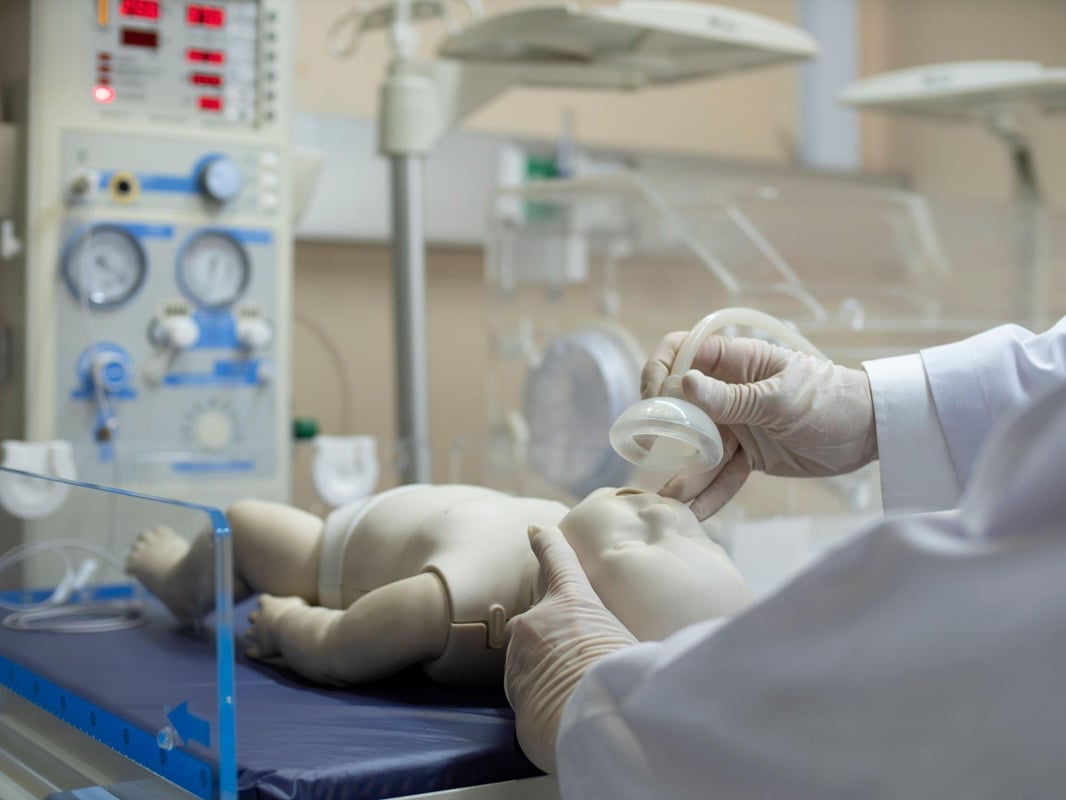
Pediatric Advanced Life Support, or PALS, is a certification program that equips healthcare professionals with the skills and knowledge necessary to respond to critical situations involving children and infants. The program covers a variety of scenarios, such as cardiac arrest, respiratory distress, and shock. Earning a PALS certification can enhance a healthcare professional's capabilities and make them a more valuable asset in emergency medical situations.
Training Requirements
The PALS certification program is specifically designed for healthcare professionals who are directly involved in the administration of advanced life support in pediatric emergencies. This includes:
-
Nurses
-
Doctors
-
Paramedics
-
Respiratory therapists
Before enrolling in a PALS class, applicants typically need to have a valid Basic Life Support (BLS) certification and, in some cases, a working knowledge of cardiac rhythm interpretation. It's also essential to have a good understanding of the standard emergency medical equipment used in pediatric care.
What to Look for in a Class
When searching for a PALS class in Minneapolis, there are several factors to consider:
-
Accreditation: Ensure the course is accredited by a reputable organization, such as the American Heart Association (AHA).
-
Curriculum: Check if the course curriculum covers all necessary areas of pediatric advanced life support, including cardiac and respiratory emergencies, pediatric assessment, effective resuscitation, and team dynamics.
-
Instructors: Look for experienced instructors with real-world knowledge of pediatric emergencies.
What to Expect from the Day-to-Day Class
A typical PALS course in Minneapolis may last two days, with each day consisting of a mix of lectures, demonstrations, and hands-on practice. The day-to-day class might involve:
-
Learning about the systematic approach to pediatric assessment.
-
Practicing effective resuscitation techniques and improving team dynamics.
-
Engaging in simulated pediatric emergencies to apply what you've learned.
The Certification Process
After completing the PALS course, candidates must pass a written and practical examination to earn their certification. The practical exam usually involves a simulated pediatric emergency where candidates must demonstrate their skills in real-time. Successful candidates receive their PALS certification, which is typically valid for two years.
How to Find Related Jobs
Once you're a PALS certified professional, you can explore various job roles in healthcare settings such as hospitals, clinics, and emergency medical services. These roles may include pediatric nurse, paramedic, emergency room doctor, and more. A great place to start your job search is the Dreambound platform, which provides comprehensive information about vocational training programs.
What Other Classes Can Someone Take After Becoming a PALS Certified?
After obtaining a PALS certification, healthcare professionals can further enhance their skills by pursuing additional certifications such as:
-
Advanced Cardiovascular Life Support (ACLS)
-
Neonatal Resuscitation Program (NRP)
-
Emergency Pediatric Care (EPC)
More About PALS Classes in Minneapolis
Minneapolis offers numerous PALS classes, each with its unique approach and benefits. Some classes might focus more on hands-on training, while others may emphasize theoretical knowledge. Here are a few additional points to consider:
-
Class Size: Smaller classes may offer more personalized instruction, while larger classes might provide more opportunities for group activities and team-based learning.
-
Course Duration: While most PALS courses last two days, some may be longer or shorter depending on the depth of the curriculum and the pace of instruction.
-
Recertification: Since PALS certification needs to be renewed every two years, consider choosing a training center that offers recertification courses.
Exam Preparation Tips
To prepare for the PALS certification exam, consider the following tips:
-
Review the Course Material: Regularly review the course material to reinforce your understanding of the concepts.
-
Practice Simulations: Participate in as many simulation exercises as possible to build confidence and improve your practical skills.
-
Study Groups: Joining a study group can be very beneficial, as it allows for collaborative learning and the sharing of different perspectives.
PALS Class Locations in Minneapolis
There are several locations in Minneapolis where you can find PALS classes. Some popular locations include:
-
Medical centers and hospitals
-
Community colleges
-
Vocational training centers
Final Thoughts
Pursuing a PALS certification in Minneapolis can open the door to numerous opportunities in the healthcare field. Not only does it equip you with the skills to effectively handle pediatric emergencies, but it also adds a valuable credential to your resume. Whether you're a seasoned professional or a student starting your career, a PALS certification can be a significant step towards reaching your career goals.
Remember, finding the right PALS class is crucial. Make sure to consider all factors and choose a class that best fits your learning style and career objectives. For more information on how to become a vital part of the healthcare field in Minneapolis, check out resources like how to become a respiratory therapist in Minnesota how to become a phlebotomist in Minnesota. These resources can provide you with a comprehensive overview of the healthcare landscape and the various roles you can play in it.
Dreambound has written many guides to help you understand what it takes to get this certification. If you're curious about the process or requirements in other states, check out our other guides below: