Logistics classes near me in Columbus
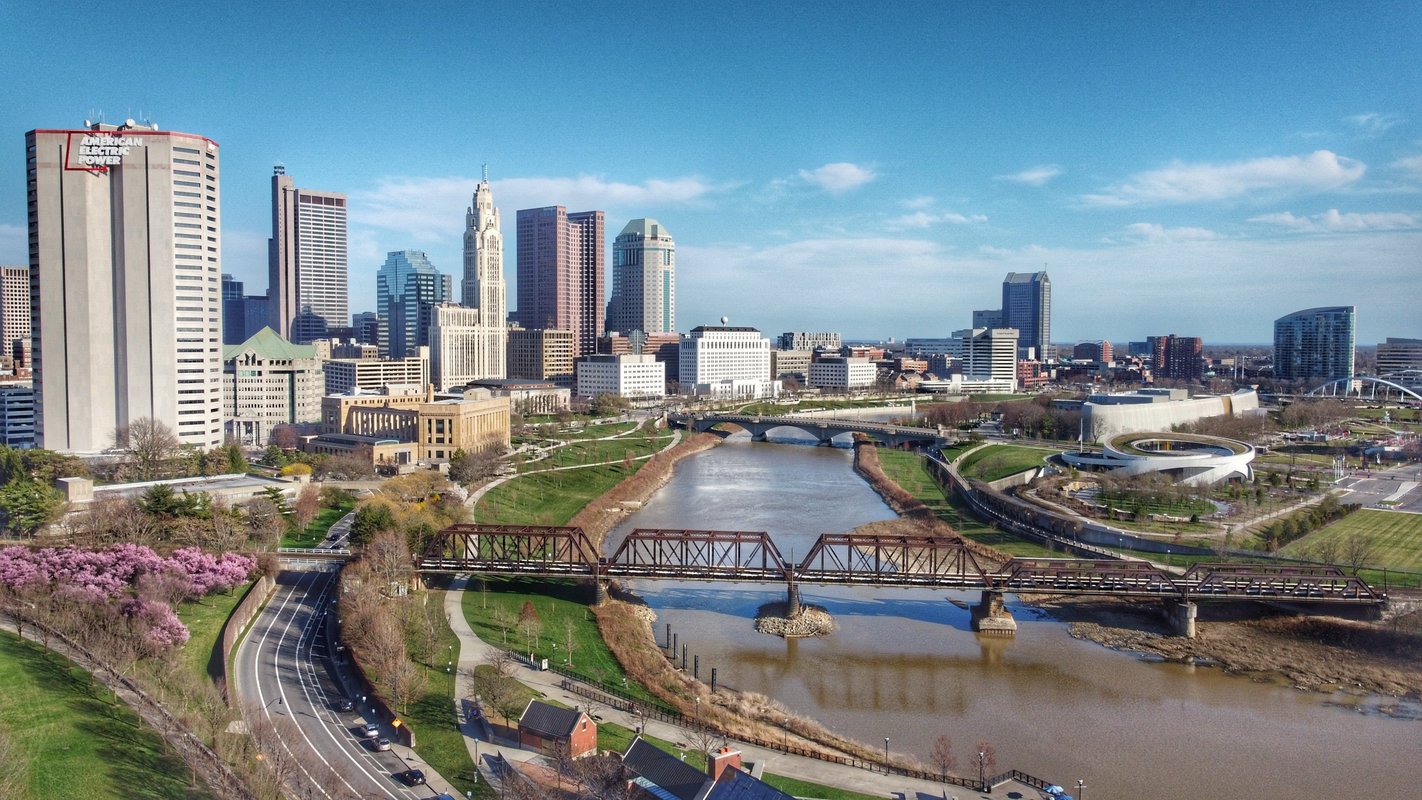

Logistics is a crucial aspect of any business or organization that involves the management of the flow of goods and services. It encompasses various activities such as transportation, warehousing, inventory control, and supply chain management. If you are interested in pursuing a career in logistics, there are several training programs available near you in Columbus. In this blog post, we will explore the different aspects of logistics training and provide you with some tips on how to find the best class for your needs.
Introduction
Logistics is the backbone of any business, ensuring that products and services are delivered efficiently and on time. It requires a combination of skills and knowledge in areas such as transportation, inventory management, and supply chain optimization. As the demand for logistics professionals continues to grow, many vocational training programs have emerged to meet the needs of aspiring students.
What is Logistics?
Logistics is the process of planning, implementing, and controlling the efficient and effective flow of goods and services from the point of origin to the point of consumption. It encompasses various activities such as transportation, warehousing, inventory management, and supply chain optimization. A career in logistics can be challenging but rewarding, as it offers opportunities for growth and advancement in a rapidly evolving field.
Training Requirements
Before enrolling in a logistics class, it is important to understand the training requirements for this field. While there are no specific educational prerequisites for entry-level positions, having a high school diploma or GED is typically preferred by employers. Additionally, some employers may require a bachelor's degree in business, supply chain management, or a related field for advanced positions.
What to Look for in a Class
When searching for logistics classes near you in Columbus, there are several factors to consider to ensure you find the best program for your needs. Here are some things to look for:
- Accreditation: Make sure the training program is accredited by a reputable organization. This ensures that the program meets certain quality standards and that the certificate or diploma you earn will be recognized by employers.
- Curriculum: Review the curriculum to ensure it covers all the essential topics in logistics, such as transportation management, inventory control, and supply chain optimization. Look for programs that offer hands-on training or internships to gain practical experience.
- Faculty: Research the qualifications and experience of the instructors. It is important to learn from industry professionals who have practical knowledge and experience in the field of logistics.
- Facilities and Resources: Visit the training facility if possible or research the resources available to students. Look for programs that have state-of-the-art equipment and technology to simulate real-world logistics scenarios.
What to Expect from the Day-to-Day Class
Logistics classes are designed to provide students with a comprehensive understanding of the field and the skills needed to succeed in a logistics career. Here are some things you can expect from your day-to-day class:
- Classroom Instruction: You will attend lectures and participate in discussions on various logistics topics, such as transportation management, inventory control, and supply chain optimization.
- Hands-on Training: Many logistics classes include hands-on training opportunities, such as simulations or case studies, to apply the concepts learned in the classroom to real-world scenarios.
- Group Projects: You may be assigned group projects to develop teamwork and collaboration skills, as logistics often involves working with a team to coordinate the flow of goods and services.
- Guest Speakers: Some logistics classes may invite guest speakers from the industry to share their insights and experiences, providing you with valuable networking opportunities.
Certification Process
After completing a logistics class, you may have the opportunity to earn a certification. Certification demonstrates your knowledge and skills in logistics and can enhance your employment prospects. The certification process typically involves the following steps:
- Eligibility: Check the eligibility requirements for the certification you are interested in. Some certifications may require a certain level of education or work experience.
- Preparation: Study the certification exam content outline and gather study materials. There are often resources available to help you prepare, such as study guides or online courses.
- Exam: Schedule and take the certification exam. The exam may be administered online or in a testing center and typically consists of multiple-choice questions.
- Renewal: Some certifications require periodic renewal to ensure that professionals stay up-to-date with the latest developments in the field. This may involve completing continuing education or retaking the exam.
Finding a Related Job
Once you have completed your logistics training and earned a certification, it's time to start searching for a job in the field. Here are some tips to help you find a related job:
- Networking: Reach out to professionals in the logistics industry through networking events or online platforms. They may be able to provide you with job leads or refer you to potential employers.
- Job Boards: Utilize online job boards to search for logistics positions. Some popular job boards for logistics professionals include Indeed, LinkedIn, and Glassdoor.
- Industry Associations: Joining industry associations, such as the Council of Supply Chain Management Professionals (CSCMP) or the International Society of Logistics (SOLE), can provide you with networking opportunities and access to job listings.
Other Classes to Consider
Once you have established a career in logistics, there are many other classes you can take to further expand your skills and knowledge. Here are some classes to consider:
- Supply Chain Management: This class focuses on the strategic coordination of the entire supply chain, from raw materials to finished products, to maximize efficiency and customer satisfaction.
- Inventory Control: This class delves into the methods and techniques used to manage and control inventory levels, ensuring that products are available when and where they are needed.
- Transportation Management: This class explores the various modes of transportation and the strategies used to optimize transportation operations, reduce costs, and improve delivery times.
Final Thoughts
Logistics is a dynamic and growing field that offers a wide range of career opportunities. By enrolling in a logistics class near you in Columbus, you can gain the skills and knowledge needed to succeed in this industry. Remember to consider factors such as accreditation, curriculum, and faculty when choosing a program. Dreambound is a valuable resource for finding vocational training programs like logistics classes in your area. Visit Dreambound to explore the options available to you and take the first step towards a rewarding career in logistics.
Dreambound has you covered with a series of detailed guides, each designed for a different city. And if you're elsewhere or considering a move, we've got more guides that might fit your needs.
- How to Become a Logistics Coordinator in Colorado
- How to Become a Logistics Coordinator in Idaho
- How to Become a Logistics Coordinator in New Hampshire
- How to Become a Logistics Coordinator in Rhode Island
- How to Become a Logistics Coordinator in Wyoming
Thinking about making a career switch? Dreambound has written thorough guides to help you understand different options available to you.