Logistics classes near me in Allentown
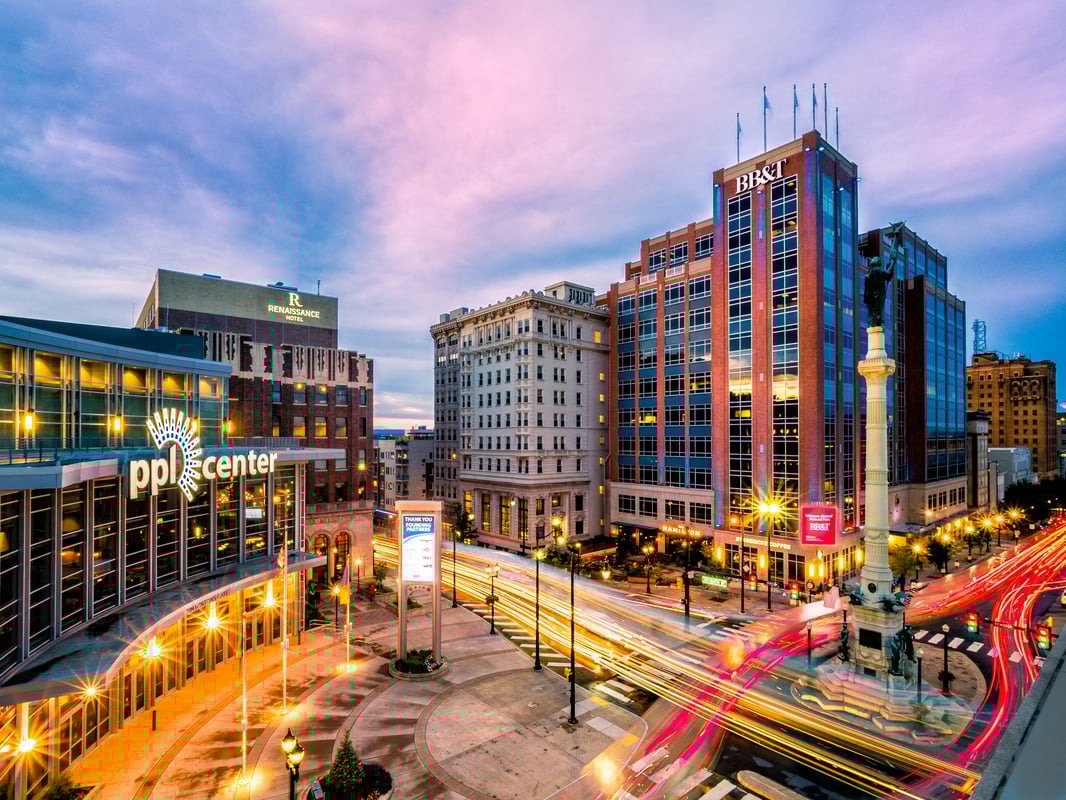

Logistics is a field that is in high demand, and for good reason. As the world becomes more interconnected, the need for skilled professionals who can manage the movement of goods and materials has never been greater. If you are interested in pursuing a career in logistics, you may be wondering where you can find classes near you in Allentown. In this blog post, we will explore the options available to you and provide some tips for finding the right logistics class.
Introduction
Before we dive into the details of logistics classes in Allentown, let's first define what logistics is. Logistics is the process of planning, implementing, and controlling the efficient and effective flow of goods and materials from point of origin to point of consumption. It involves a wide range of activities, including transportation, warehousing, inventory management, and customer service.
Training Requirements
To become a logistics professional, you will need to undergo some training. While there are no strict educational requirements for entry-level positions in logistics, having a relevant certification or degree can greatly enhance your job prospects. Some employers may also require previous experience or specific skills, such as computer proficiency or knowledge of supply chain management software.
What to Look for in a Class
When searching for a logistics class in Allentown, there are a few key factors to consider:
- Accreditation: Make sure that the class you choose is accredited by a reputable organization. This ensures that the program meets certain quality standards and will be recognized by employers.
- Curriculum: Review the course curriculum to ensure that it covers all the topics and skills you need to learn. Look for classes that offer a comprehensive overview of logistics principles and practices.
- Instructor Qualifications: Find out about the qualifications and experience of the instructors who will be teaching the class. Ideally, they should have real-world experience in the field of logistics.
- Flexibility: Consider whether the class offers flexible scheduling options, such as evening or weekend classes. This can be especially important if you are currently working or have other commitments.
What to Expect from the Day-to-Day Class
Logistics classes typically combine classroom instruction with hands-on training. In class, you can expect to learn about topics such as:
- Supply chain management
- Transportation and distribution
- Inventory management
- Warehouse operations
- Customer service and order fulfillment
In addition to classroom learning, you may also have the opportunity to participate in practical exercises and simulations to apply what you have learned in real-world scenarios.
What Does the Certification Process Look Like?
After completing a logistics class, you may have the opportunity to earn a certification. Certification can demonstrate your knowledge and skills to potential employers and increase your job prospects. The specific certification you pursue will depend on your career goals and the industry you wish to work in.
Certification programs typically involve passing an exam that tests your knowledge of logistics principles and practices. Some programs may also require a certain amount of work experience or completion of a specific training program.
How to Find a Related Job
Once you have completed your logistics class and earned your certification, you will be ready to start looking for a job in the field. Here are a few tips to help you in your job search:
- Network: Reach out to professionals in the logistics industry and let them know you are looking for a job. Attend industry events and join professional associations to expand your network.
- Resume and Cover Letter: Craft a well-written resume and cover letter that highlights your relevant skills and experiences. Tailor your application materials to each job you apply for to increase your chances of success.
What Other Classes Can You Take After Becoming a Logistics Professional?
Once you have established yourself as a logistics professional, there are a variety of additional classes you can take to further enhance your skills and knowledge. Some options include:
- Advanced Supply Chain Management: These classes delve deeper into the intricacies of supply chain management, including topics such as demand forecasting, procurement, and risk management.
- Six Sigma: Six Sigma is a set of techniques and tools for process improvement. Taking classes in Six Sigma can help you become more efficient and effective in your logistics role.
- Project Management: Project management classes can teach you how to plan, execute, and monitor complex logistics projects. This can be especially useful if you are interested in pursuing a leadership role in the field.
Final Thoughts
If you are interested in pursuing a career in logistics, taking a logistics class in Allentown can be a great first step. By gaining the necessary knowledge and skills, you will be well-prepared to enter this in-demand field. Remember to consider factors such as accreditation, curriculum, and instructor qualifications when choosing a class. And don't forget to utilize resources like Dreambound to help you find the perfect logistics class for you. Good luck on your journey to a rewarding career in logistics!
If you're considering pursuing this certification in a different location, we have other in-depth guides to help. Check out our guides for different cities below:
- How to Become a Logistics Coordinator in Florida
- How to Become a Logistics Coordinator in Indiana
- How to Become a Logistics Coordinator in Nevada
- How to Become a Logistics Coordinator in Pennsylvania
- How to Become a Logistics Coordinator in West Virginia
Pondering a shift in your career path or exploring different professional avenues? Dreambound has created detailed guides to support you in making informed decisions: