Homeland Security classes near me in Charleston

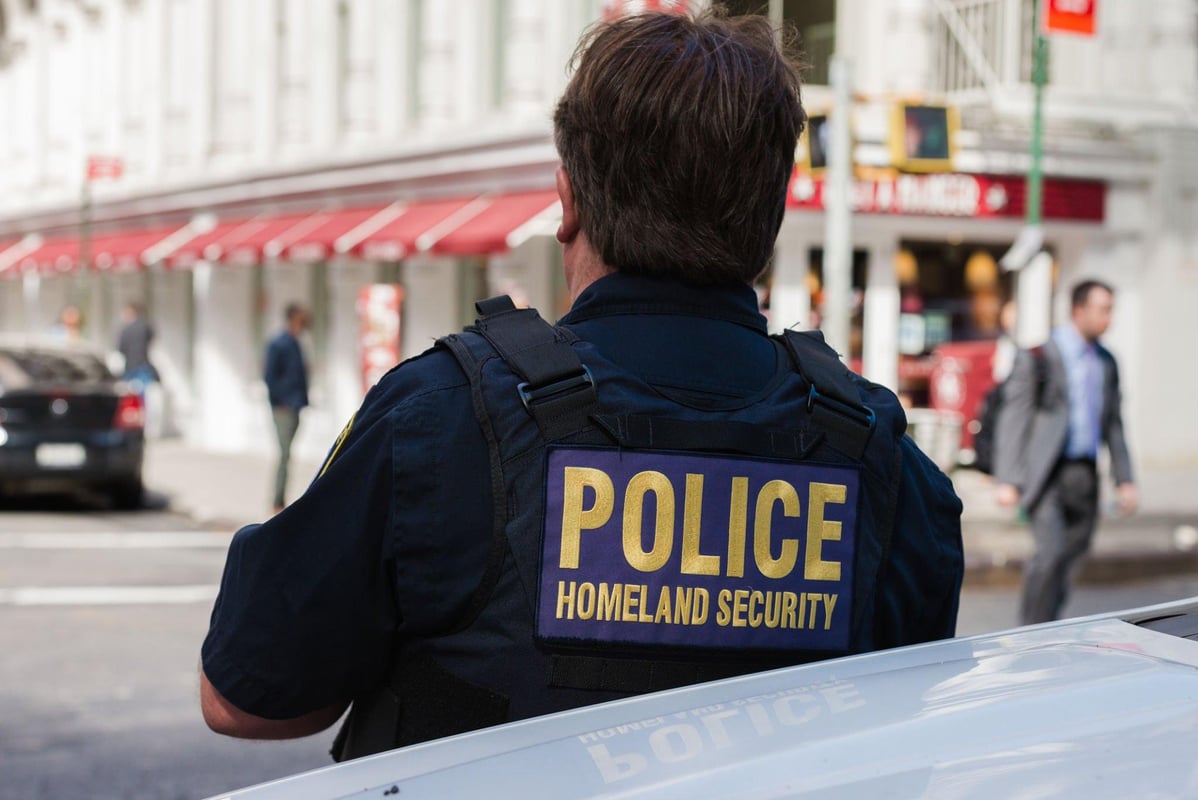
Are you interested in a career in Homeland Security? If you live in Charleston, you're in luck! There are several options for Homeland Security classes near you. In this blog post, we will explore what Homeland Security is, the training requirements, what to look for in a class, what to expect from the day-to-day class, the certification process, how to find related jobs, and other classes you can take after becoming a Homeland Security professional. So let's dive in!
Introduction
Homeland Security is a field focused on protecting the United States from various threats, including terrorism, natural disasters, and cyber attacks. Professionals in this field work for government agencies such as the Department of Homeland Security, the Federal Emergency Management Agency (FEMA), and the Transportation Security Administration (TSA).
What is Homeland Security?
Homeland Security encompasses various disciplines and areas of expertise. Some of the key areas include:
- Counterterrorism: Identifying and preventing terrorist activities.
- Emergency management: Preparing for and responding to natural disasters and other emergencies.
- Border security: Protecting the nation's borders and enforcing immigration laws.
- Cybersecurity: Protecting computer systems and networks from cyber attacks.
- Transportation security: Ensuring the safety of air travel and other modes of transportation.
Training Requirements
To work in Homeland Security, you will need to undergo specialized training. The specific requirements may vary depending on the agency and position you are interested in. However, some common training requirements include:
- Education: Most positions in Homeland Security require at least a high school diploma or equivalent. However, some positions may require a bachelor's or master's degree in a related field.
- Physical fitness: Many positions in Homeland Security require a certain level of physical fitness. This is especially true for roles that involve law enforcement or emergency response.
- Background check: Due to the sensitive nature of the work, individuals applying for Homeland Security positions will undergo a thorough background check.
- Specialized training: Depending on the specific role, you may need to undergo specialized training in areas such as counterterrorism, emergency management, or cybersecurity.
What to Look for in a Class
When searching for Homeland Security classes near you, it's essential to consider the following factors:
- Accreditation: Ensure that the training provider is accredited and recognized by relevant agencies or organizations.
- Curriculum: Review the course curriculum to ensure that it covers the necessary topics and skills for your desired career path.
- Instructors: Look for classes taught by experienced professionals who have real-world experience in the field of Homeland Security.
- Facilities and resources: Consider the quality of the facilities and resources available for practical training, such as simulation labs or equipment.
What to Expect from the Day-to-Day Class
Homeland Security classes typically combine theoretical and practical learning. Some of the activities you can expect to participate in during your classes include:
- Classroom lectures: You will learn about various aspects of Homeland Security, including threat assessment, emergency response strategies, and legal frameworks.
- Hands-on training: Depending on the class, you may have the opportunity to participate in simulations, drills, or exercises that simulate real-world scenarios.
- Group projects: Working in teams, you may be assigned projects that require you to apply your knowledge and problem-solving skills to address specific challenges.
- Guest speakers: Classes may invite guest speakers from relevant agencies or organizations to share their insights and experiences in the field of Homeland Security.
Certification Process
After completing your Homeland Security class, you may have the opportunity to obtain certifications that validate your skills and knowledge. The specific certification process will depend on the class and provider you choose. However, some general steps involved in the certification process may include:
- Meeting eligibility requirements: Ensure that you meet any prerequisites or eligibility criteria set by the certification body.
- Application: Submit an application form and any required supporting documentation, such as transcripts or proof of completion of the class.
- Examination: Depending on the certification, you may need to pass an examination that tests your knowledge and skills in the field.
- Renewal: Some certifications require periodic renewal to ensure that professionals stay up-to-date with the latest developments and best practices in Homeland Security.
Finding Related Jobs
Once you have completed your Homeland Security class and obtained any necessary certifications, you can start exploring job opportunities in the field. Here are some tips for finding related jobs:
- Government agencies: Check the websites of government agencies such as the Department of Homeland Security, FEMA, and TSA for job postings.
- Networking: Reach out to professionals in the field through networking events or online platforms like LinkedIn. They may be able to provide insights or refer you to job openings.
- Job boards: Utilize online job boards that specialize in Homeland Security or related fields.
- Internships: Consider applying for internships or entry-level positions to gain practical experience and make valuable connections.
Other Classes to Consider
Becoming a Homeland Security professional opens up various career paths and opportunities for further education and specialization. Here are some other classes you may consider taking after becoming a Homeland Security professional:
- Emergency Management: Further develop your skills in managing and responding to natural disasters and emergencies.
- Cybersecurity: Enhance your knowledge and expertise in protecting computer systems and networks from cyber threats.
- Intelligence Analysis: Learn how to gather and analyze information to support decision-making in areas such as counterterrorism or border security.
- Crisis Communication: Develop skills in effectively communicating during crises and managing public information.
Final Thoughts
If you are interested in a career in Homeland Security, taking classes in Charleston is a great way to start your journey. By undergoing specialized training and obtaining relevant certifications, you can position yourself for a rewarding career in protecting the nation's security. Remember to consider factors such as accreditation, curriculum, and instructor expertise when choosing a class. And when you're ready to explore other vocational classes or career options, visit Dreambound, the largest platform for students to find vocational training programs. Dreambound's mission is to provide students with all the information they need to find the perfect class. Good luck on your Homeland Security journey!
Check out Dreambound's extensive guides focusing on the unique challenges and requirements for each city in the US. For more detailed information, see some of our other guides below.
- How to Become a Homeland Security in Alabama
- How to Become a Homeland Security in Maine
- How to Become a Homeland Security in Michigan
- How to Become a Homeland Security in Oklahoma
- How to Become a Homeland Security in Tennessee
Contemplating a transition in your career or exploring various professional paths? Dreambound has written many guides to help you in making informed decisions. Here are a few: