Homeland Security classes near me in Baltimore

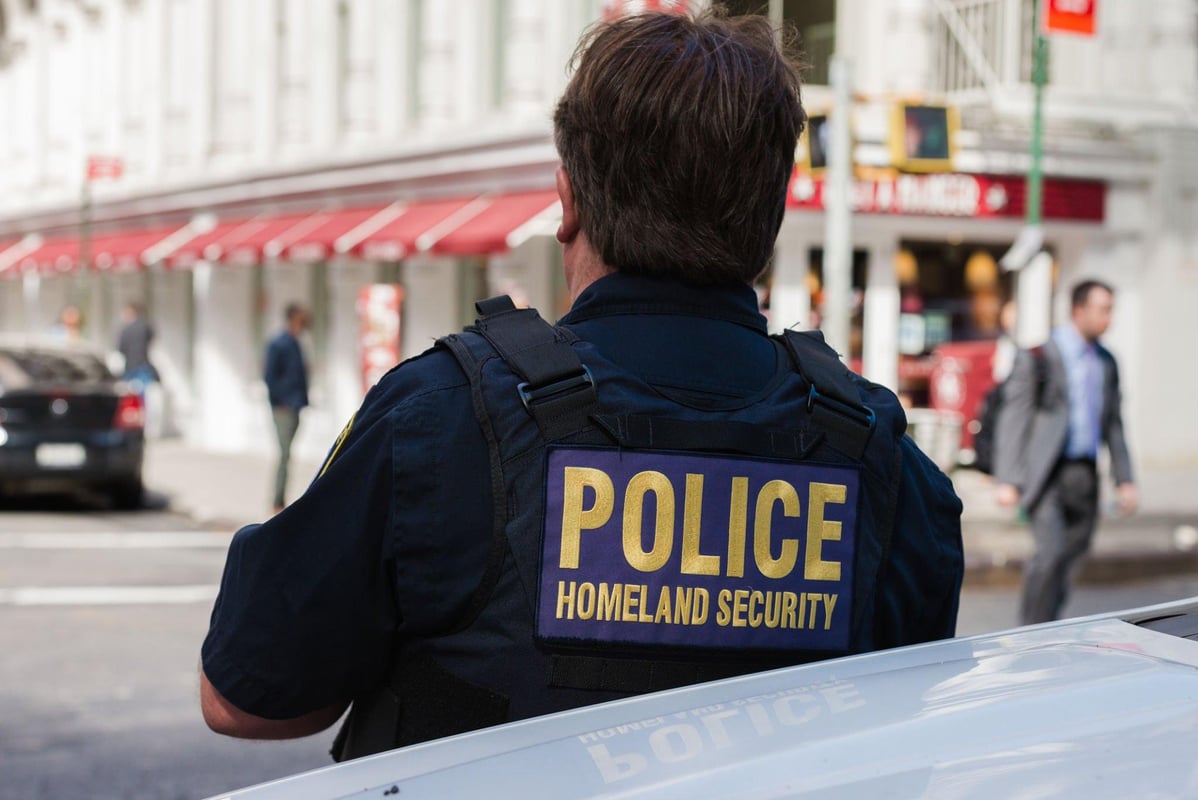
Homeland security is a field that plays a crucial role in protecting our nation from various threats, including terrorism, natural disasters, and cyberattacks. If you are interested in pursuing a career in this field, taking homeland security classes can provide you with the necessary knowledge and skills to excel in your chosen career path.
Introduction
Homeland security is a broad field that encompasses various aspects of national security and emergency management. From law enforcement to intelligence analysis, there are numerous career opportunities in this field. Taking homeland security classes can help you gain the expertise needed to succeed in this dynamic and challenging industry.
What is Homeland Security?
Homeland security refers to the efforts and strategies implemented by governments to protect their citizens from threats, both foreign and domestic. In the United States, the Department of Homeland Security (DHS) is responsible for safeguarding the country's infrastructure, borders, and citizens.
Training Requirements
To work in the field of homeland security, certain training requirements must be met. While the specific requirements can vary depending on the job, most positions in this field require a combination of education, training, and experience. Some common training requirements for homeland security careers include:
- A high school diploma or GED
- Completion of a relevant bachelor's degree program
- Completion of specialized training programs, such as those offered by the DHS or other government agencies
- Obtaining necessary certifications, such as the Certified Protection Professional (CPP) or Certified Homeland Protection Associate (CHPA)
What to Look for in a Class
When searching for homeland security classes near you in Baltimore, there are a few key factors to consider. These include:
- Accreditation: Ensure that the class or program you choose is accredited by a reputable accrediting agency. This ensures that the curriculum meets certain standards of quality and relevance.
- Experienced Instructors: Look for classes taught by instructors with real-world experience in the field of homeland security. They can provide valuable insights and practical knowledge.
- Course Content: Review the course syllabus to ensure that the class covers all the necessary topics and skills required for a career in homeland security.
- Hands-on Training: Look for classes that offer hands-on training opportunities, such as simulations or practical exercises. These can help you develop the practical skills needed for the job.
- Networking Opportunities: Consider classes that provide networking opportunities with professionals in the field. This can help you make valuable connections and gain insights into potential job opportunities.
What to Expect from the Day-to-Day Class
Homeland security classes typically cover a wide range of topics related to national security and emergency management. Some common topics that may be covered include:
- Threat assessment and risk management
- Emergency response and crisis management
- Intelligence analysis and counterterrorism
- Border security and immigration enforcement
- Cybersecurity and information protection
- Disaster preparedness and response
Classes can be a combination of lectures, discussions, hands-on exercises, and group projects. You can expect to learn from experienced instructors who have practical knowledge in the field. Additionally, you may have the opportunity to collaborate with classmates and engage in real-world scenarios to enhance your learning experience.
Certification Process
After completing your homeland security classes, you may have the option to pursue certification in specific areas of expertise. Certification can demonstrate your proficiency and commitment to the field, making you a more competitive candidate in the job market. The certification process typically involves the following steps:
- Meeting the eligibility requirements: Each certification has its own set of eligibility requirements, such as minimum education and experience.
- Completing the application: Submitting an application along with the required documentation, including transcripts and proof of experience.
- Taking the exam: Passing a comprehensive exam that tests your knowledge and skills in the specific area of certification.
- Maintaining certification: Some certifications require ongoing professional development to maintain your certification status.
Finding a Related Job
Once you have completed your homeland security classes and obtained any necessary certifications, you will be ready to start your career in the field. There are various job opportunities available in the homeland security sector, both in the public and private sectors. Some common job titles include:
- Transportation Security Officer
- Border Patrol Agent
- Intelligence Analyst
- Emergency Management Specialist
- Cybersecurity Analyst
- Law Enforcement Officer
To find job opportunities in the homeland security field, you can utilize online job boards, professional networking sites, and government agency websites. Additionally, consider reaching out to professionals in the field and attending industry conferences or job fairs to expand your network and gain insights into potential job openings.
Other Classes to Consider
After gaining some experience in the field of homeland security, you may choose to further expand your skillset by taking additional classes. Some classes to consider include:
- Emergency Management: Further develop your skills in emergency preparedness, response, and recovery.
- Cybersecurity: Deepen your understanding of cybersecurity threats and strategies to protect critical infrastructure.
- Intelligence Analysis: Gain advanced knowledge in intelligence gathering, analysis, and reporting.
- Risk Management: Learn how to assess and mitigate risks in various contexts, including national security.
These additional classes can help you specialize in a specific area of homeland security or broaden your knowledge base to pursue higher-level positions within the field.
Final Thoughts
Homeland security is a critical field that plays a vital role in protecting our nation and its citizens. By taking homeland security classes near you in Baltimore, you can gain the knowledge and skills needed to excel in this dynamic industry. Remember to consider factors such as accreditation, experienced instructors, and hands-on training when choosing a class. After completing your training, pursue certification and explore job opportunities in the field. And if you are looking for other vocational classes or career options, visit Dreambound, the largest platform for students to find vocational training programs. Dreambound's mission is to provide all the information students need to find the perfect class.
Dreambound has put together numerous guides to help you navigate the certification process in this field, tailored for various cities. For insights into the process or requirements in other states, see some of our additional guides below.
- How to Become a Homeland Security in District of Columbia
- How to Become a Homeland Security in Idaho
- How to Become a Homeland Security in Maryland
- How to Become a Homeland Security in Ohio
- How to Become a Homeland Security in Wisconsin
Thinking about a potential career transition? Dreambound offers detailed guides to help you with making an informed decision. Dive in below: