
First Aid classes near me in Richmond
Introduction
Are you considering taking a First Aid course in Richmond? It's a worthy consideration. Learning First Aid equips you with the skills to potentially save a life during an emergency. This blog post will guide you on what a First Aid course entails, the training requirements, what to expect from the classes, the certification process, and how to find related jobs. We also provide valuable insights on other courses that you can pursue after becoming a First Aid, and more. We will also recommend resources where you can find comprehensive information about First Aid classes and related vocational training programs.
What is First Aid?
First Aid is immediate care given to a person who has been injured or suddenly fallen ill before full medical treatment becomes available. The primary goal is to preserve life, prevent the situation from worsening, and promote recovery. It can involve everything from cleaning a small wound and applying a bandage to performing CPR (Cardiopulmonary Resuscitation) on someone in cardiac arrest.
Training Requirements
There are no specific prerequisites for enrolling in a First Aid course. However, certain essential attributes, such as calmness under pressure, good communication skills, and a willingness to help others, are invaluable for anyone planning to take First Aid classes. Some of the key areas covered in the training include:
-
Understanding the basics of First Aid.
-
How to respond to specific situations like choking, burns, and fractures.
-
How to perform CPR and use an Automated External Defibrillator (AED).
-
How to handle emergencies like stroke, heart attack, and breathing problems.
What to Look for in a Class
When selecting a First Aid class in Richmond, several key factors should guide your choice:
-
Accreditation: The course should be accredited by a recognized body. This ensures that the curriculum meets standard guidelines and that you will receive a recognized certificate upon completion.
-
Instructors: The quality of instructors matters. They should be experienced, knowledgeable, and able to deliver the training effectively.
-
Practical Training: First Aid is largely about practical skills. Ensure the course offers ample hands-on training.
-
Course Content: The content should cover a comprehensive range of First Aid topics, including CPR and AED usage.
What to Expect from the Day-to-Day Class
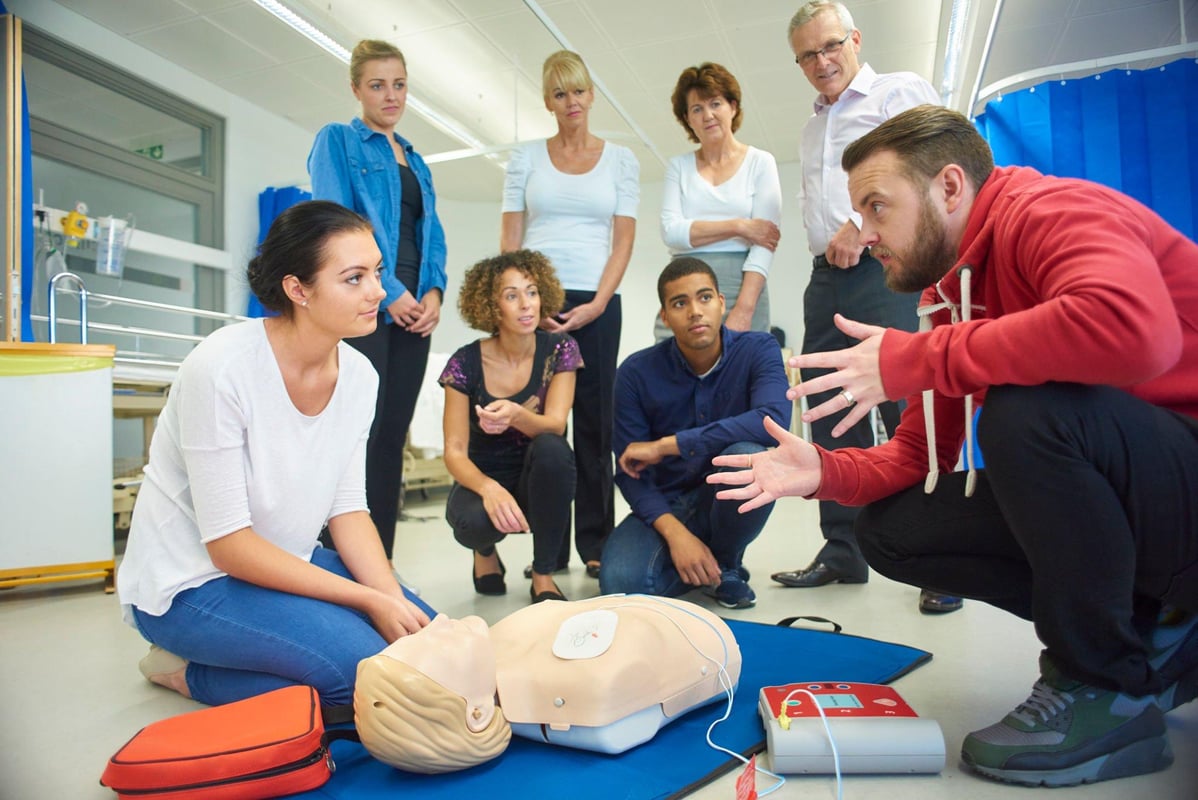
First Aid classes are a mix of theoretical learning and practical training. You may start with learning about different types of injuries and illnesses and how to handle them. This is followed by practical sessions where you get to practice what you've learned, such as bandaging a wound or performing CPR. You may also participate in simulated emergency situations to test your skills and response under pressure.
The Certification Process
Upon completion of the First Aid course, you will need to pass an exam to receive your certification. The exam usually comprises a written test and a practical assessment. Once you pass, you are awarded a First Aid certificate that is valid for a specified period, typically two years. After this, you will need to renew your certification by taking a refresher course.
How to Find Related Jobs
After getting your First Aid certification, you can explore various job opportunities. These may include becoming a lifeguard, a childcare worker, a health aide, or a security officer. You can also consider careers in the healthcare sector, like becoming a nurse or an EMT.
What Other Classes Can Someone Take After Becoming a First Aid?
After completing your First Aid training, you may want to advance your skills further. Some of the courses you can consider include:
-
Advanced First Aid: This goes beyond basic training and equips you with more comprehensive emergency response skills.
-
CPR and AED Certification: While these topics are covered in the basic First Aid course, a specialized course provides more detailed training.
-
Wilderness First Aid: This is ideal if you frequently go on outdoor adventures or work in remote locations.
-
Medical Assisting: If you're considering a career in healthcare, a course in medical assisting can be a good starting point.
Additional Topics
The Importance of First Aid Training
First Aid training is crucial because it equips you with skills that could potentially save a life. It's not only beneficial in the workplace or at school but also in everyday life situations.
Finding the Right First Aid Course
Finding the right First Aid course requires careful consideration of factors such as the course content, the credibility of the training provider, the qualifications of the instructors, and the course duration.
Career Opportunities with First Aid Certification
First Aid certification can open up numerous career opportunities, especially in sectors like healthcare, education, sports, and hospitality.
Renewing Your First Aid Certification
First Aid certification usually expires after a certain period, typically two years. To maintain your certification, you'll need to take a refresher course and pass an examination.
Final Thoughts
Taking a First Aid class equips you with invaluable life-saving skills. Whether you're looking to enhance your employability, fulfill a job requirement, or simply be prepared in case of an emergency, a First Aid course is a worthwhile investment. Remember, in an emergency, it's better to know First Aid and not need it than to need it and not know it.
Dreambound has you covered with a series of detailed guides, each designed for a different city. And if you're elsewhere or considering a move, we've got more guides that might fit your needs.
- How to Become an Emergency Response Team Member in Florida
- How to Become an Emergency Response Team Member in Illinois
- How to Become an Emergency Response Team Member in Missouri
- How to Become an Emergency Response Team Member in New Jersey
- How to Become an Emergency Response Team Member in South Dakota
Thinking about all of the factors involved in making a career shift? Take a look at some of the guides we've written to help you in your journey.