Drug and Alcohol Counseling Classes Near Me in Tampa
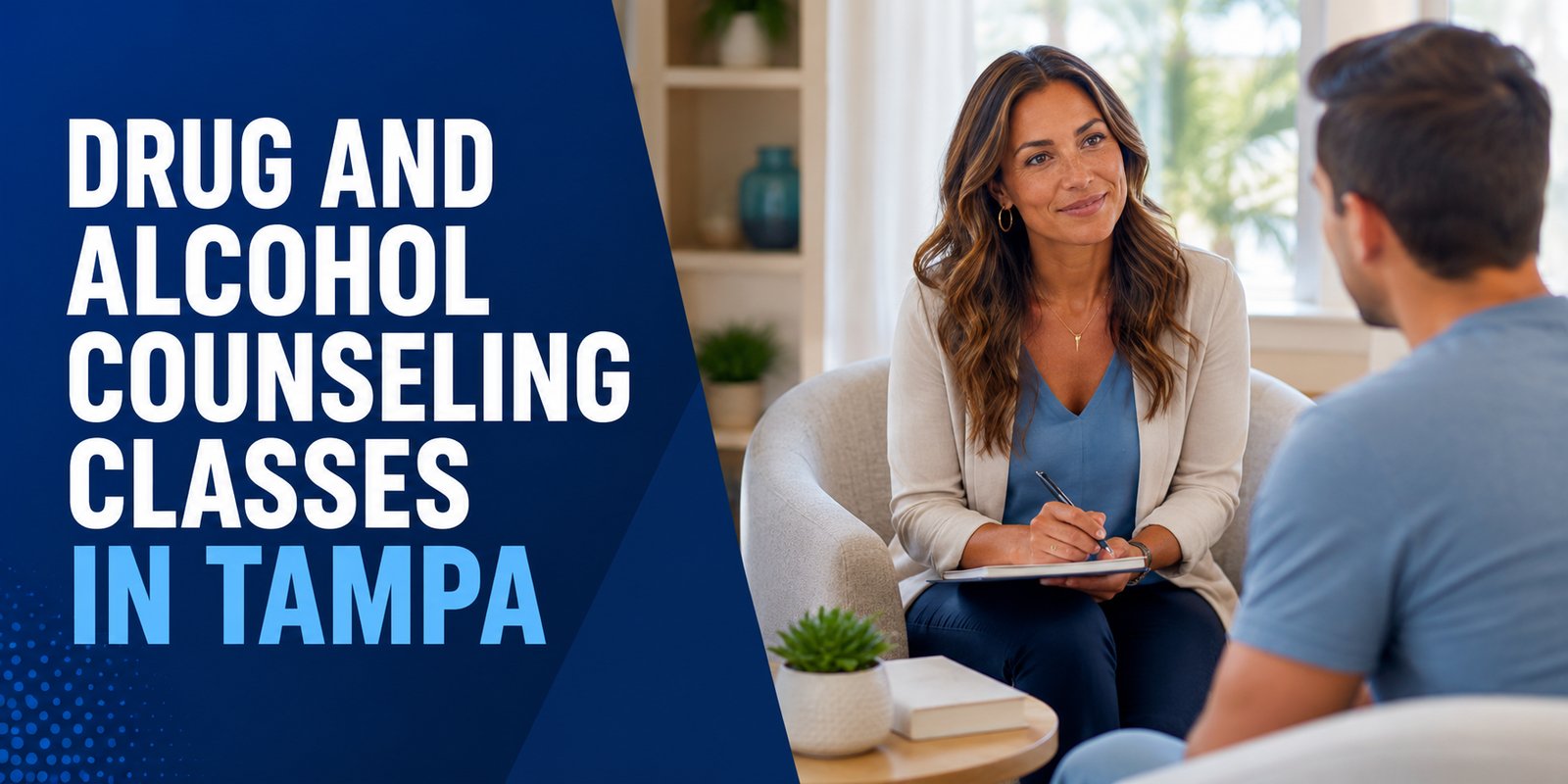
If you want to counsel people through addiction in Tampa, Florida makes the on-ramp more accessible than most states, because you do not need a graduate degree to start. The state's certification board recognizes a starting credential you can earn while working in a treatment setting, then advance to the higher Certified Addiction Professional (CAP) title as you add education and supervised hours. One clarification before you go further: this guide is about training to become a counselor, not the four-hour drug and alcohol course Florida requires for a first driver's license. Counselors in Florida earn a median of $56,790 a year, and Tampa's large recovery industry means the training you complete has somewhere local to lead.
Key Points
- In Florida, drug and alcohol counselors are certified through the Florida Certification Board, not licensed by a state medical board.
- You can enter the field as a Certified Behavioral Health Technician, then move up to Certified Addiction Counselor and Certified Addiction Professional.
- Each credential combines addiction-specific coursework, supervised work experience, and a certification exam.
- Tampa's concentration of treatment centers and recovery programs provides practicum sites and starter jobs while you certify.
- Counselors in Florida earn a median of $56,790 a year, about $27.30 an hour, with strong projected job growth.
How to Become a Drug and Alcohol Counselor in Florida
Florida certifies addiction counselors through the Florida Certification Board, and the credentials stack from the ground up. The Certified Behavioral Health Technician (CBHT) is the starting point, open to people with a high school diploma who are working or volunteering in a licensed treatment setting, often as a behavioral health technician or recovery support specialist. From there, the Certified Addiction Counselor (CAC) and the Certified Addiction Professional (CAP) each require more addiction-specific education, a set number of supervised work hours, and a passing score on the board's exam.
The practical effect is that you can start earning and gaining hours before you finish all your coursework, which is why so many Tampa students take a technician job at a treatment center first. Those roles typically pay somewhere in the $35,000 to $45,000 range, below the counselor median but climbing toward it as you certify. The exact education and supervised-hour totals depend on the credential and on whether you hold a college degree, so confirm the current requirements with the board before you pick a program.
Where to Take Drug and Alcohol Counseling Classes in Tampa
Tampa gives you a few routes to the required coursework. Local community and state colleges, including St. Petersburg College, offer addiction studies certificates that map to the board's education requirements. Some treatment centers and recovery organizations run their own training alongside paid work. And accredited online programs let you complete the coursework on your own schedule if a classroom seat does not fit.
To line these up in one place, browse drug and alcohol counseling programs near you on Dreambound and match a program to the credential you are after. You can also search local training programs through CareerOneStop to see what is running in the Tampa area right now.
What Drug and Alcohol Counseling Classes Cost in Tampa
Cost depends on the level you are working toward and where you train. A community-college addiction studies certificate is usually the most affordable classroom route, running a few hundred to a couple thousand dollars, while a full degree for the CAP track costs more. Online certificate programs sit in between, and online drug and alcohol counseling classes can be the most flexible if you are working while you study.
Drug and Alcohol Counselor Salary in Florida
The pay reflects a credentialed role rather than a starter job, and it climbs steadily as you move up from the CBHT to CAP. Florida's median for addiction counselors is $56,790 a year, or about $27.30 an hour, according to May 2025 data, and demand is strong: the Bureau of Labor Statistics projects jobs for substance abuse, behavioral disorder, and mental health counselors to grow 17% through 2034, one of the fastest rates in the country. The Florida median sits about $2,560 under the national figure of $59,350, which tracks with the state's lower cost of living.
Where Drug and Alcohol Counselors Work in Tampa
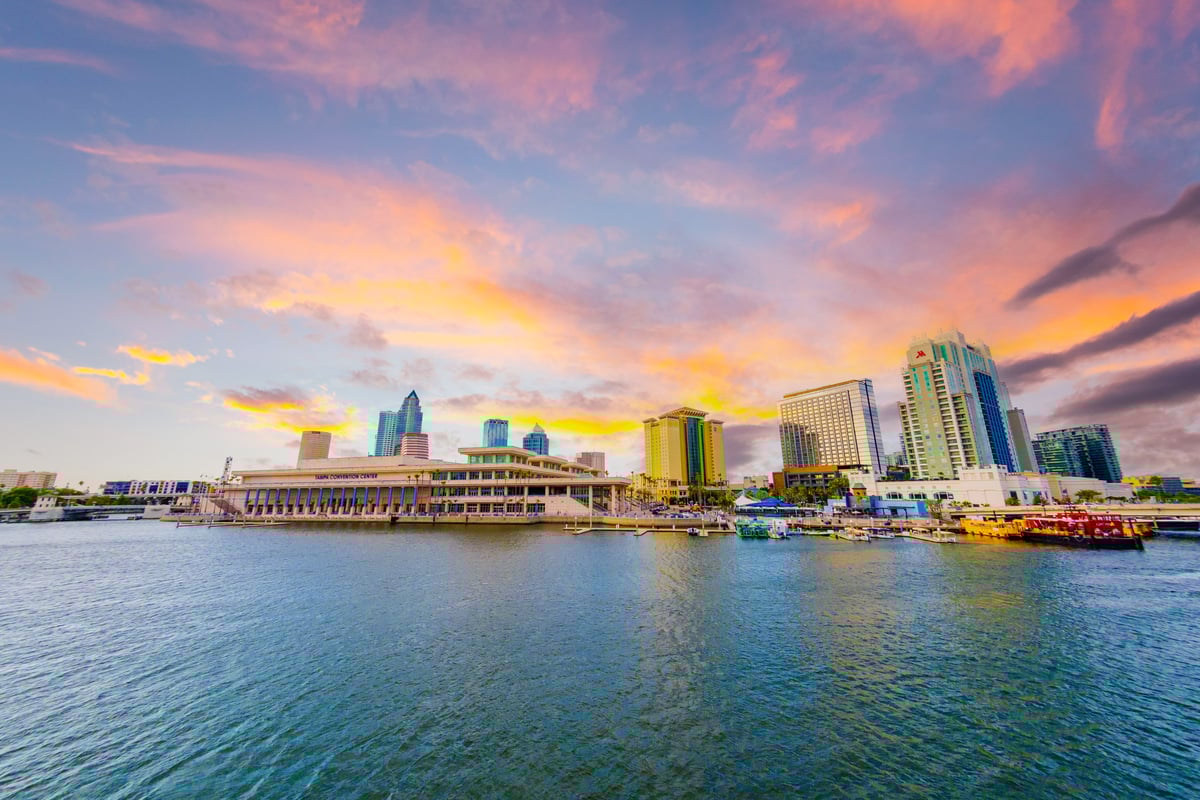
Tampa has one of Florida's densest concentrations of addiction treatment. Counselors work in residential rehab facilities, outpatient clinics, hospital behavioral health units, and community programs, many of them licensed by the Florida Department of Children and Families. Local employers like DACCO Behavioral Health and the region's recovery centers hire for these starter roles, which is part of why beginning your certification in Tampa is practical: the practicum sites and the jobs are in the same place.
Frequently Asked Questions
How do you become a drug and alcohol counselor in Florida?
You earn a credential through the Florida Certification Board, starting as a Certified Behavioral Health Technician and advancing to Certified Addiction Counselor or Certified Addiction Professional. Each step combines addiction-specific coursework, supervised work hours, and a certification exam, and you can begin working in a treatment setting while you complete them.
Where can I take drug and alcohol counseling classes in Tampa?
Local community and state colleges such as St. Petersburg College offer addiction studies certificates, some treatment centers run their own training, and accredited online programs cover the coursework remotely. Lining them up on Dreambound is the fastest way to find one that fits the credential you want.
How long does it take to become a certified addiction counselor in Florida?
Plan on one to two years for the coursework and supervised hours behind the mid-level credentials, and longer for the Certified Addiction Professional, which expects a college degree. Because you can accrue supervised hours while employed, many people reach certification faster by working and studying at the same time.
Is this the same as the Florida drug and alcohol course for a driver's license?
No. The Florida drug and alcohol course, also called the TLSAE course, is a four-hour class required before a first-time driver's license and costs around $20. Becoming a drug and alcohol counselor is a professional certification through the Florida Certification Board, with coursework, supervised hours, and an exam.
Choosing a Drug and Alcohol Counseling Program in Tampa
Tampa is one of the better places in Florida to start this work, because the CBHT lets you take a job at a treatment center while you climb toward the higher titles, and those jobs are already here. If counseling people through recovery is the goal, the practical first step is to pair a starting credential with a program and get your supervised hours underway.
Weigh your program options in Tampa on Dreambound, and confirm your credential path with the Florida Certification Board before you commit to a school.