Dialysis Technician Training Schools Near Me in Spokane

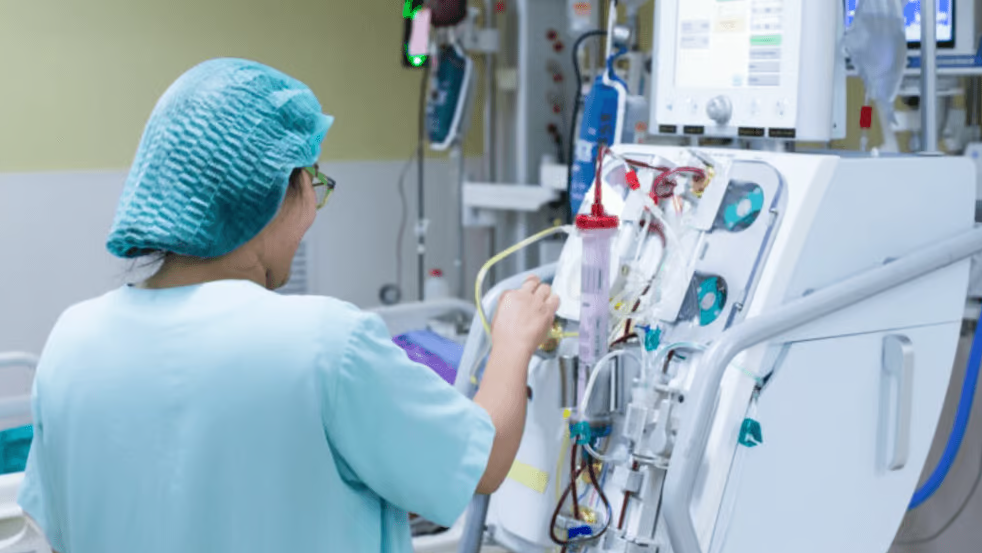
Becoming a dialysis technician in Spokane runs a different path than most healthcare careers in the city. There is no dedicated college program in classroom rotation right now, which means employer-led training at major dialysis providers is the most common starting point. And Washington is one of the few states that issues its own credential on top of the national certification, called the Medical Assistant-Hemodialysis Technician, regulated by the state Department of Health. The Spokane-Spokane Valley metro pays a median annual wage of $58,490 in the broader Clinical Laboratory Technologists and Technicians category that BLS uses as the proxy for this role (May 2025 BLS). This guide walks through how to work through the credential layer, where to train, and what each path costs and takes.
Key Points
- The Spokane-Spokane Valley metro reports a $58,490 annual median wage in the BLS Clinical Laboratory Technologists and Technicians category, the closest proxy BLS publishes for dialysis technicians (May 2025).
- Washington requires a state-issued Medical Assistant-Hemodialysis Technician credential through WA DOH, in addition to the national certification required by CMS for working in dialysis facilities.
- Most Spokane candidates enter through employer-led training at DaVita, Fresenius, or a Spokane hospital, then complete certification within 18 months as required by CMS.
- The three CMS-recognized national certifications are CCHT (NNCC), CHT (BONENT), and CCNT (NNCO).
- Spokane Colleges' Workforce Training catalog lists a Dialysis Technician Program but shows no classes currently scheduled, so college-classroom entry is not a practical short-term route in Spokane right now.
Dialysis Technician Program for Spokane Students
Dreambound is a free platform that helps you compare training programs across the United States. The partner program below is BONENT-approved and prepares candidates for either the CHT or CCHT national exam, which is the credential most Spokane employers will ask for during the 18-month CMS window.
Online Hemodialysis Technician Course at CareerStep
- Format: Fully online, self-paced
- BONENT-approved program preparing students for the CHT (BONENT) or CCHT (NNCC) exam
- Includes one free certification exam voucher (choice of CHT or CCHT)
- Clinical experience provided through CareerStep's partner network
Dialysis Technician Salary in Spokane
The Spokane-Spokane Valley metro reports an annual median wage of $58,490 for Clinical Laboratory Technologists and Technicians, the BLS occupational category that includes dialysis technicians (May 2025 OES). Washington state as a whole reports a median of $72,760 in the same category, which reflects the higher-wage Seattle and Puget Sound concentration in the statewide figure.
A caveat worth knowing: BLS does not maintain a dedicated occupational code for hemodialysis technicians. The Clinical Laboratory category includes higher-paid lab roles, so wages specific to dialysis work in Spokane likely sit below the broad-category median rather than above it. Pay also varies by employer type and shift, with hospital-based positions and certified technicians generally compensated higher than entry-level trainees at outpatient dialysis clinics.
Washington's Hidden Credential Layer: State and National Certification
Most state guides describe one certification step for dialysis technicians. Washington requires two, which is the part Spokane candidates need to plan for upfront.
Federal layer (CMS). Every patient care dialysis technician working in a Medicare-certified dialysis facility must hold a national certification within 18 months of hire. Three CMS-recognized exams meet this requirement:
- Certified Clinical Hemodialysis Technician (CCHT) from the Nephrology Nursing Certification Commission
- Certified Hemodialysis Technologist/Technician (CHT) from the Board of Nephrology Examiners Nursing and Technology
- Certified Clinical Nephrology Technician (CCNT) from the National Nephrology Certification Organization
State layer (Washington DOH). On top of the CMS rule, Washington requires a separate state credential called the Medical Assistant-Hemodialysis Technician, issued by the Washington Department of Health under WAC 246-827-0500. Applicants qualify through one of two routes:
- Complete a state-approved hemodialysis training program at a dialysis facility or recognized institution
- Hold a national hemodialysis credential the DOH determines is substantially equivalent
The application also requires a fee, a background check, and renewal every two years on the credential holder's birthday. Applicants who have completed their training program can work under supervision for up to 180 days while their DOH credential is processing, which is how most Spokane employers bridge the gap between training completion and the active state credential.
Three Paths Into Dialysis Work in Spokane
Three routes lead to dialysis technician work in Spokane in 2026, and each one handles the credential layer differently:
- Employer-led training at a dialysis provider. This is the most common Spokane route. DaVita Kidney Care and Fresenius Kidney Care both operate multiple Spokane clinics and hire candidates without prior dialysis experience, paying them while training. Providence Sacred Heart Medical Center and MultiCare Deaconess Hospital also hire and train directly for their hospital-based dialysis units. Training is structured to qualify graduates for the state credential and prepare them for the national exam within the CMS 18-month window.
- Online certification first, then apply. Complete an online program like the CareerStep Hemodialysis Technician course above, then apply for a trainee or technician position with the credential progress already in hand. This works best for organized, self-directed candidates, since the externship experience needed for the WAC 246-827-0500 training program requirement is arranged separately.
- College-classroom certificate (currently inactive in Spokane). Spokane Colleges' Workforce Training catalog lists a Dialysis Technician Program, but the listing shows no classes currently scheduled. If the college reopens enrollment, this becomes a fourth option. Spokane Falls Community College does not offer a dedicated dialysis technician program despite older directory pages suggesting otherwise.
How Long Dialysis Technician Training Takes in Spokane
Employer-led training timelines vary by provider but typically run several months of structured training plus on-the-job experience before a trainee is ready to sit for the national exam. Most employers expect candidates to test within the CMS 18-month window after hire.
An online program like CareerStep is self-paced. Candidates studying full time can complete it in a few months; those balancing work or family obligations spread it across a longer period. The Washington state credential application adds processing time on top, though candidates can continue working under supervision for up to 180 days while DOH reviews the application.
How Much Dialysis Technician Training Costs in Spokane
Costs vary widely by entry path:
- Employer-led training at DaVita, Fresenius, or a Spokane hospital: Paid, with no upfront tuition. This is the lowest-cost financial entry into the career.
- Online programs like CareerStep: Fixed tuition that varies by enrollment channel and current promotions. Spokane students should confirm current pricing directly with the provider.
- WA Medical Assistant-Hemodialysis Technician credential: Separate DOH application and renewal fees, paid by the candidate.
Spokane students may also qualify for federal WIOA workforce training funding through local workforce development boards if they pursue a certificate program rather than employer-led training.
Where Dialysis Technicians Work in Spokane
Spokane has a concentrated dialysis services market across hospital systems and outpatient providers:
- Providence Sacred Heart Medical Center operates the largest hospital-based dialysis services in the Spokane region.
- MultiCare Deaconess Hospital and other MultiCare Spokane facilities staff in-hospital dialysis units.
- DaVita Kidney Care operates several outpatient dialysis clinics in Spokane and Spokane Valley.
- Fresenius Kidney Care runs multiple outpatient locations across the metro, including the FMC Spokane Kidney Center.
Hospital-based and outpatient settings often run different shift patterns, with outpatient clinics frequently scheduling early-morning start times to accommodate three-times-weekly patient treatments.
Frequently Asked Questions
How much is dialysis technician training?
Employer-led training in Spokane is paid, not charged. Candidates earn wages while training at DaVita, Fresenius, or a hospital dialysis unit. Online programs such as CareerStep charge a fixed tuition that varies by enrollment channel, so Spokane students should confirm current pricing directly with the provider. The Washington Medical Assistant-Hemodialysis Technician credential carries a separate DOH application and renewal fee.
How long does it take to become a dialysis technician in Washington?
Most Spokane candidates reach working-trainee status within a few weeks of being hired into employer-led training, then complete national certification within the 18-month CMS window. Online programs are self-paced and can be completed in a few months by full-time students. The Washington state credential application processes alongside training, and candidates can work under supervision for up to 180 days while DOH reviews the application.
How much do dialysis technicians make in Washington state?
The Washington state annual median wage in the Clinical Laboratory Technologists and Technicians category (the BLS proxy for this role) is $72,760, with the Spokane-Spokane Valley metro reporting a $58,490 median (May 2025 BLS). Dialysis-specific wages in Spokane likely sit below the broad-category median because BLS does not maintain a dedicated occupational code for hemodialysis technicians.
Do you need a state credential to work as a dialysis technician in Washington?
Yes. Washington requires a state-issued Medical Assistant-Hemodialysis Technician credential through WA DOH under WAC 246-827-0500. The state credential is separate from the national certification (CCHT, CHT, or CCNT) required by CMS for work in Medicare-certified dialysis facilities. Most Spokane candidates earn both, the federal certification through a CMS-recognized exam and the state credential through DOH application, within their first 18 months on the job. Dreambound can help you compare hemodialysis training programs that prepare candidates for the national exam.
Choosing Your Path to Dialysis Technician Work in Spokane
The decision that matters most for a Spokane candidate is whether to enter through paid employer training or to complete an online certification first and then apply for a trainee position with the credential already in hand. Employer training trades a slower certification timeline for paid learning and a guaranteed clinical site. An online program trades upfront tuition for faster certification and the ability to apply with a credential already in progress.
Either path leads through the same two-layer credential gate. Compare hemodialysis programs on Dreambound to find the ones that prepare you for a CMS-recognized CHT or CCHT exam, the credential most Spokane employers will require before your state DOH application is approved.