CDL-B classes near me in Miami

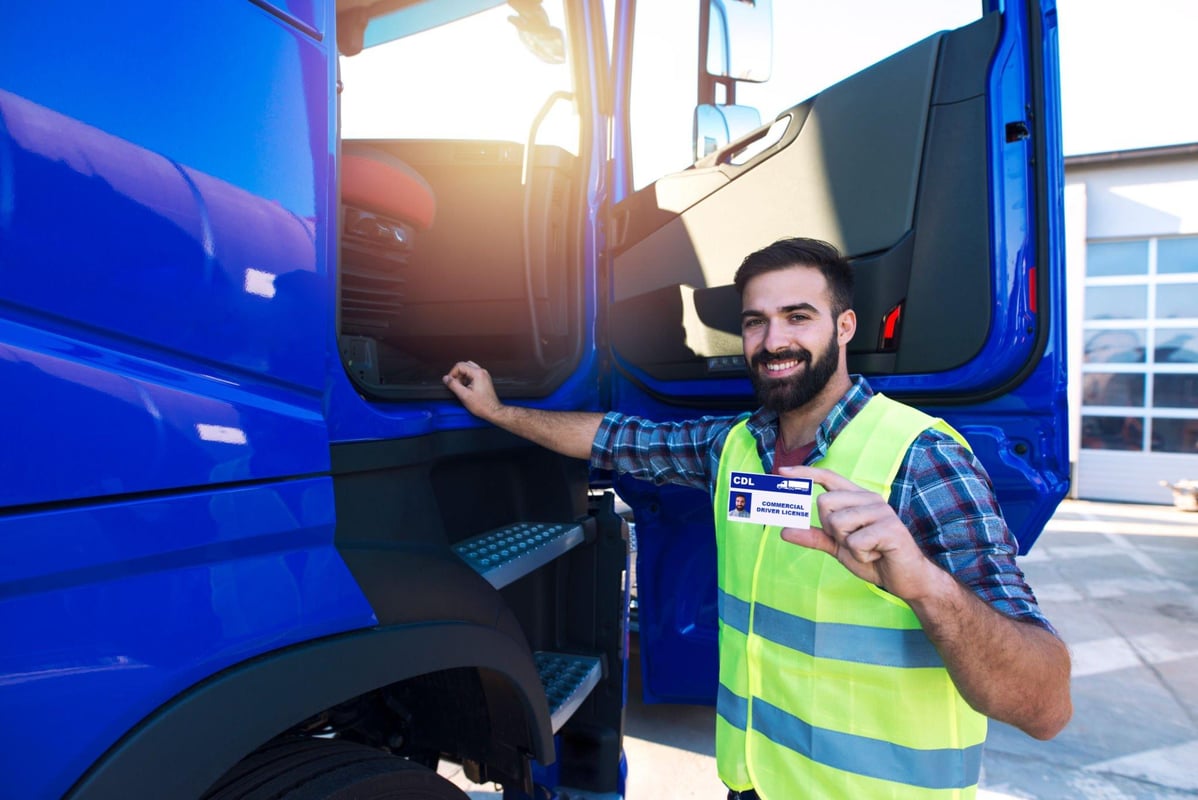
If you are in Miami and considering a career that involves commercial driving, obtaining a Commercial Driver’s License Class B (CDL-B) is an excellent place to start. This blog post provides comprehensive information on a CDL-B, its training requirements, what to look for in a class, and what to expect from the day-to-day class. It will also guide you through the certification process, how to find related jobs, and what other classes you can take after becoming a CDL-B holder.
What is a CDL-B?
A CDL-B is a commercial driver's license that permits the holder to operate heavy, single vehicles with a gross vehicle weight rating (GVWR) of 26,001 pounds or more or any such vehicle towing another not exceeding 10,000 pounds. This includes buses, farm labor vehicles, and any combination of vehicles not defined by Class A.
Training Requirements
Before obtaining a CDL-B, specific training requirements must be met:
-
Age Requirement: You must be at least 18 years old to drive within state lines and at least 21 years old to drive cross-country or haul hazardous materials.
-
Physical Fitness: Commercial drivers must be in good physical health as determined by a Department of Transportation (DOT) physical.
-
Driving Record: You must have a clean driving record and have no major traffic violations.
-
Written Exam and Skills Test: You must pass a written knowledge exam and a skills test, which includes a pre-trip vehicle inspection, a basic vehicle control test, and an on-road driving exam.
What to Look for in a Class
When choosing a CDL-B class in Miami, look for the following:
-
Accreditation: The school should be accredited by a recognized accrediting body. This ensures that the program meets certain standards of quality.
-
Experienced Instructors: The instructors should have significant experience in the field and be able to provide real-world examples and insights.
-
Hands-on Training: Good programs will provide ample opportunities for hands-on training with the types of vehicles you'll be driving.
What to Expect from the Day-to-Day Class
During your CDL-B training, you can expect a mix of classroom instruction and practical, hands-on experience. Topics typically covered include:
-
Vehicle Inspection: This covers the pre-trip inspection of your vehicle to ensure it's safe to drive.
-
Vehicle Control: You'll learn basic control skills, such as turning, backing up, and parking.
-
On-Road Driving: This includes highway driving, city street driving, and a variety of other driving situations.
What Does the Certification Process Look Like?
The certification process for obtaining a CDL-B involves several steps:
-
Apply for a Commercial Learner's Permit (CLP): This involves passing a written knowledge exam.
-
CDL Training: After receiving your CLP, you'll undergo training to learn the skills necessary to pass the CDL skills test.
-
Skills Test: Once you've completed your training, you'll take a skills test, which includes a pre-trip vehicle inspection, a basic vehicle control test, and an on-road driving exam.
-
Receive Your CDL-B: If you pass the skills test, you'll receive your CDL-B.
How to Find a Related Job
After obtaining your CDL-B, you can start looking for jobs. This could include driving school buses, tour buses, delivery trucks, or other heavy vehicles. Consider the following tips:
-
Networking: Connect with other professionals in the industry. They might know of job openings or be able to provide advice on job hunting.
-
Job Boards: Check job boards regularly for new postings. These can be general job boards or those specifically for the transportation industry.
-
Company Websites: If there are specific companies you're interested in, check their websites for job postings.
What Other Classes Can Someone Take After Becoming a CDL-B Holder?
After obtaining your CDL-B, you might consider taking additional classes to enhance your skills or expand your career options. For example:
-
CDL-A Training: A CDL-A allows you to drive any combination of vehicles with a GVWR of 26,001 pounds or more.
-
Hazardous Materials (HazMat) Endorsement: This allows you to haul hazardous materials, which can lead to higher-paying job opportunities.
-
Passenger Endorsement: If you're interested in driving a bus or other passenger vehicle, this endorsement is required.
Additional Topics
Understanding the Difference Between CDL-A and CDL-B
While both CDL-A and CDL-B licenses permit the operation of large commercial vehicles, they are not the same. A CDL-A is required to drive any combination of vehicles with a GVWR of 26,001 pounds or more, while a CDL-B is generally for smaller vehicles and certain types of buses.
The Importance of Safety Training
Safety should always be a top priority when operating large commercial vehicles. Therefore, it is crucial to choose a CDL-B class that offers comprehensive safety training. This can include everything from proper vehicle inspection to understanding road safety laws and regulations.
Job Opportunities After CDL-B Certification
A CDL-B license can open the door to a variety of job opportunities. Aside from becoming a commercial truck driver, other potential roles include bus driver, delivery driver, and construction equipment operator.
The Role of Health and Physical Fitness in Commercial Driving
Maintaining good health and physical fitness is essential for commercial drivers. Not only is it required for the DOT physical, but good health and fitness can also help to prevent on-the-job injuries and reduce fatigue.
Final Thoughts
Obtaining a CDL-B can lead to various rewarding career opportunities in commercial driving. With the right training, you can be on the road to a new career in no time. Whether you're new to the industry or looking to upgrade your skills, there are plenty of CDL-B classes in Miami that can help you achieve your career goals.
Remember, the journey to becoming a successful commercial driver doesn't end with earning your CDL-B. Continuing education and training, networking with other professionals, and staying up to date with industry trends and regulations are all essential for a successful career in commercial driving.
Dreambound has an extensive collection of guides that dive deep into how to get started in the field, tailored for various cities. For those based in different locations or planning to move, we recommend exploring our other guides.