
About
The Certified Cardiographic Technician (CCT) course offered by AMTI provides students with hands-on training to develop the skills needed for a career in healthcare, particularly in the field of cardiology. This program is suitable for both individuals looking for entry-level positions in healthcare and current healthcare professionals, such as Certified Nursing Assistants (CNAs), Caregivers, and Phlebotomists, who want to expand their knowledge and skills to become valuable assets in the healthcare industry.
Course Structure:
The CCT course is structured as follows:
- Online eLearning Materials: Students start with 16 hours of online eLearning materials to build foundational knowledge.
- Classroom Instruction: Following the online component, students attend 4 weeks of classroom instruction, typically on weekends, for a total of 64 classroom hours.
- Exams and Skill Assessments: During the classroom phase, students must pass all exams and skill assessments with a minimum score of 80%.
- Final Exam: Upon completing the classroom instruction and meeting the assessment requirements, students take the course's final exam, which also requires a minimum score of 80%.
Certification Opportunity:
Upon successful completion of the course, CCT graduates have the opportunity to apply for and sit for the Cardiovascular Credentialing International (CCI) exam. Passing this exam will allow graduates to earn the CCT designation.
While taking the CCI exam is optional, AMTI strongly recommends it. Earning the CCT designation can significantly enhance employment prospects in the field of cardiology.
Curriculum:
The Cardiographic Technician course covers a wide range of topics, including:
- Efficiently performing rhythm and 12-lead EKG testing.
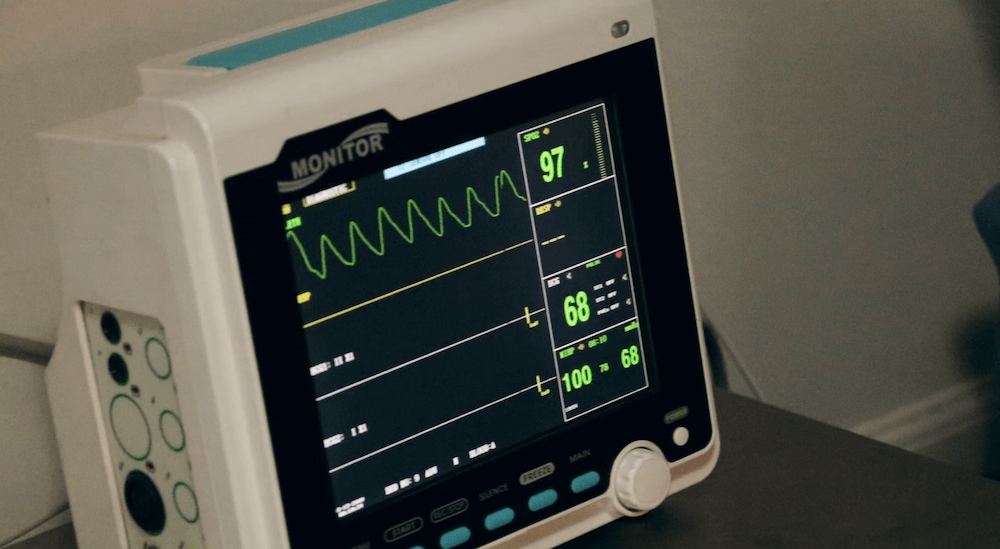
- Evaluating and interpreting electrocardiograms (EKGs).
- Introduction to Holter Monitoring and Stress testing techniques.
- Cardiovascular Anatomy and Physiology.
- Understanding hypertrophy and enlargement of the heart.
- Recognizing and managing arrhythmias and conduction blocks.
- Other key concepts and knowledge areas relevant to the role of a CCT.
In addition to the technical skills, the program also provides insights into the business, marketing, and legal aspects associated with the profession. This comprehensive curriculum equips students with the knowledge and skills necessary to excel as Certified Cardiographic Technicians.
Organization

Lifework Education - Mesa/Dobson (AMTI)
Lifework Education’s Mesa/Dobson (AMTI) campus is in Mesa, Arizona. The institution trains people for Assisted Living Consulting, Assisted Living Manager, Cardiographic Technician (EKG Technician), Caregiver, Certified Nursing Assistant, and Phlebotomy Training careers. Lifework Education also provides CPR, First Aid, BLS, ACLS, PALS, and other healthcare certification training through group, individual, online, and hybrid formats. Its healthcare career offerings in Arizona include EMT and other vocational programs. The institution serves hospitals, schools, public works departments, medical offices, and other organizations through group instruction, while individual and online options support professional certification and continuing skills development. Financial aid availability is identified as part of its career-training support, and courses may be delivered entirely online, in person, or through a combination of online modules and hands-on instruction.