Respiratory Therapist schools near me in Rochester
Introduction
Are you considering a career in respiratory therapy? Maybe you live in or near Rochester, NY and are wondering where you can take classes. Look no further! This blog post will provide you with all the information you need on becoming a Respiratory Therapist in Rochester, NY.
What is a Respiratory Therapist?
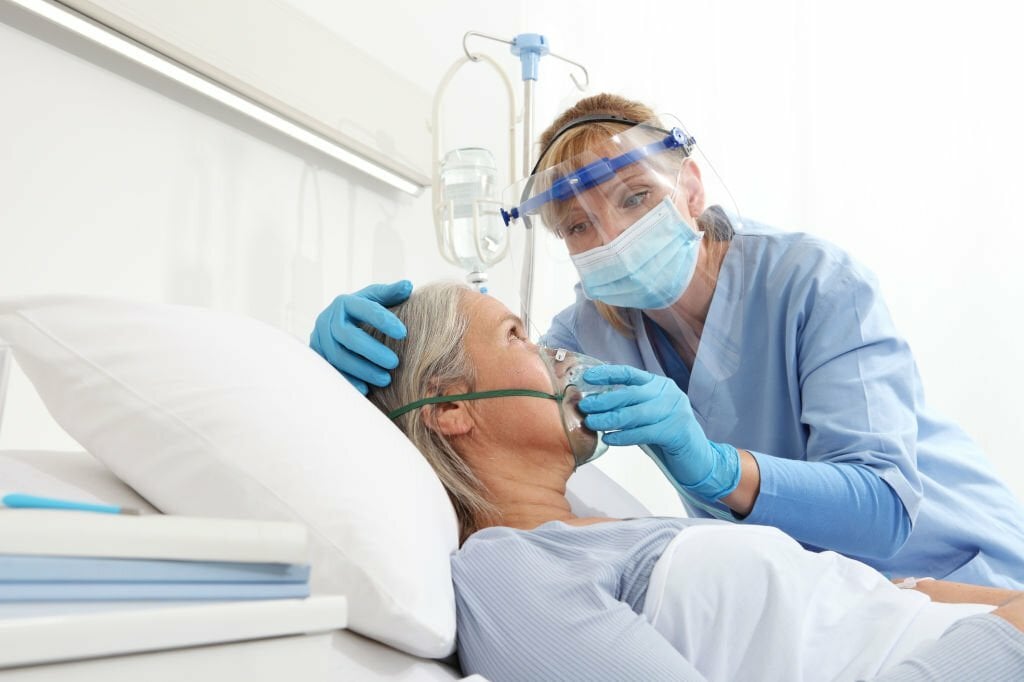
A Respiratory Therapist is a specialized healthcare practitioner who has graduated from a university and passed a national board certifying examination. They work under the medical direction of doctors to provide therapeutic and life-support services to patients with heart and lung diseases.
Training Requirements
Respiratory Therapist training programs usually take at least two years to complete, and graduates earn an associate degree. Some programs offer a bachelors or masters degree. Most programs are conducted by colleges and universities, medical schools, vocational-technical institutes, and the Armed Forces.
The courses in the program should include human anatomy and physiology, chemistry, physics, microbiology, pharmacology, and mathematics. Other courses may deal with patient assessment, clinical decision making, patient management, patient education, and medical recordkeeping and reimbursement.
What to Look for a Class
When looking for a class, there are a few things to consider:
-
Accreditation: Is the program you are considering accredited? Accreditation ensures that the program meets certain academic and professional standards.
-
Curriculum: Does the curriculum cover all the necessary areas? This should include both theoretical knowledge and practical skills.
-
Faculty: What is the background of the faculty? They should be experienced professionals in the field.
-
Class Size: What is the student-to-teacher ratio? Smaller classes often provide a more personalized learning experience.
-
Hands-On Training: Does the program offer hands-on training? This is crucial for gaining practical experience.
What to Expect from the Day-to-Day Class
Day-to-day classes for a Respiratory Therapist typically involve a mix of classroom learning and hands-on training. You can expect to spend time learning about the theoretical aspects of respiratory care, as well as practicing skills in a lab setting.
What Does the Certification Process Look Like?
The certification process for becoming a Respiratory Therapist involves passing a national exam administered by the National Board for Respiratory Care. After passing this exam, you will be a Certified Respiratory Therapist.
How to Find a Related Job
After becoming a Certified Respiratory Therapist, you can start looking for jobs. Hospitals, nursing homes, and other healthcare facilities often hire Respiratory Therapists. You can also check out job boards online or network with other professionals in the field.
What Other Classes Can Someone Take After Becoming a Respiratory Therapist
After becoming a Respiratory Therapist, there are other classes you can take to further your education and skills. These include:
-
Advanced Cardiac Life Support
-
Pediatric Advanced Life Support
-
Neonatal Resuscitation Program
Why Choose Rochester, NY for Respiratory Therapist Classes?
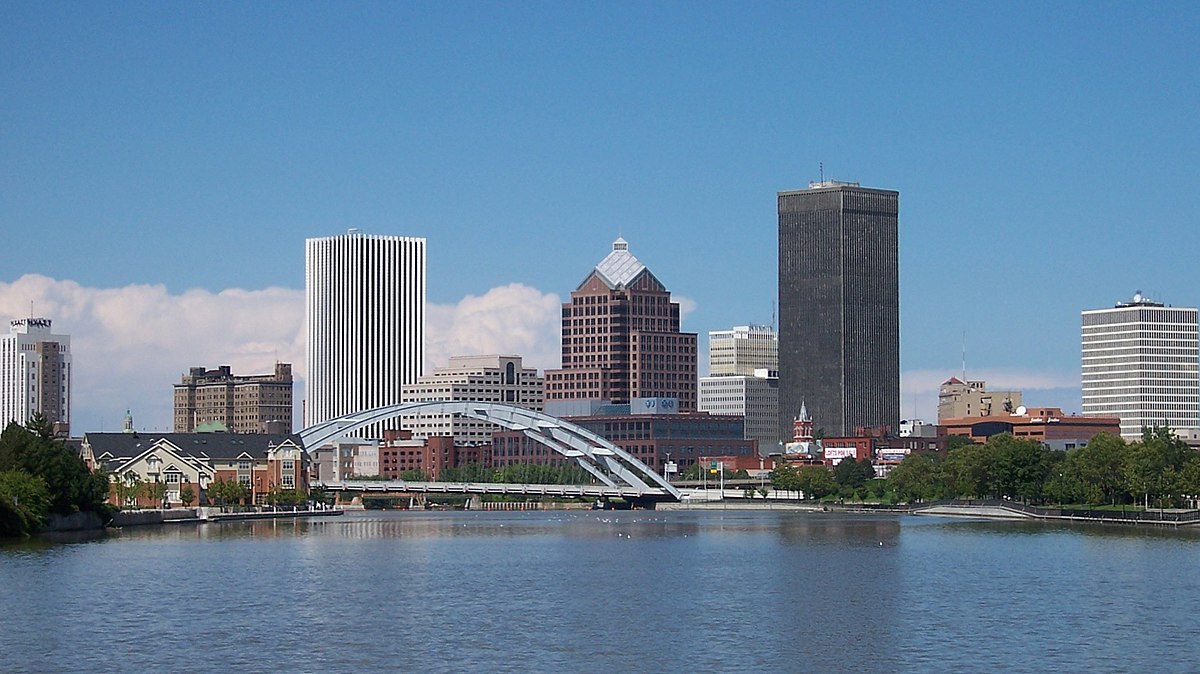
Rochester, NY offers many opportunities for those interested in pursuing a career as a Respiratory Therapist. The city boasts numerous well-regarded medical facilities and educational institutions, making it an excellent place to study and work in this field.
The Role of Online Classes in Becoming a Respiratory Therapist
Many institutions now offer online classes for Respiratory Therapist programs. These programs provide flexibility, allowing you to balance your studies with your personal and professional life.
Understanding the Scope of Practice for Respiratory Therapists
The scope of practice for Respiratory Therapists is quite broad. They work with patients of all ages, from premature infants to elderly adults, and treat a wide range of conditions, from asthma to chronic obstructive pulmonary disease.
The Importance of Continuing Education for Respiratory Therapists
Continuing education is important for Respiratory Therapists to stay up-to-date with the latest advancements and best practices in the field. Many states require Respiratory Therapists to complete a certain number of continuing education hours each year to maintain their license.
Final Thoughts
Becoming a Respiratory Therapist can be a rewarding career choice. With the right training and certification, you can make a real difference in the lives of patients who are struggling with respiratory conditions. Remember to consider all the factors when choosing a class and keep in mind the importance of continuing education in this field.
For those looking to get started in this field, Dreambound's array of city-specific guides can be a valuable resource. And if you're in a different area or mulling over a move, don't miss out on our other helpful guides.
- How to Become a Respiratory Therapist in Colorado
- How to Become a Respiratory Therapist in Indiana
- How to Become a Respiratory Therapist in Missouri
- How to Become a Respiratory Therapist in Oregon
- How to Become a Respiratory Therapist in Vermont
Contemplating a transition in your career or exploring various professional paths? Dreambound has written comprehensive guides on nearly every type of program to aid you in your decision.