
About
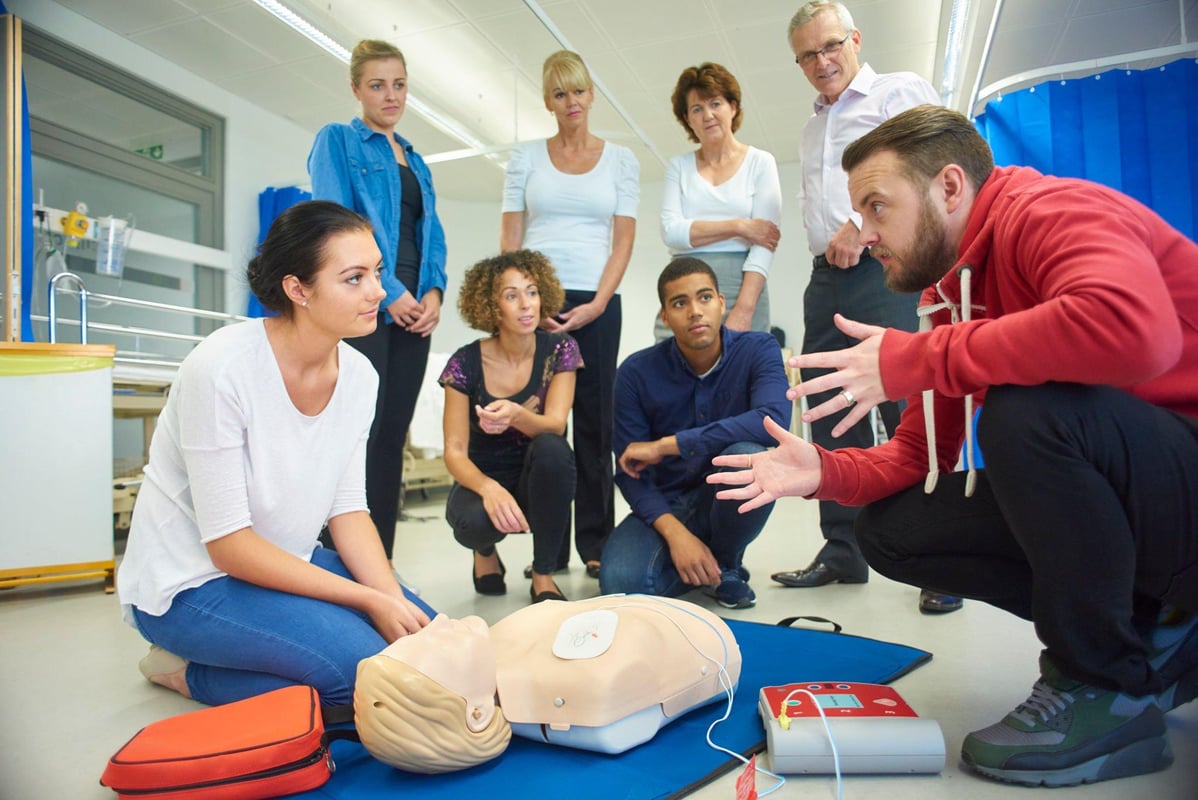
Niagara County Community College (NCCC) offers an exceptional First Aid certification program that stands out for its strong emphasis on practical, hands-on learning, recognizing the significance of real-world healthcare experience. This comprehensive program provides students with a thorough understanding of life-saving techniques crucial for responding to emergency situations. Despite its rigor, NCCC ensures students have access to extensive resources and highly educated, experienced instructors. The curriculum covers various aspects of first aid, from CPR techniques to wound management, thoroughly preparing students to confidently and effectively handle emergencies. The certification not only validates their proficiency in First Aid but also enhances their employment prospects in the healthcare field. NCCC's commitment to student success is evident through its state-of-the-art facilities and constantly updated curriculum, ensuring graduates are well-prepared to meet the evolving standards of the healthcare industry. The program's complexity is balanced by dedicated guidance, fostering an encouraging learning environment where students can excel. Overall, NCCC's First Aid program exemplifies the college's dedication to healthcare education and workforce development.
Organization
Niagara County Community College
SUNY Niagara is a college in Sanborn, New York, with more than 50 degree and certificate programs. The institution trains people for nursing, medical assisting, business administration, Commercial Driver’s License Class A (CDL-A), Emergency Medical Technician, and phlebotomy careers. Its academic offerings include associate degrees, certificates, and workforce-oriented training. SUNY Niagara also operates the Niagara Falls Culinary Institute, a division focused on culinary, baking, and hospitality programs at a separate location. The institution presents education as a path to academic and career success and serves prospective, adult, veteran, and community learners through distinct support areas. Its broader programming includes academic, professional, and continuing-education options, with workforce development available alongside traditional college study.