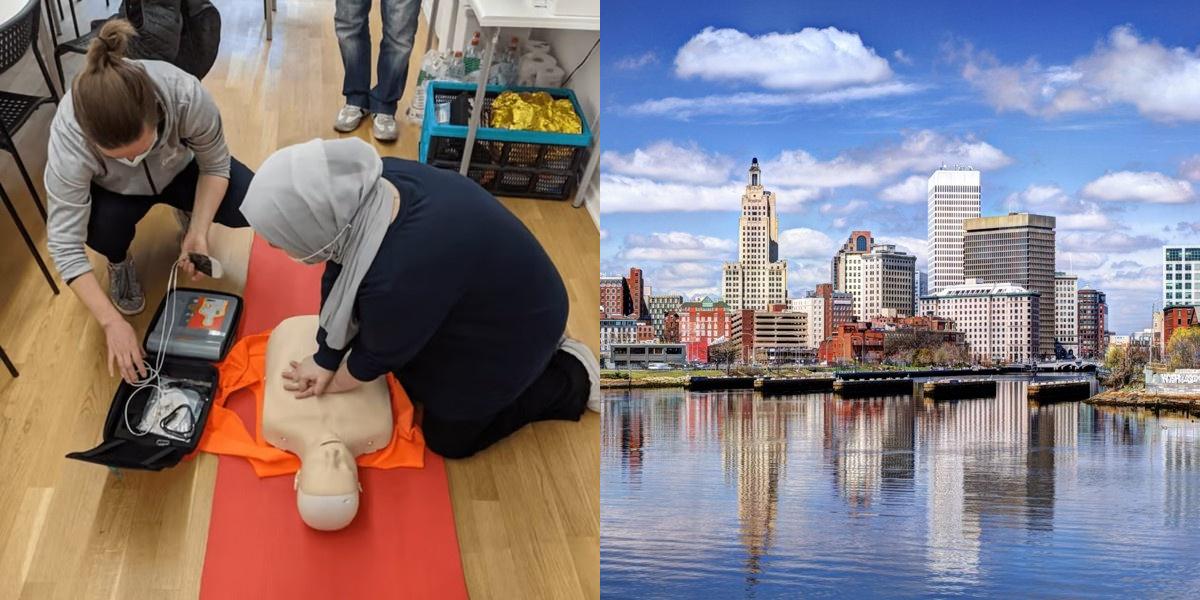
What is a Paramedic?
A paramedic is a highly skilled medical professional who provides emergency medical care to individuals in need. They are often the first responders in emergency situations and are trained to stabilize patients and provide necessary medical treatment until they can be transported to a hospital.
Some of the responsibilities of a paramedic include:
- Assessing the patient's condition and determining the appropriate course of action
- Administering medications and performing advanced medical procedures
- Monitoring vital signs and maintaining patient records
- Communicating with other healthcare professionals to ensure continuity of care
Where does a Paramedic work?
Paramedics can work in a variety of settings, including:
- Ambulance Services: Many paramedics work for ambulance services, responding to emergency calls and providing on-site medical care.
- Hospitals: Some paramedics work in hospital emergency departments, assisting with the care of critically ill or injured patients.
- Fire Departments: In some areas, paramedics are employed by fire departments and work alongside firefighters to provide medical assistance during emergencies.
- Specialized Units: Paramedics may also work in specialized units such as search and rescue teams, SWAT teams, or disaster response teams.
How to Become a Paramedic in Rhode Island?
To become a Paramedic in Rhode Island, individuals must complete an accredited education program (1-2 years), earn an associate's degree or certificate, pass the NREMT exam, and then seek employment as a certified Paramedic.
What are the requirements to become a Paramedic in Rhode Island?
To become a paramedic in Rhode Island, there are both educational and legal requirements that must be met. These include:
- Education: In Rhode Island, aspiring paramedics must complete an accredited paramedic training program. These programs typically consist of classroom instruction, clinical rotations, and field internships. The curriculum covers topics such as anatomy, physiology, pharmacology, and advanced life support.
- Certification: After completing an accredited training program, paramedics must pass the National Registry of Emergency Medical Technicians (NREMT) exam to become certified. This certification is required for licensure in Rhode Island.
- Licensure: In addition to national certification, paramedics in Rhode Island must obtain a state license from the Rhode Island Department of Health. This involves submitting an application, providing proof of certification, and paying the required fees.
Exploring a Career in Paramedic Outside Rhode Island
For those inspired to become a Paramedic but living in a different state, achieving your ambition is still very much a possibility. You could explore becoming a Paramedic in California, Kansas, Mississippi, Tennessee, or Wyoming. And if you're not near any of these, Dreambound is here to assist by offering an easy way to find and compare CPR-BLS classes by entering your zip code. With the right mindset and resources like Dreambound, starting a career in healthcare is possible from any place.
How do I get my Paramedic certification?
If you have a passion for helping others and thrive in high-pressure situations, a career as a paramedic may be the perfect fit for you. As a paramedic, you will play a crucial role in providing emergency medical care to those in need. However, before you can begin your career as a paramedic, you must first obtain your paramedic certification. In this blog post, we will outline the steps you need to take to get your paramedic certification in Rhode Island.
1. Meet the requirements: To enroll in a paramedic certification program in Rhode Island, you must be at least 18 years old, have a high school diploma or GED, and hold a current certification as an EMT-Basic or have completed an EMT-Basic course.
2. Complete a paramedic certification program: Enroll in a paramedic certification program offered by community colleges, vocational schools, or universities, such as the Community College of Rhode Island or the University of Rhode Island. These programs typically last 1-2 years and include both classroom instruction and hands-on training.
3. Gain practical experience: As part of your certification program, you will need to complete clinical and field internship hours. These internships allow you to work under the supervision of experienced paramedics and gain valuable hands-on experience in real-life emergency situations.
4. Pass the NREMT exam: After completing your program and gaining practical experience, you must pass the National Registry of Emergency Medical Technicians (NREMT) exam. This standardized test includes both written and practical components to assess your knowledge and competency as a paramedic.
5. Apply for state certification: Once you pass the NREMT exam, apply for state certification through the Rhode Island Department of Health, Emergency Medical Services Division. Submit your application along with the required documentation and fees to obtain your paramedic certification in Rhode Island.
How do I get a job as a Paramedic?
Once you have obtained your paramedic certification, you are ready to start your career as a paramedic. Here are some steps you can take to increase your chances of getting a job as a paramedic:
1. Prepare your resume: Start by highlighting your education, certification, and relevant work experience or internships. Include any specialized skills or training you have, such as advanced cardiac life support (ACLS) or pediatric advanced life support (PALS) certifications.
2. Network within the field: Networking is essential in the paramedic field. Reach out to local paramedic organizations, attend job fairs, and connect with paramedics in your area. Building relationships with professionals can lead to job opportunities and valuable advice.
3. Apply for jobs: Look for job postings on job boards, local hospitals' websites, ambulance services, and professional paramedic organizations. Tailor your resume and cover letter for each job, emphasizing your most relevant skills and experiences.
4. Prepare for interviews: Research the organizations you are applying to and practice common interview questions. Be ready to discuss your training, experience, and how you would handle different emergency situations.
5. Obtain a state license: In Rhode Island, you need a state license to work as a paramedic. Apply for your license through the Rhode Island Department of Health, Emergency Medical Services Division, by submitting the required documentation and fees.
Career Paths and Opportunities after Becoming a Paramedic
Once you have become a certified paramedic, there are several career paths and opportunities available to you. Here are a few options to consider:
- Ambulance Service: Many paramedics start their careers by working for an ambulance service. This can involve responding to emergency calls, transporting patients to hospitals, and providing on-site medical care. Working for an ambulance service can provide valuable experience and allow you to develop your skills as a paramedic.
- Hospital Emergency Department: Another option for paramedics is to work in a hospital emergency department. In this role, you would work alongside doctors and nurses to provide emergency medical care to patients. Working in a hospital setting can provide a different perspective on emergency medicine and allow you to expand your knowledge and skills.
- Flight Paramedic: Flight paramedics are specially trained to provide medical care in air ambulance helicopters or fixed-wing aircraft. This role involves responding to emergency calls in remote or hard-to-reach areas and providing critical care during transport. Becoming a flight paramedic can be a challenging but rewarding career path.
- Specialized Areas: As a paramedic, you may also have the opportunity to work in specialized areas. This could include working as a tactical paramedic with law enforcement or SWAT teams, as a paramedic on a search and rescue team, or as a paramedic in disaster response. These roles often require additional training and certifications but can provide unique and fulfilling experiences.
Frequently Asked Questions